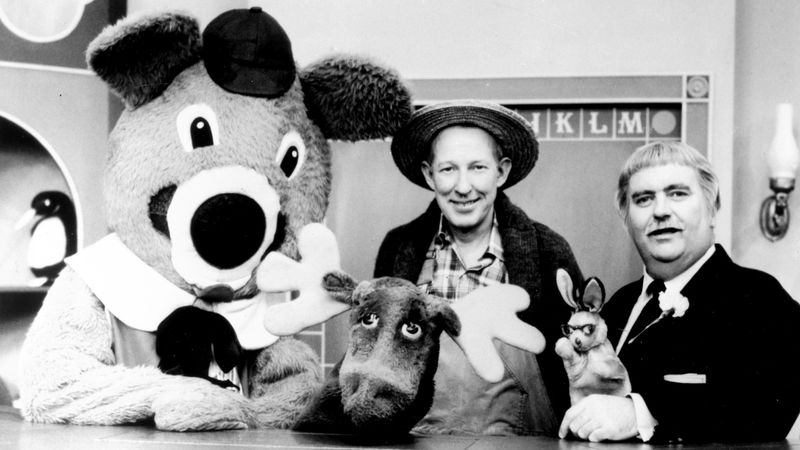
When I think of great morning television as a child, I can’t help but think of “The Captain” and “The Best To You Each Morning…” from Kellogg’s of Battle Creek – Captain Kangaroo’s sponsor for generations. When we think of Kellogg’s, we think of The Captain – and vice versa – which was successful marketing.
It worked.
Captain Kangaroo (actor Bob Keeshan) made us feel safe, wanted, and loved. He was America’s grandfather and most terrific morning friend. He hosted a cast of characters who made us feel the same way. They each taught us about what was important.
Aside from, perhaps, Fred Rogers, there was never a better mentor for kids. Rogers always taught us right from wrong and spoke to us with the innocence of a child.
Children’s television was all about education and morals. It was our conscience. It was all about consequences if you did wrong and kudos when you did right. There was such a sweet innocence in the Treasure House, The Neighborhood, and morning television.
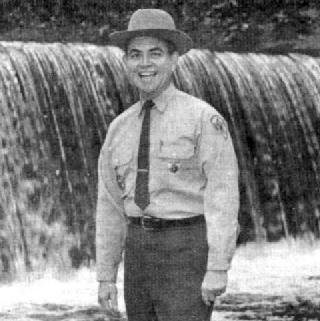
Local television stations had children’s TV personalities. In Washington, D.C., we had Ranger Hal (Hal Shaw) in the mornings with the same kind of message. Ranger Hal was true law and order who made us feel good about it. There was also Captain Tugg (actor and announcer Lee Reynolds) in the afternoons, who hosted the Popeye/Three Stooges show right after school and before dinner. Each of these programs made us laugh and they also taught us something important – doing the right thing. Captain Tugg always told us not to try the antics of the Three Stooges.
These locally-produced television shows were intended for child audiences with unique local hosts and focused themes. Seems most were Metromedia stations (now FOX). This concept was post-war at the dawn of television in the mornings before school. It was so successful from a commercial standpoint that it continued well into the 1970s. Captain Kangaroo survived well into the 1980s until even PBS cut this show from its schedule.
Children’s television was all but dead.
These shows were typically Western themed, which were very popular at the time; captains, skippers, commodores (viewer fascination with maritime); jungle explorers, astronauts (the space race), clowns (Bozo), sheriff/deputy/trooper and cops (Mr. Policeman is our friend…), hobos and tramps, railroad engineers, magicians, and more. They hosted popular children’s cartoons and stories.
What these shows did for boomers as children was programming we could relate to. These hosts made us laugh. They would stage pratfalls, things all of us did. Falling over a table or walking into a wall. They would stumble over their words and get into word play. It was all so very entertaining to where we felt like we knew the host and cast of characters personally. When the bad guys stormed onto the set, we were rooting for our heroes.
The reality of children’s television was opportunity – millions of baby boomers born from 1946-64. Millions of kids who wanted breakfast cereals with the toy surprise inside, toy commercials (especially at Christmastime), theme parks (The Wonderful World of Disney), candies and cookies and delicious cakes, and more. It was all about the generous profits that went with children who would hound the parents for whatever was being promoted on television.
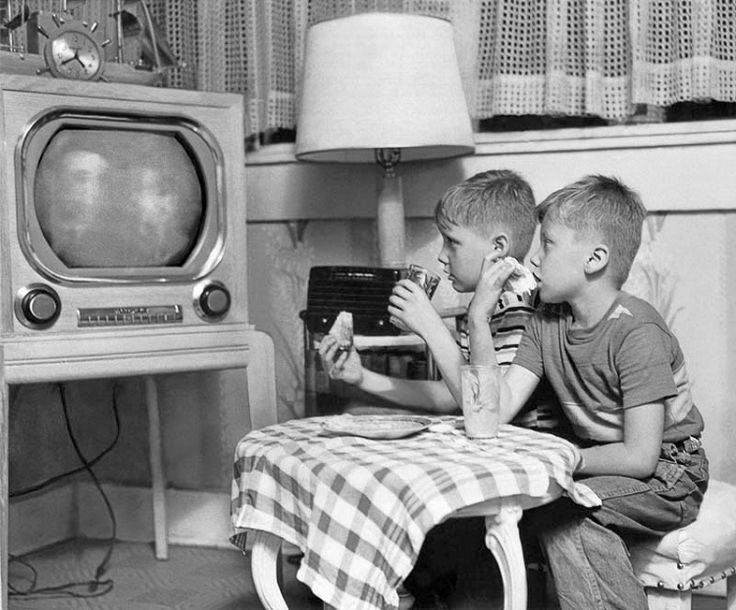
At age four, I wanted REMCO’s Whirlybird helicopter and I wanted it bad. My parent’s searched high and low for this fabulous toy and could never find it. Christmas Morning, I couldn’t understand why Santa didn’t bring what I’d asked for. I got a Lionel train set mounted on a plywood board instead. Not bad considering what was available at the time. My desire for the Whirlybird came from what I saw on television.
Mission accomplished for Madison Avenue and Wall Street. Boomer babies kept the economy rolling thanks to children’s television. Yet, we always knew where The Captain’s heart was.
 Boomer Journey...