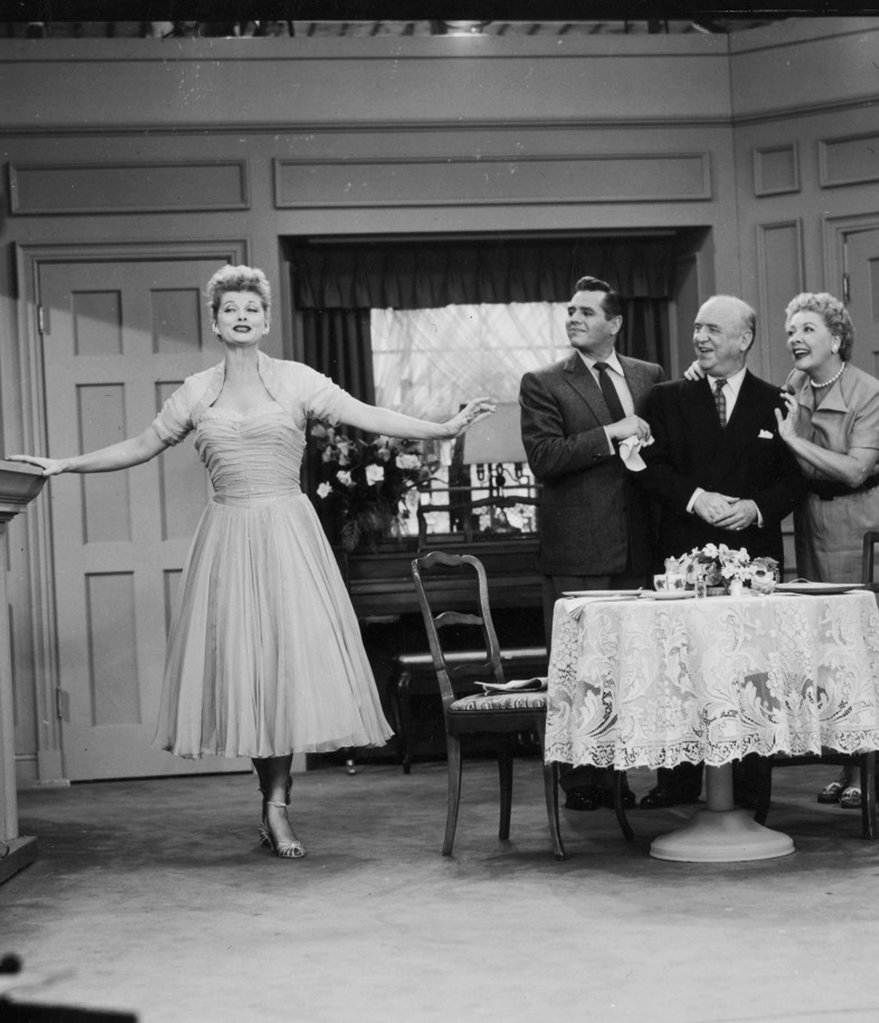
Talk about a belly laugh? These classic sitcoms were timeless in their execution and have endured for generations. The question is – will the masses be laughing 50 years from now? I just completed a streaming marathon of “I Love Lucy” – 180 30-minute episodes from 1951-57.
Who could resist and it would be perfect for a rainy afternoon?
Maybe it’s the era in which we grew up, but I consider “I Love Lucy” a great comedy, with the quintessential chemistry of great actors, writers, and direction. We’re still laughing 74 years later. Yet, my 16-year-old son doesn’t see the humor in it. He walks into the family room, glances at the flat screen, and heads upstairs to his gaming. No use for the old sitcoms. Ironically, my late grandfather, born in 1894, didn’t see the humor in “I Love Lucy” either. He refused to watch it.
“I Love Lucy” was the most-watched television show in four of its six seasons – an enviable record for any television sitcom. Moreover, it was the first show to end its run in 1957 at the top of the Nielson ratings. It would endure for generations – syndicated in dozens of languages worldwide and remains popular in the United States with an audience of 40 million annually.
We still love Lucy.
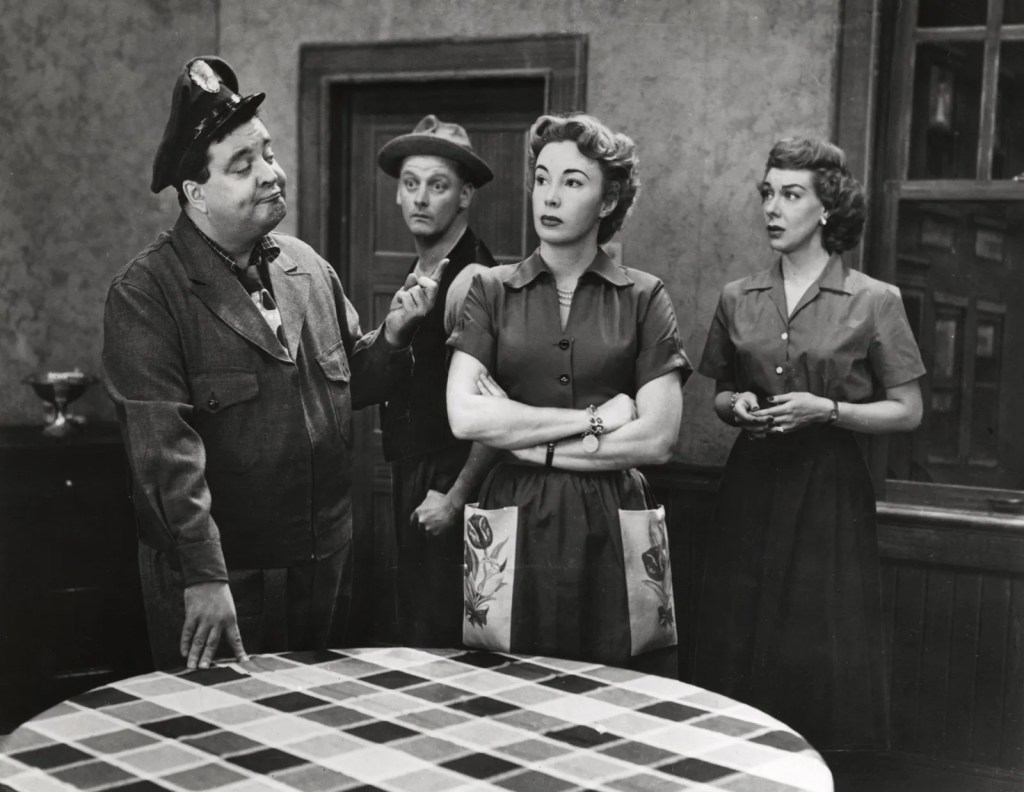
“The Honeymooners” was another example of comic genius – just 39 episodes – that we cannot get enough of. Jackie Gleason was an actor/comedian/composer who could do anything. When I was single-digit age, I couldn’t get enough of “The Jackie Gleason Show” every Saturday night on CBS in the 1960s. We’d rally around a black and white Philco console, watch, and laugh hysterically. Gleason and his many and varied characters kept us entertained.
Aside from the obvious entertainment value of these classic sitcoms, I believe baby boomers long for a simpler, kinder time that goes with these comedies. We fondly remember a time before our innocence and common decency were lost. Ironically, the times weren’t so simple or easy even in the best of times. The Korean War raged a world away when Lucy debuted. The anti-communist McCarthy hearings that ruined lives were in full swing. Lucy and Desi were trying to hang onto what was left of their marriage off-camera. America was headed into some of the most turbulent years in memory – the assassination of an American president and later his brother Bobby. Dr. Martin Luther King was shot to death that same year – 1968. The anti-war riots. Troubled times.
The classic television we’re so taken with was pure fantasy produced on sound stages and studio backlots. It was make-believe – an escape from reality and never a sampling of what society was at the time. Beyond the fantasy of backlots and sound stages were racial issues and prejudice, the haves and the have-nots, the draft, the Cold War, and a whole lot of other sociological issues that kept society on edge. Like the here and now – a lot of uncertainty.
What these classic sitcoms did do for us was give us a nice escape from our problems. Turn off the news, pull down the blinds, dim the lights, and take a mental vacation via great comedy.
 Boomer Journey...
I’m with you on the Lucy, will pass on Honeymooners. Here’s one – the tongue in cheek of the Beverly Hillbillies was so popular during its run the numbers prompted an investigation by the FBI. Anything that popular had to be subversive. Government mentality at work for you. Fortunately the really bad stuff is getting more difficult to find. There’s a reason why someone said “Man, I dunno what the dentist gave me, but I was so bricked I watched Gomer Pyle and thought I was having fun.” The TV tropes are all similar – Star Trek was Bonanza in space. What was stellar about Lucy and the real greats, including Skelton and Carol Burnett was the talent. Aaaaaaaaaand ACTION! No Net. Great stuff.
LikeLike