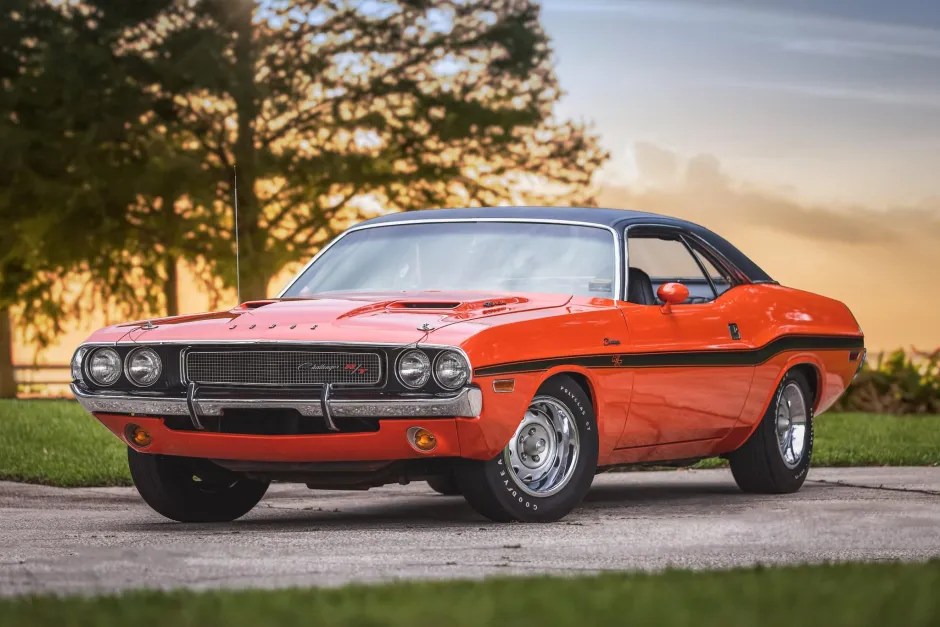
Some 60 years ago when we sang “Get Your Motor Running…” and revved our engines with the roar of V-8 muscle, along with our endless search for adventure, there was the all-American muscle car.
If you remember high school and all that muscle in the parking lot (along with the vice principal), you remember the roar of V-8 power, rubber burning, the bang-shift of a T-10 four-speed, and the art of getting sideways.
I suppose muscle is a matter of perception.
Back in the day, muscle cars maxed out around 350-400 horsepower and were rather crude and void of options. They were generally ordered without air conditioning and nearly always fitted with a four-speed transmission.
Automatics were for wimps.
In more recent times, the 800-horse Dodge Hellcat Challenger, Shelby Mustang, and ZL1 Camaro have passed up these timeless classics in terms of raw power and creature comforts. There has never been a better (or faster) factory muscle car in American automotive history. You drive off the dealer lot and get insane horsepower numbers with air conditioning, full spectrum sound, cruise control, sound deadening, ass-hugging high-back bucket seats, air bags, crush zones and side-impact protection, GPS, back-up camera, electronic engine control, traction control, and monster-sized four-wheel power disc brakes, competition suspension, and high insurance rates to have the most fun you can have with your pants on.
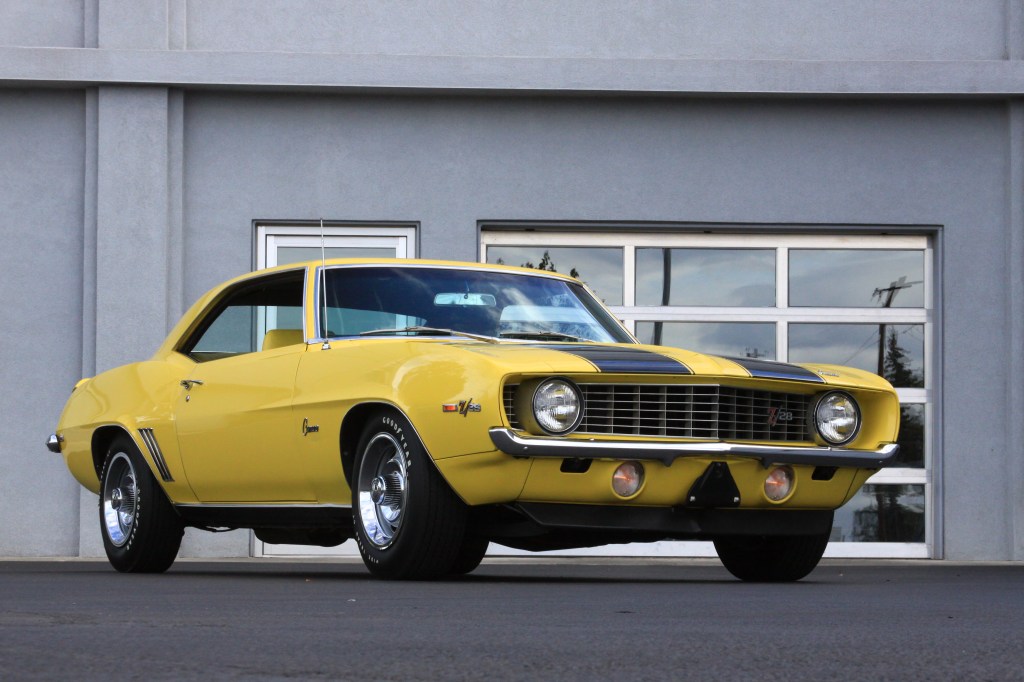
What today’s muscle cars lack is the styling we had at the cusp of the 1970s. Few muscle cars were sexier than the Dodge Challenger and Plymouth ‘Cuda for 1970-74. The ’69 Camaro in all its forms was an exciting game-changer.
I am a Ford guy, but I will take a 1968-70 AMC AMX two-seater any day. A raw sex pocket rocket from Kenosha, Wisconsin with two seats and endless style. Ford Mustang Sportroof for 1969-70 was a showstopper – especially with the Mach 1 or BOSS 302 package. And Chevelle SS from 1965-72? Equip these Heavy Chevys with a 396 or 454 and you could rock the earth.
Pontiac’s awe-inspiring GTO started the whole muscle car craze as an obscure LeMans option in 1964 to keep it below the corporate radar. When GM’s upper management looked at the sales numbers, they loved and accepted the GTO for 1965 when GTO became a visible option. It didn’t get any better than the ’65 GTO.
Detroit knew how to get the attention of young people – baby boomers – in the mid-1960s. Chrysler (Plymouth and Dodge) knew how to build fast cars and was the one to beat as the 1960s unfolded. Those Max Wedge Plymouths and Super Stock Dodges spanked the competition in drag racing and stock car competition. No one could beat them until Ford rolled out the very limited production ” Thunderbolt” Fairlane sedan in 1964 to replace the lightweight Galaxies.
Chevrolet quietly infused the 427ci “Mystery Motor” into NASCAR competition before introducing it to the public in 1965 as the 396 big block. The big-block Chevy became an industry standard for power for decades to come. In fact, Chevrolet continues to sell small- and big-block Chevy engines and parts for enthusiasts still high on the muscle car madness of the 1960s.
 Boomer Journey...