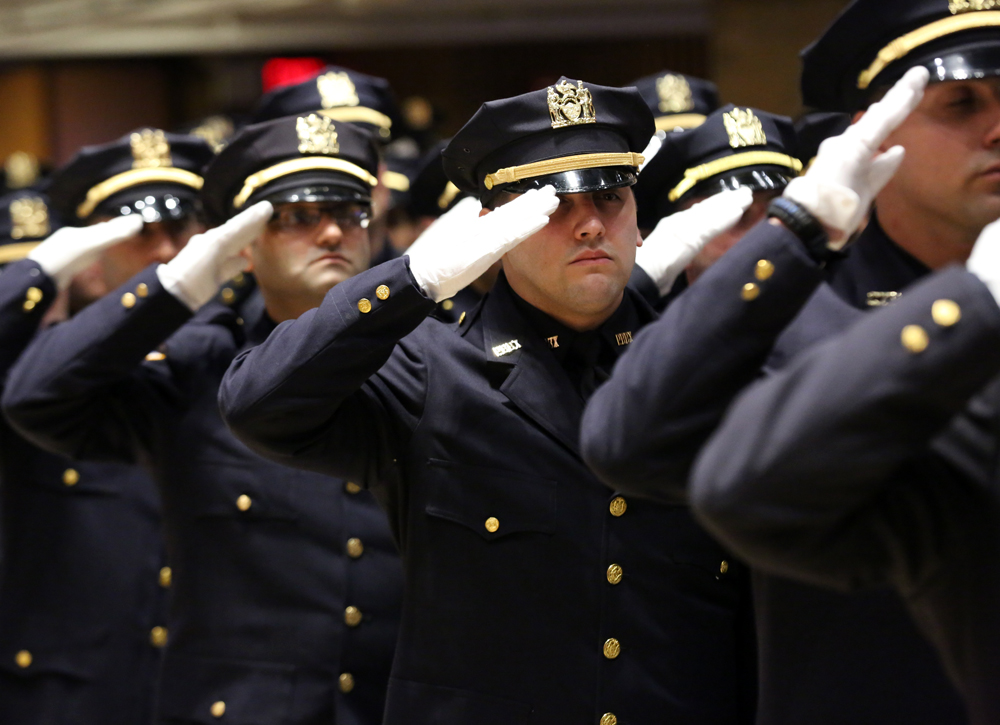
Courtesy NYPD
There has been a lot of chatter in recent times about “Law and Order,” but darned if I see where we are practicing it to any degree. Morale in the nation’s law enforcement has never been lower and do you know why? Because law enforcement isn’t society’s priority anymore. Defund the police. Demonizing the Police in the media. Never painting a good picture of law enforcement when there is so much good going on among the ranks. Is this how we treat those who protect us?
Well, what about that?
Do you remember when we were being taught the importance of obeying the rules in school? “Single File, Children, Single File…” and keeping your mouth shut in class – not that I ever practiced that. I spent a lot of time in the hallway. Being taught the rules and the enforcement of rules as children was all about preparing us to be responsible civilized adults who would obey the law.
In elementary school, we were introduced to “Officer Bob” the Policeman. We were taught to understand what Officer Bob did and why it was important to do exactly what he told us to do. What we didn’t know as children was just how dangerous Officer Bob’s job was.
Life has become decidedly more dangerous for law enforcement in recent times. Seems few even care. The Police have been getting a bad rap from the media and from society. It has become so bad citizens have become emboldened enough to argue with and even threaten police officers. Officers are being ambushed and murdered gang style even in rural areas.
Why would anyone want to be a cop?
Those enlisted to protect us are getting killed in never-before-seen numbers. I will never condone police brutality – however, I am all for old school police work. What does that mean? It means obey the orders of a police officer or suffer immediate consequences – and we all know what those consequences are. If you don’t obey the orders of a police officer, prepare to be arrested and sit in a jail cell. The streets were safer when there was some level of fear of the Police known as respect. We understood the importance of doing exactly as instructed. We still should.
Law enforcement commands our respect because it has certainly earned it. Why? Because these brave and committed men and women put their lives on the line 24/7/365 for all of us. They’re at the ready around the clock – there every day to maintain order in the community. Order is what keeps the community safe. Got that?
Consider what this means for you.
It means you can call the police at 3 a.m. when you’re in trouble and be able to depend on immediate help. Where I live in Southern California is protected only by the Los Angeles County Sheriff’s Department, they’re so understaffed to where you’re not even sure the police are coming in an emergency. Consider what that means in a home invasion robbery. You want to know the police will be on the block in a matter of minutes when you call.
I will always stand with the Police because they see the very worst of society and come face-to-face with the absolute worst human beings on Earth. The get badly injured, beaten severely, and lose their lives while keeping us safe. Nothing else to think about there.
They show up.
They stand the watch.
Every time a law enforcement officer dies in the line of duty, a lot of us die with them.
We must always stand shoulder-to-shoulder with them.
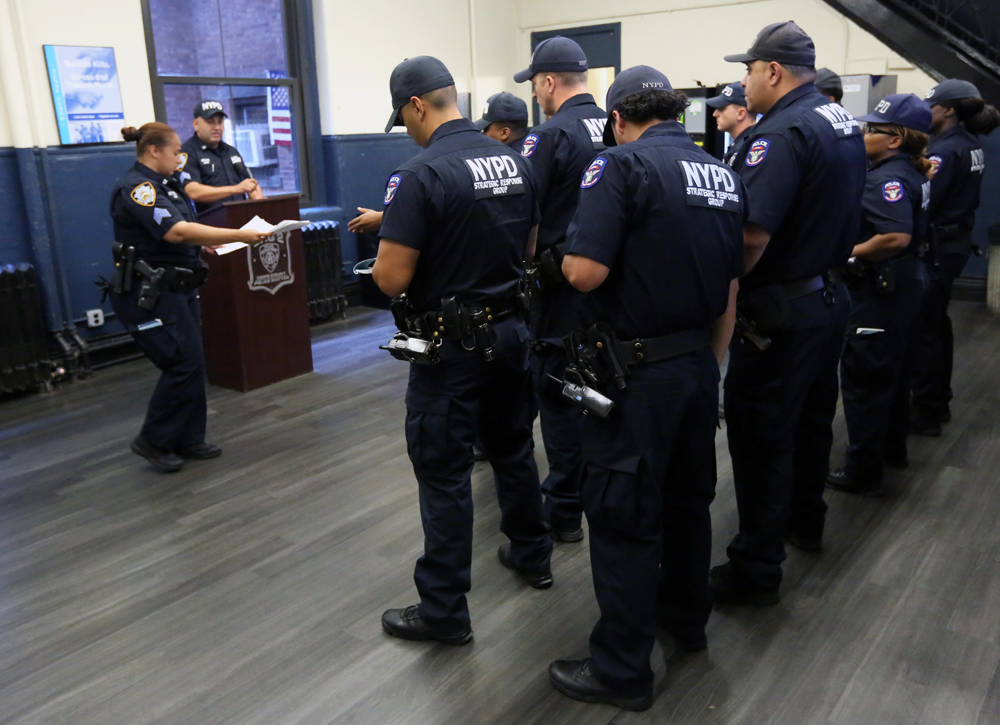
Courtesy NYPD
It is not difficult to stand with the Police. Whenever I see a cop, be it through car windows or passing them on the sidewalk, I always render kind words and a smile. They need it. Years back, I was in the Carpool Lane on the freeway during Carpool hours. Wasn’t paying attention to the time. The CHP pulled me over and said, “Solo in the Carpool Lane…” and he kept repeating himself expecting an argument from me. I explained that I understood and accepted the consequences.
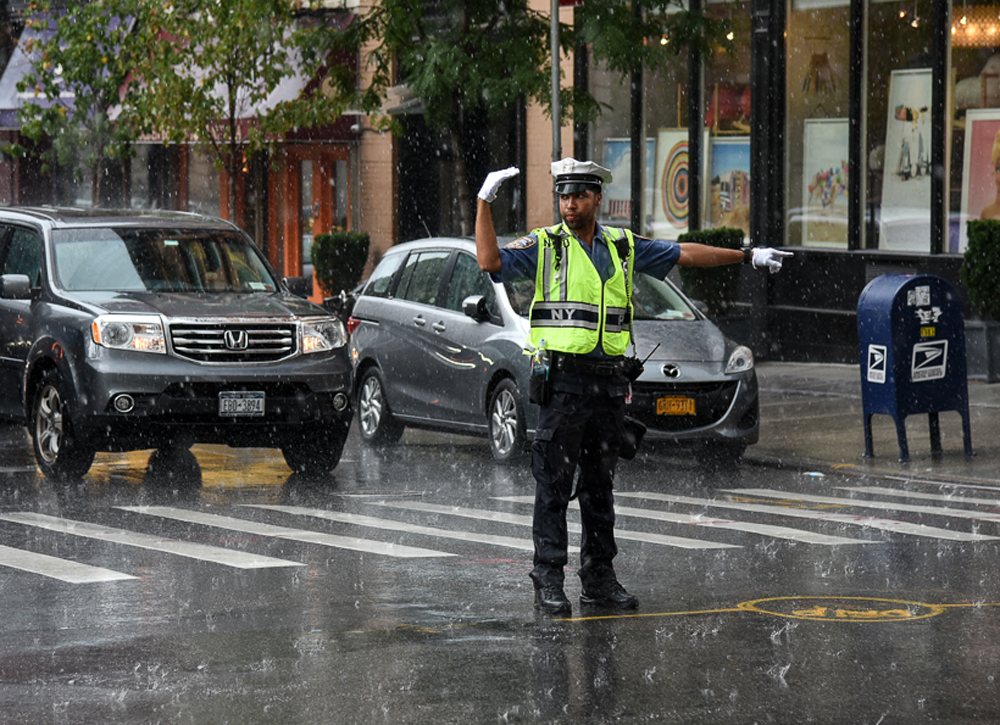
Courtesy NYPD
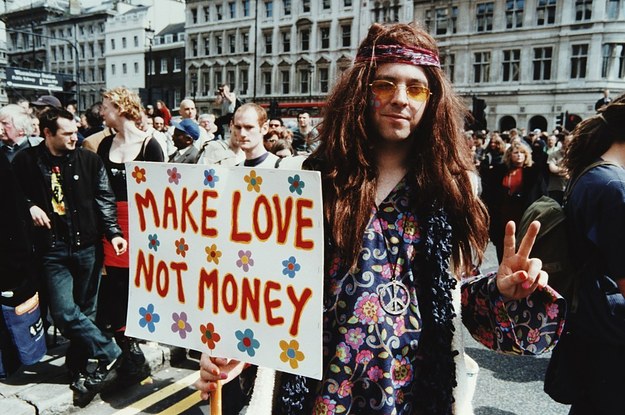









 Boomer Journey...