Void of Electronics, We Had Our Imaginations

I tend to obsess over our “obsession” with electronics as 2024 unfolds, but it is surely true we have a problem with our love affair with electronics in the new year. We just can’t put down our cell phones, tablets, and personal computers. 

I speak from experience as I sit at a PC writing this missive. 

I am obsessed too. 

Because I am a writer, I spend a lot of time at a personal computer hammering out words that hopefully mean something. There are also plenty of hours spent in Facebook, eBay, Amazon, YouTube (a personal favorite) and streaming networks. 

I treasure the vintage footage I find in YouTube. 

Though endlessly entertaining, this is not healthy. When you’re staring at a cell phone, laptop, tablet, or PC, you are missing out on life. You are missing the dance. In routine conversation, we ask what on Earth did we do before cell phones and computers? What kept us preoccupied?  

We used our imaginations. 

That’s how we escaped. We pretended. I’d fly model airplanes around my bedroom and pretend to be a passenger or pilot flying to a destination. I’d lay out a city on a plywood board and drive Matchbox diecast cars around them. I loved playing with LEGOs. I built balsa wood homes on a card table using whatever I could find. I took long journeys in my mind. 

I’d run down to the garage and don my SEARS bicycle clad in red. I added accessories and pretended my bike was a car. Because I loved bowling, I wanted to build a bowling alley. I wanted a huge-long basement with enough room to build a pair of bowling lanes complete with automatic pinsetters.
I could not wait to grow up and buy my own home because I loved architecture. I loved home improvement. I dreamed of buying an old home and renovating it into the home of my dreams – my imagination. I fantasized about hitting the open road in my first car and going wherever the pavement took me. 

What seems to have been lost in recent decades has been fresh ideas as a result of not using our imaginations. A lot of what Hollywood seems to be bringing us these days are redo’s of old sitcoms and movies instead of fresh approaches. The same can be said for commercials. They lack to say the least. They lack imagination – inspiration.

We have the creative tools necessary to create incredible images and storylines. We just aren’t using our imaginations. Think of television of the 1950s and sixties where imagination ran amuck. ”Mister Ed,” “I Dream of Jeanie,” “Bewitched,” “Time Tunnel,” “Lost In Space,” “Star Trek,” “I Love Lucy,” “Dick Van Dyke,” “Andy Griffth,” and a host of others. 

Each of these time proven creations have endured the times – so loved by the masses across the generations. My teenage son, born in 2008, will sit there and laugh with us taking in an episode of “The Flintstones” or “Andy Griffith.” It was all about raw productive imagination that came of just doing nothing. It worked.

Have you just sat and used your imagination lately? 
        

Driver’s Ed and the Desperate Need for Responsible Motorists

I’ve been a licensed driver for 52 years. That I have survived as a licensed driver boils down to what I was taught in Driver’s Education and what I’ve learned from on-the-road experience since. You learn what works and…what doesn’t. In the summer of 1972, I was 16 and spent the entire summer in Driver’s Ed. What I was taught that summer has never left me.

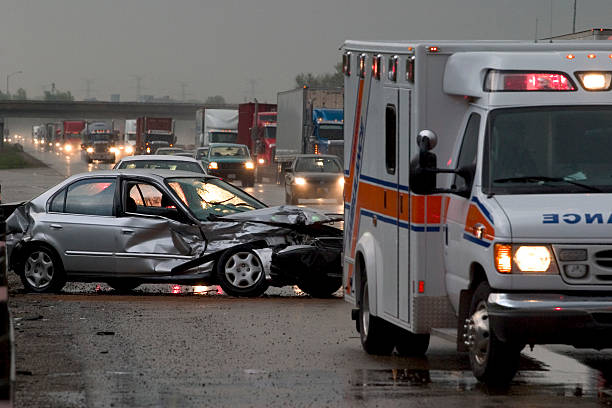
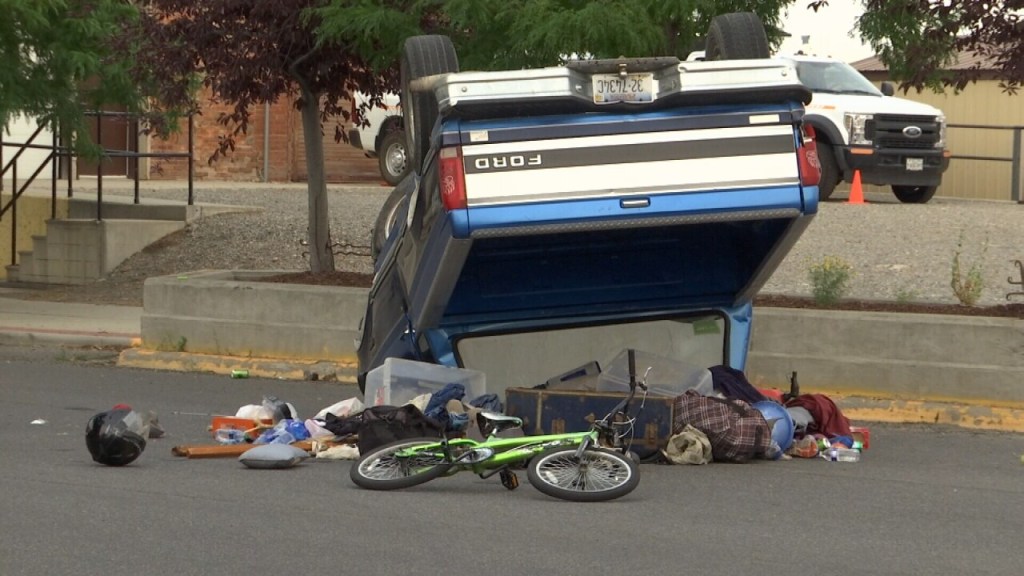
The following spring in 1973, I had my first and only ever chargeable accident. I had just dropped my sister off at junior high school. As I made my way around the median, I learned my first lesson as a licensed driver – look both ways before proceeding. I was hit by a school bus – then – thrust into a huge tree. I heard kids yelling “TIMBER!!!” as the tree hit the ground. I wanted to crawl under a rock and never be seen again. 

To add insult to injury, I ran home two blocks away – leaving the scene of the accident. When my father asked where the car was, I explained and was scolded by him for leaving the scene of an accident. When he and I returned to the accident site, a county police officer was waiting for me to explain to me why you never leave the scene of an accident. It was very humiliating. 

I perceived we’d just pay the fine and would be done. My father wasn’t having any parts of that, which would prove very educational for me. He took time off from work to escort me to traffic court where I would stand before a judge – which at 16 was very intimidating. The judge explained to me the importance of obeying rules of the road and that he better not see me again. 

As I reflect upon that first accident and what I learned from it, I am reminded of just how dangerous the roads are today. Schools here in Los Angeles don’t provide Driver’s Ed. Parents are not punctuating the importance of being a responsible motorist. As much as I hate ragging on young people (we’ve all been young people), they are the most dangerous drivers on the road today. Every time I see some crazy stunt on the freeway or red-light runners, they are committed by young people with zero respect for the rules of the road. 

I’m doing 70-80 mph and I have some young buck sitting 12-inches from my back bumper or some impatient soul flies past me at 120 in a Honda. They believe life is one big video game. Only this is reality – not virtual reality. You come home in a box after “GAME OVER” when your family lays you to rest. You’re not just affecting your own life – but the lives of others.

This is where rigorous driver education and parental discipline comes into play. What’s more, we need greater levels of law enforcement and respect for the police. What are we teaching young people today? Hands off parenting doesn’t work.

My point here is simple. What worked a half century ago can still work today. Intensive driver education, real enforcement of traffic laws, responsible parenting, and consequences for wrongdoing will make the roads safer. When law enforcement is visible – and even when it isn’t – people slow down. When there are no consequences for reckless driving, there’s little incentive to obey the rules. That goes for me and it goes for all of us.

I am grateful for what I was taught by great educators, mentors, and my parents. What they taught me long ago remains with me today. No matter how old you are, ask yourself…”How safe am I at the wheel?” You’re never too old to learn.   


As Yet Another Year Passes, Reflect and Resolve to be Better

As we enter 2024 – sure to be a year of change – it is time to ask ourselves how we can be better. Whether or not we notice, things do get a little better in some ways each day while other things grow worse. This has always been true across time. 

In 2024, we must resolve to be kinder to one another and do more for each other. This would be a good start. When you focus on giving, you begin to feel better about yourself. When you feel better about yourself, you ask more and more what you can do for others.

See how easy that is?

Ever since I could toddle, I’ve always loved the elderly and always will. When I was very little, I lived across the Potomac River from Washington across from Fort Myer. I hung out with retired old folks who donned their webbed lawn chairs and would chat for hours on end as traffic roared by on Route 50 going to and from Washington. They didn’t need cell phones and other electronic devices.

They had each other.

Because I grew up with old people with good old-fashioned values and manners, I learned simple courtesies that seem to have been lost to the ages. I don’t see the level of kindness today that existed at the dawn of the 1960s. My grandparents were always quick to remind me of the words “please” and “thank you.” My grandfather, especially, always corrected the absence of simple manners. You either remembered to practice manners or there were consequences. 

Old school child rearing was quite simple. You either learned or you suffered. Pain teaches. All my grandfather had to do was glare at you across a room and you’d better walk away clean. He never spanked us. All he had to do was focus a disciplined stare. It was called respect for your elders. Although he never hit us, we didn’t want to find out the hard way. We did as we were told.  

This is why I continue to practice courtesies my elders taught me a lifetime ago. I hold the door for those behind me. I will always hold the car door for a lady. I exercise “please” and “thank you” with reckless abandon. When someone says, “Thank You…” I always respond with “You’re welcome…” When someone enters a room or my home, I greet them with a warm welcome. A handshake and a smile communicate who you are in a matter of seconds. 

When I am in line and there’s doubt about who is first, I allow the other party to go first. I find I haven’t lost anything and I am only one person away from the end game. 

No harm putting someone else first.   

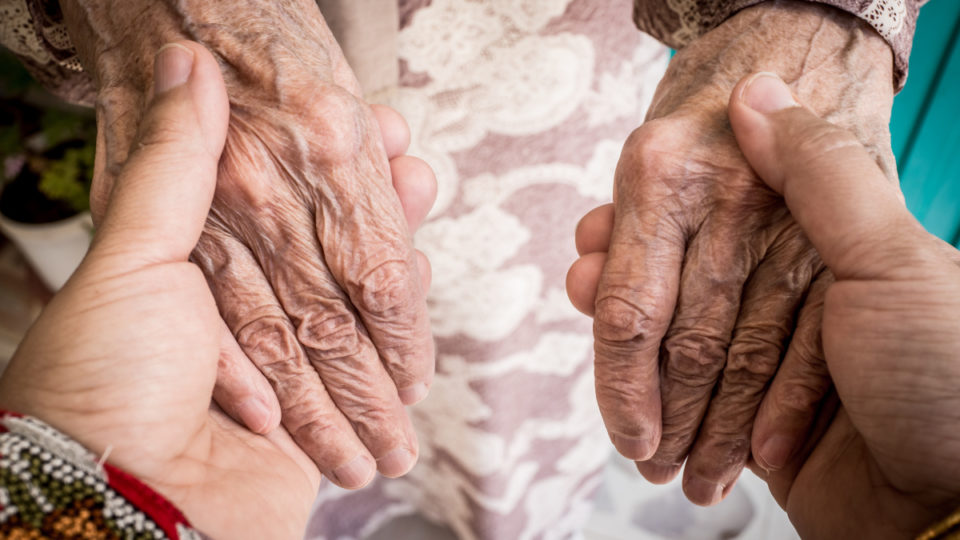
As I near seven decades on this apple, I find I am still very fond of old people. I have become an “old people” with many of the same concerns my elders had a lifetime ago. Much as I did as a child, I remember the vulnerability I witnessed in old people when I was a little kid. I felt such empathy for them as their entered the latter of their lives. They needed help getting by. That emotion has never left me and will always be a part of me. All those old folks I remember from a grassy lawn behind the buildings are gone. However, what they taught me has gone the distance and cannot be measured. 

I remain of them.    

As January becomes part of the past with fluid precision, let us all resolve to do better and ask ourselves how we can practice kindness in our daily routines. Do volunteer work. Deliver meals to the poor and elderly. Check in on an elderly neighbor or transport them to the doctor. It’s easy and won’t take up much time. It will make you feel good all day long.

The Holidays At The Mall

Do you remember the way it used to be on the holidays at the Mall? Festive…it really felt like Christmas. It doesn’t feel that way anymore. Perhaps it is where we are in life. We’re not kids anymore with the innocence of a child. That was the real beauty of being a kid. We really didn’t know the world was going around. 

When I was a kid growing up in suburban Washington/Baltimore, I had my favorite haunts. I suppose you did too. We had Parole Plaza ten miles to the East in Annapolis just off U.S. Route 50 known as the John Hanson Highway. Some called this stretch of pavement the Washington-Annapolis Expressway. We’d get off 50 and cruise along West Street to Parole Plaza. 

Parole Plaza wasn’t a shopping mall, but instead an old-fashioned shopping center with an open-air mall. It was cold with the crisp holiday aroma of woodsmoke in the air and a chilly breeze across our faces. We didn’t care it was raining or snowing. Our cheeks shown a bright red from the cold. It felt good to walk in from the cold into the warmth of SEARS at the holidays.

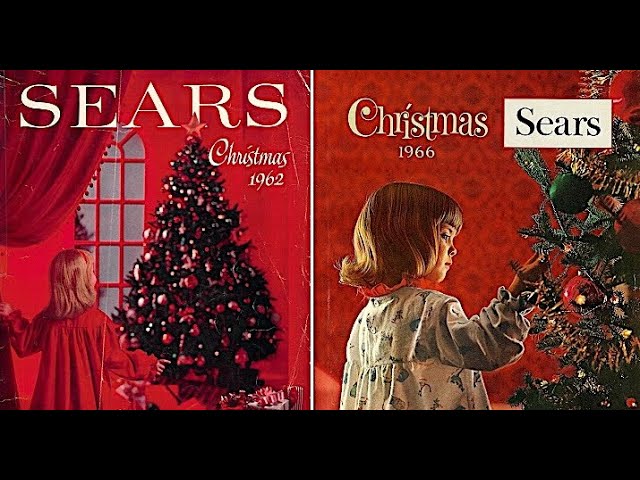
SEARS was my most favorite place in the whole world. It remains my greatest Christmas memory. You’d enter the store and be greeted with the smell of popcorn and the euphoric demeanor of holiday lights, Christmas trees all aglow, Burl Ives on a SEARS Silvertone stereo console display model with an LP on the turntable, the huge rush of the toy department, and a host of other Christmastime nuances that remind us of our Christmas past.

Department stores were the places dreams were made of. Chances are our parents could not afford the elaborate gifts we wanted which meant Christmas morning would probably yield disappointment. I wanted a new Whirlybird helicopter for my fifth Christmas. I had my heart set on it yet not one store had one. Although it was something I wanted badly, my disappointment vanished amid the treasure trove of other Christmas gifts Santa brought. 

These days, the thrill of Christmas has changed from what was in it for us to the excitement of watching our grandbabies march down the stairs and into the living room, which helps us relive the thrill of being children wondering how Santa came down the chimney we didn’t have.  

Remembering Mom – Who Would Have Been 100 on This Day December 20, 2023

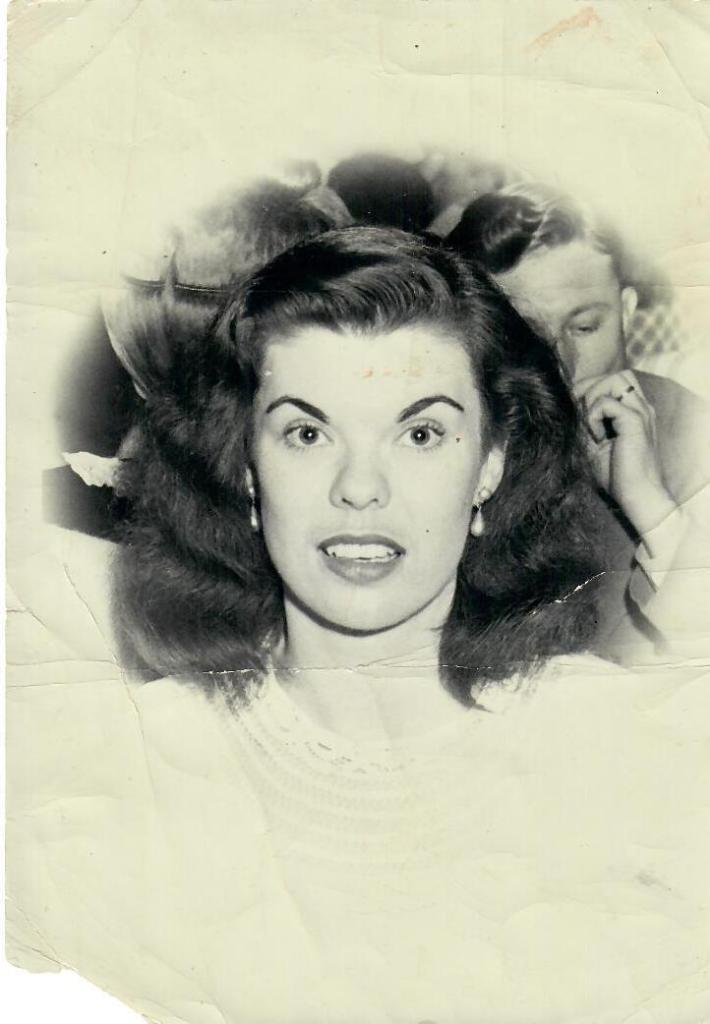
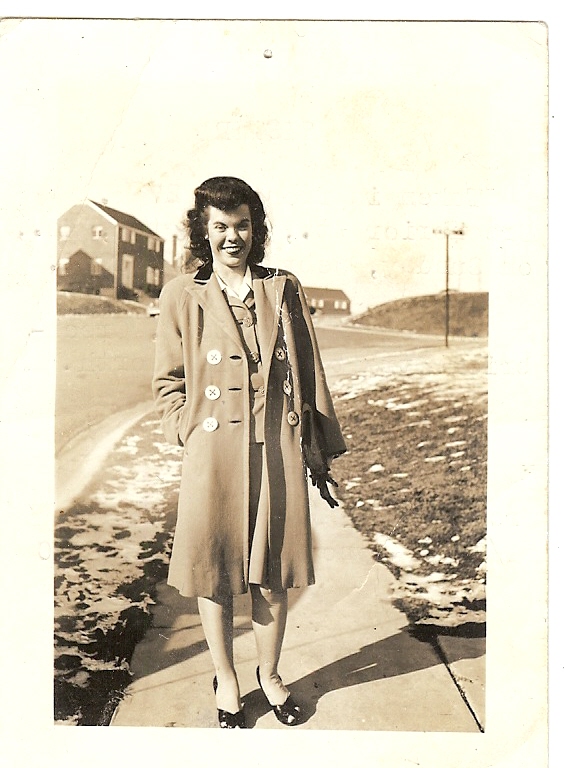
December 20, 1923….Lillian Amanda Proctor-Smart….my mother. She would have been 100 today. She passed at 84 in 2008 from dementia. Lillian was a native-born Washington girl who came of age at a time when we were entering a world war and D.C. was about to change dramatically. She was raised to be strong.

By anyone’s standards my mother was a hottie – beautiful. She had survived tuberculous after six long months in bed. In that time – she had a lot of time to think about life outside of her bedroom window. She grew up in Washington, Arlington, and Falls Church. She worked for Arlington County on Courthouse Hill. She was also employed by the C&P Telephone Company and the Department of Agriculture before settling into married life. Her background as an operator served her well. She taught us telephone etiquette. And God help us if we didn’t use it.

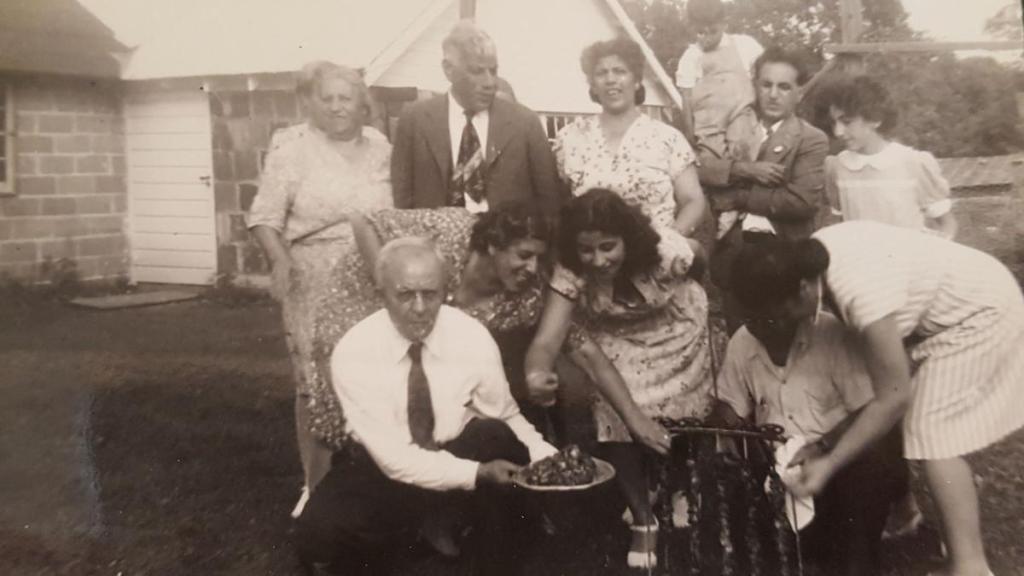
My mother was reared by Lt. Paul W. Proctor and my grandmother – Anne K. Proctor. My grandfather was solid integrity. He had a career spanning decades with the Metropolitan Washington Police Department and The White House Police Force. He served under several administrations including FDR and Truman.

My granddaddy retired in 1946 in the wake of a heart attack and settled in Arlington across from Fort Myer. My mother was surely of my grandfather and raised us the same way he raised her. She was always my conscience. Whenever a sentence began with “Now Jamie…” or “Honey…you need to think about this…” I knew she was right. She was my greatest friend – my bestie – for more than a half century. When I was losing my mind at 3 a.m. well into adulthood, she had the broadest shoulders. She listened…

My mother always said, “In the end, we’re all responsible for our own lives…” She was correct – and – at times it was frightening. We are indeed responsible for our own lives.

She raised us well.

Today – I present my mother in a Celebration of Life she has long deserved. She stood by all of us no matter what we were going through. I’ve had some mighty tough times as an adult. Through it all – she stood by me. She didn’t always tell me what I wanted to hear – but let me know what I needed to hear. To toughen up…

She spoke from her own life. She never had it easy. She watched my uncle head off to the war in the Pacific for four long years. My Uncle Wayne came home a different man from what he’d been through. He was a Marine through and through. He and my aunt raised two terrific men – my cousins. John served with C&P Telephone and Steve with the Maryland State Police.

My mother had a tough time conceiving my sisters and me. She and our birth father were married from 1948-1957. It took her several years to conceive and with a lot of help from fertility experts who did what they could to help.

We arrived in 1953, 1956, and 1959. It worked…

Anyone who knew Mom knew they had a great friend and cohort in crime. She had a terrific sense of humor and a sharp mind. She remained strong throughout her life and was hardened by life – yet she never lost her ability to love.

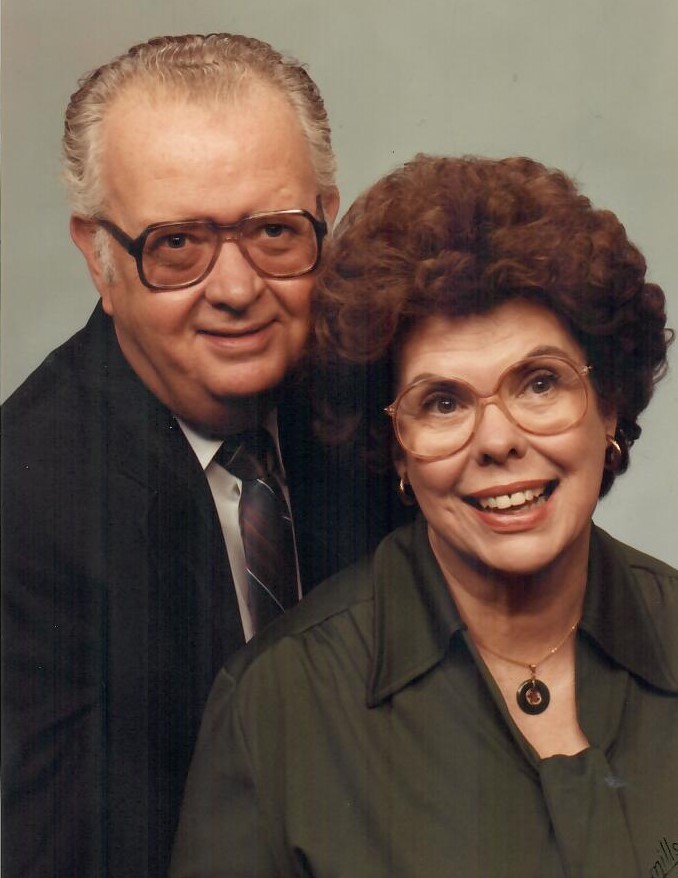
She married Jack Smart in March of 1958. Together – they raised us and made us feel safe and protected. She always went to bat for us. In the late 1980s, she began the long descent into Dementia. In 1987, she and our dad left D.C. and retired to Maryland’s Eastern Shore. I was not always sure she liked it there. They lived there until each passed in 2001 and 2008 respectively.

I have missed my mother terribly through the years. She passed on June 20, 2008 peacefully in her sleep. I will always miss our chats. Reared in Washington, she knew politics. That was her favorite subject. This is where I got my love of politics for better or worse.

I come by it honestly.

Today….we honor my mother’s memory, her love of family, and her engaging demeanor. I will forever love you, Mom.

Are You An Electronics Widow (Widower)?

I don’t know about you, but I am lonely.

Are you lonely?

In a world with endless forms of communication ranging from the humble telephone to email to messaging to the PC to the mobile phone, we are so disconnected.

How can we be so connected – yet so disconnected?

Cell phones, tablets, and laptops have become a global obsession. We just can’t put them down in our quest to be entertained around the clock. In fact, it is remarkable how psychotic we become when we lose track of our cell phones or the internet is down. We get panicky like coffee drinkers get when the coffee maker breaks down.

It just cramps our style.

Ever since Alexander Graham Bell said, “Mr. Watson! Come Here! I need to see you!” from the next room back in 1876, the speaking world has never been the same. Scottish born Bell changed the world with the first words ever uttered over a telephone. Bell’s invention began with an effort to transmit pulsing telegraph signals as a form of communication and so it went. His telegraph idea went from pulsing to real words.

Bell began to wonder if his telegraph invention could be used to transmit the sound of human voice. In due course, it led to his immortal words. Watson heard every word even though there was distortion. It wasn’t perfect by any means, but it was a start. It makes you wonder who the first person was to burp or flatulate into a telephone receiver (I know you are laughing).

It took a long time for the telephone to take hold, but when it did, this amazing invention spread like wildfire to ultimately being found in every home. In the beginning, homes generally had one telephone located in a hallway or on a table. Builders began featuring telephone cubbyholes with jacks in hallways and on staircases. By the 1960s, every home had at least two or more. The dial phone led to Touch-Tone in 1968, which was the norm by the 1980s.

Wikipedia tells us Western Electric experimented with the push button telephone as early as 1941 with methods of using mechanically activated reeds to produce two tones for each of the ten digits and by the late 1940s such technology was field-tested in a Number 5 Crossbar Switching System.  Technology at the time proved unreliable and it was not until after the invention of the transistor in the late 1940s that push-button dialing technology became practical.

Wikipedia goes on to say on 18 November 1963, after approximately three years of consumer testing, the Bell System in the United States officially introduced DTMF technology under its registered trademark “Touch Tone.” It was a remarkable invention that became the norm.  

There was a day when a mobile phone was for the very affluent. We remember television shows and movies where private investigators and the very wealthy donned their mobile phones at the wheel for a chat. It all began with a handheld mobile radio telephone, which was envisioned in the early stages of radio development in the 20th century.

Finnish inventor Eric Tigerstedt filed a patent for a pocket-size folding telephone with a very thin carbon microphone. Does this sound similar to what you have in your pocket? The effort to invent a portable telephone dawned after World War II. The Bell System was very instrumental in making it happen.

As the 1990s unfolded, cellular mobile telephones became more and more common and our trek toward loneliness began. Although the cellular telephone in all its forms has connected us like never before, it has also isolated us to the point of obsession. I see couples in restaurants where both are engrossed in their cells and laptops. People text one another in their own homes just rooms apart. Flip phones have evolved into Smart Phones with video capability to where you’re never far apart, yet very much isolated from one another. 

Oh…hold on…I have to take this call…

The Coloring of Our World…

When our troops came home from the Pacific and Europe in 1946 in the wake of a world war, they came home to their sweethearts and new-found loves, got married, and made babies – millions of babies. Some 70 million of us were born in the Baby Boom spanning 1946-64 – with GEN X swiftly following from 1965-80. We came out of delivery rooms kicking and screaming and we’ve been doing it ever since.

Boomers have always been about change. We’ve never been satisfied with the status quo. We have been, to some degree, the most diverse generation in American history. Depending upon the year you were born, your adolescent memories may vary. Those of us born immediately after the war remember the fabulous 1950s, the music, the style, and the attitude – cigarette packs rolled up in shirt sleeves, leather jackets, the greaser look, poodle cuts, Pompadours, bobby socks, and the incredible music of the times. It was a uniquely American sound embraced by the world.

Seems every era has brought iconic times – especially the 1950s. It can be safely said the generation gap began developing after World War II. People of all ages were embracing the euphoria of the “American Dream.” Onward and upward. We were on the rise and headed for world dominance. Home ownership. Growing suburban communities. World class education. Plenty of jobs and careers for everyone. Baby boomers came along with the same dreams in mind. We sought opportunities and went after prosperity with a vengeance.

I was born in the middle of the Baby Boom in 1956. I suspect the journey for me was considerably different than those of you who came before me. Most of you born in the early 1960s can probably say the same thing. When I was coming of age, we weren’t listening to Buddy Holly, Elvis, Frank Sinatra, Nat King Cole, and Pat Boone. We were into Elton John, The Beatles, Chicago, Stevie Wonder, Marvin Gay, Led Zeppelin, The Stones, The Bee Gees, Jim Croce, Harry Chapin, and The Eagles. The list of great performers was endless from our AM radios.

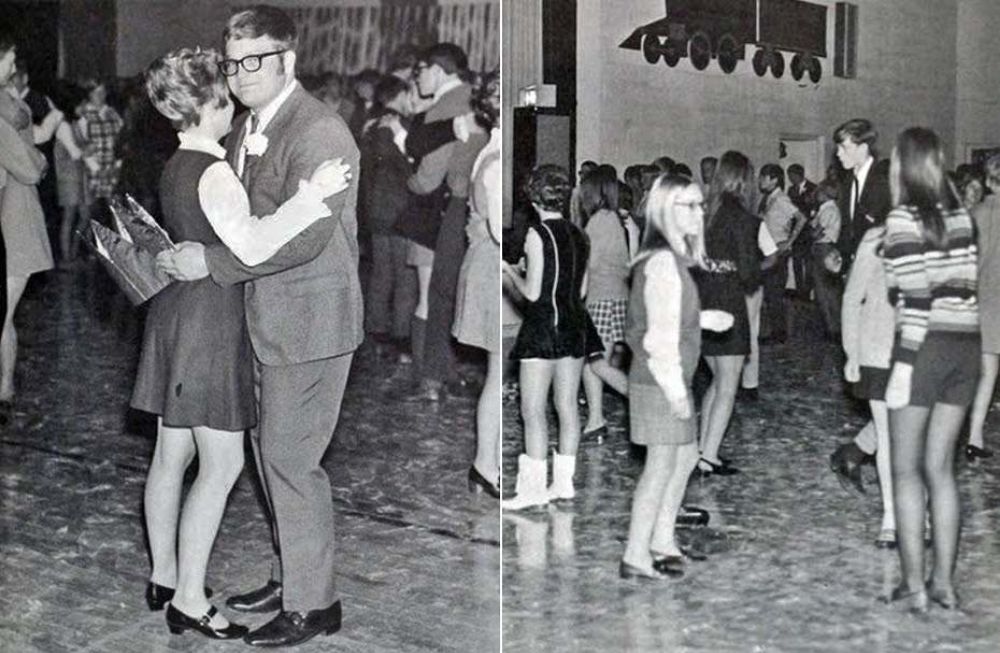
Pop music group “Chicago” seems to stand out most in my mind. Where I grew up in Maryland, we had Teen Club on Friday nights to keep us out of trouble and off the streets. We would collect in school auditoriums around the area where schoolteachers and parents would be standing at the exits to make sure we didn’t leave prematurely. We would dance to the music of the era, swap lies, brag about our cars, and feast on what they had on hand for the hungry masses.

When I think of slow dancing and embracing the opposite sex, I think of “Colour My World” performed by Chicago long about 1970, which was a song written by American musician James Pankow, a founding member of Chicago. The late Terry Kath sang lead vocal while Walter Parazaider performed the buttery smooth and intoxicating flute solo. It was a song perfectly written and performed for young lovers long on testosterone with a lot of memories to make and our whole lives ahead of us. The future was ours to hold.

“Colour My World” was the first really significant hit by Chicago that escaped its patented woodwind and brass sound. The music of Chicago was very much alive and long on energy. It was a notorious slow dance song at high school social events and proms where we all said, “They’re playing our song!!!” Young marrieds played it at weddings and on one-year anniversaries.

Whenever I am listening to Satellite radio and this song comes across the airwaves, I think of those first romantic embraces and the feeling of holding a girl for the first time. I watch my 15 year-old son coming of age and wonder what it is like to be him – 50 years later.,

Okay…I admit It…I am a Habitual Fixer

There are those who cruise through life and leave a trail of destruction and shattered lives in their wake. And then there are the incurables – perhaps like you and me who believe we have to fix the damage. In fact, we genuinely feel at fault for what happened and are convinced we have to fix it even if we had nothing to do with it.

What the heck is that?

We are the ones who need a team of psychologists – professionally paid “fixers” who are enlisted to fix the fixers. I, like my late mother, was born feeling guilty about anything and everything. She and I always believed we had to rescue everyone.

How do you fix terminally ill empaths?

Beats me, buddy…

My best friend, Karl, a Maryland native farm boy of German descent on the Eastern Shore defines this deeply engrained genetic trait that always leaves us in an emotional tailspin. He identifies himself as an “empath…” which was where I first learned this word, and so it goes. Karl has spent his lifetime serving others. That’s what he is and has always been. He is a professional farmer who has spent his life feeding others. He has worked in law enforcement serving and protecting others. If you’re in trouble and need rescuing, Karl will give you the shirt off of his back and the britches off his backside.

This is an element the man was born with.

Empathy is something we are either born with or haven’t a clue what it means. What happens to others always hurts worse than what happens to us. If we could transfer the pain others suffer to ourselves – we would. It is just too much to bear watching what happens to others.

I think the best place for an empath is volunteer work for those in need, which sports its own share of hazards because we’re always quick to rescue – oftentimes at our own expense. The good news is the gift of giving and doing for others. Makes you feel good deep inside.

Counting One’s Blessings…

As the sun rises on Thanksgiving Morning, remember to count your blessings no matter how dark things may seem.

If you have even one friend to lean on – that’s a blessing.

If you’ve made a difference in even one single life…not only is it a blessing for someone else who has the good fortune of knowing you – it is a blessing for how good it makes you feel.

If you enjoy a Thanksgiving meal today – even if you’re alone in a restaurant – you are blessed to know a warm meal.

If you hear the heater come on and can listen to the rain outside – you have a roof over your head and can bundle under the covers for a good night’s sleep and an old sitcom on the TV.

No matter how tough it may seem on this day – there’s always someone out there who has it tougher.

Count Your Blessings – no matter how small they may seem.

My greatest single blessing is the love of family and a circle of great friends. I never take any of it for granted.

May you all know Peace this Thanksgiving Weekend.

Things I Just Don’t Understand About California

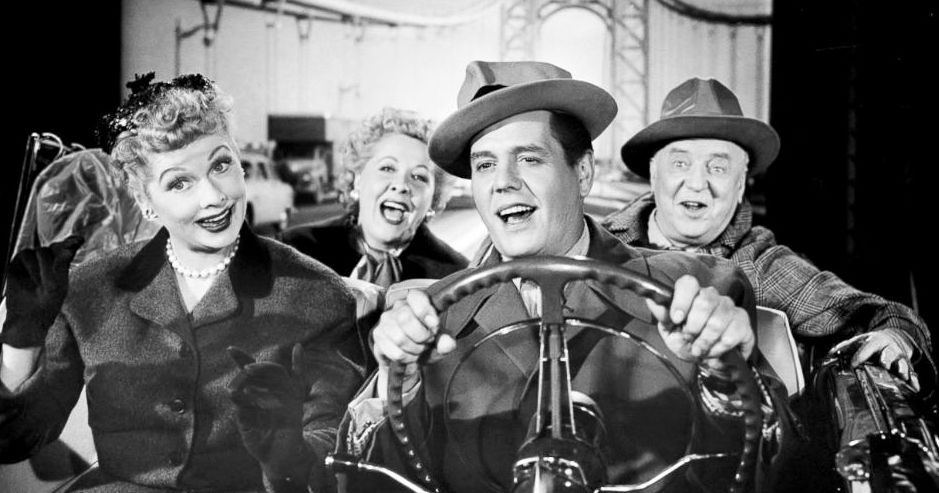
Do you remember when the Ricardo’s and the Mertz’s headed off to California in a ’55 Pontiac convertible singing “California Here I Come…” for a new adventure and the launch of Ricky’s movie career?

Ah – the Golden State, the mass migration West, and our endless national obsession with this place.

I am an East Coast boy lost in a place called Los Angeles. There are things I will never understand about California and I’ve been here 30 years. I am still adjusting to the place.

I am a native-born Washingtonian birthed in our Nation’s Capital during a rare March blizzard in 1956. I heard about my birth and the big snowstorm dozens of times from my mother. Not a darned thing I could do about the weather and my premature arrival. I was supposed to be a spring baby.

I’ve been in 49 out of 50 states and I’ve lived in eight of them. Now that’s a lot of moving.

I’ve had the good fortune of traveling from coast to coast and experiencing the many different cultures there are across the vastness of our United States. The only state I haven’t visited is North Dakota, which I intend to visit soon. Head for Minnesota and turn left.

I have lived in Florida and swatted mosquitoes, gnats, and love bugs. I do remember Oklahoma’s tornado warnings and stunning hailstorms. I’ve shoveled snow and scraped ice off car windows in Detroit. I’ve also lived in the South and attempted to understand that “queeeeit!!!” means “quit!!!”

I will never understand California.

Of all the places I’ve been, I’ve found California to be most unique – more different than any place I’ve ever been. Unique in a good way – and also quite unique in a not-so-good way. California was once a vast paradise until World War II ended and our troops came home from the Pacific. They were on their way home to thousands of destinations where it rained and snowed and was either butt cold or steamy hot. They stepped off ships and planes here in Los Angeles and up north in San Francisco, and found California was the place they wanted to be.

What was not to like about this place? In the post-war years, California was a great place to grow up and grow old. California’s great climate and many incredible destinations within a day’s drive or a short plane ride made people flock here by the thousands. Plenty of jobs and careers were waiting. Aerospace and manufacturing were humming. New communities sprung up all over. Education was state-of-the-art. People felt safe in their neighborhoods. Officers Reed and Malloy (Adam 12) were cruising the streets and arresting the bad guys. There were block parties all over and people knew each other. Overall, people were nice to one another.

California has suffered from exploitation and misguided government if nothing else, which has contributed to its deterioration. Millions have come here – both legally and illegally – and used the place up. A once thriving California has succumbed to the oppression of overwhelming government, high taxes, and an outrageous cost of living. No one can afford to live here anymore. As a result, the masses are leaving California in droves for destinations like Idaho, Utah, Texas, Tennessee, Florida and the Carolinas bringing most of California’s social woes with them. Californians relocate to these places and lament the absence of elements they had in California.

In-N-Out Burger has responded to the exodus from California by erecting restaurants in Idaho, Texas, Tennessee, and others under consideration. It has responded to thousands of requests from transplants who miss a great burger, fries, and a shake for under ten bucks.

Now there’s a California trend we can live with.