Oh, how we love to rag on young people. However, young people don’t understand us any better than we understand them. Much as we did with our parents a half century ago, they are just as determined not to follow the same protocol we have. They see us as dated and out of style. They aren’t going to chase the same ideals and beliefs.
I get it…
There couldn’t have been a larger generation gap than Baby Boomers and the Greatest Generation. Record smashing and “Rock and Roll has got to go!” The McCarthy era. They were decidedly different than we were and still are. They grew up in a different time altogether.
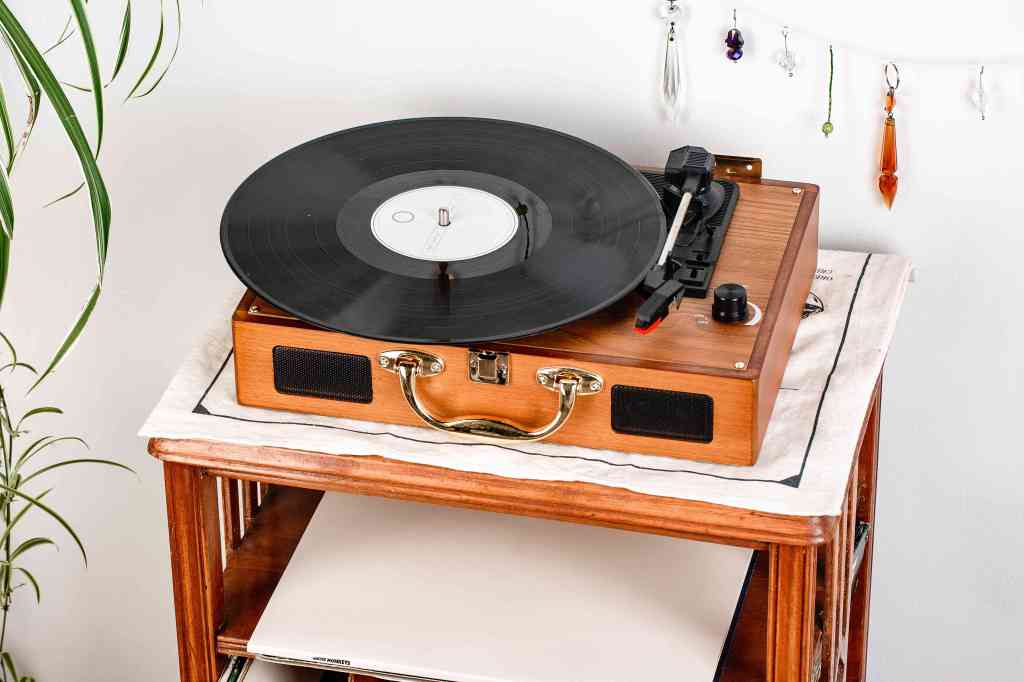
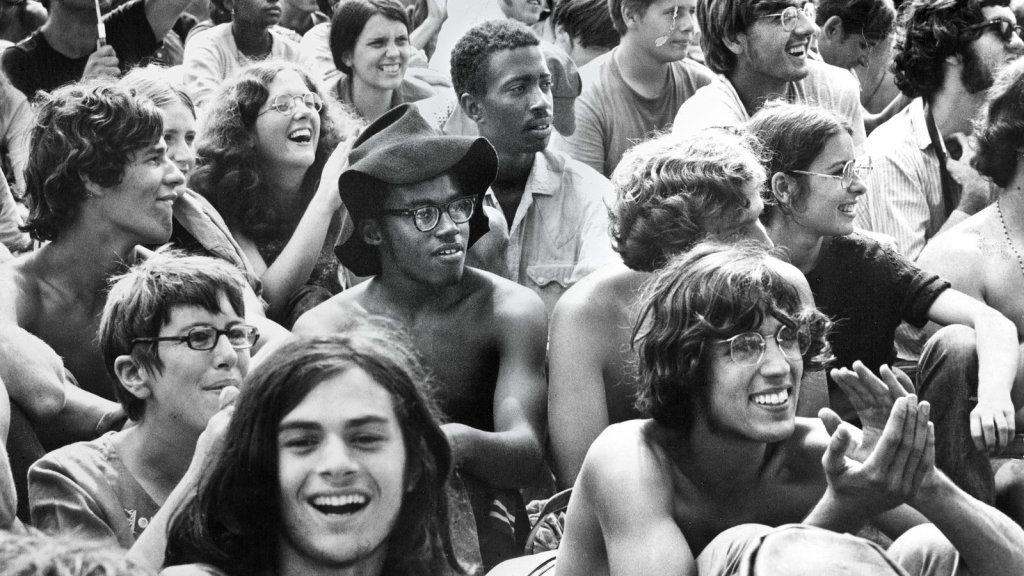
We are more attuned to young people today than our parents were to us. Baby Boomers don’t have issues with long hair and tattoos. We will sit there privately in our homes and inhale weed much as young people still do in 2023. Boomers find themselves listening to today’s music and young people have developed an addiction to the music of our time not to mention a new-found love of vinyl records and turntables. They like hip hugger jeans and bellbottoms.
“For Sure…For Sure…”
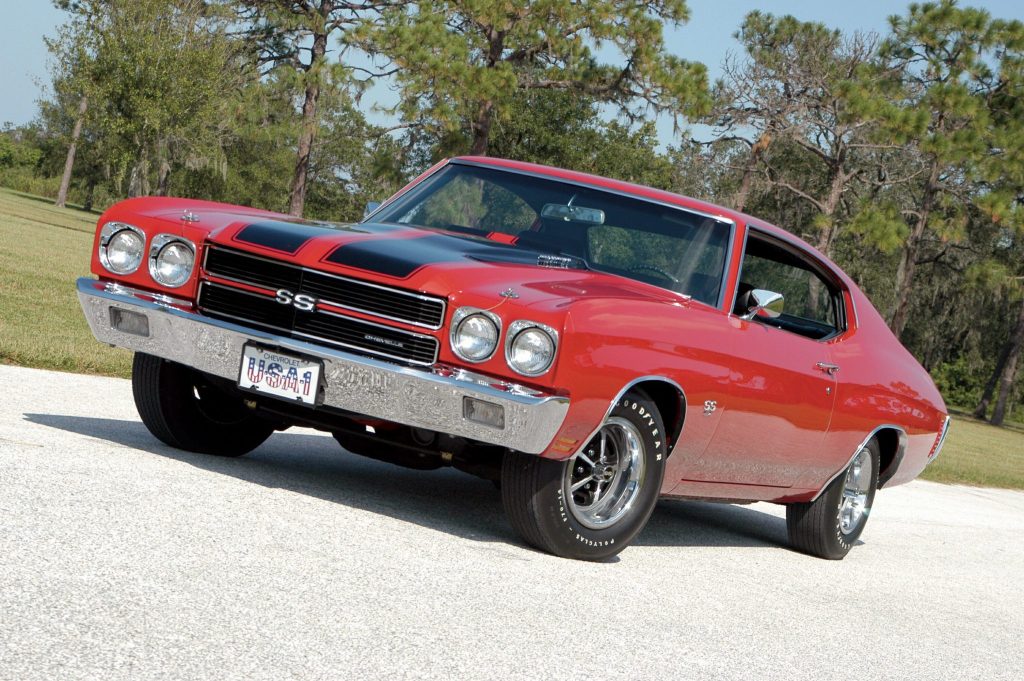
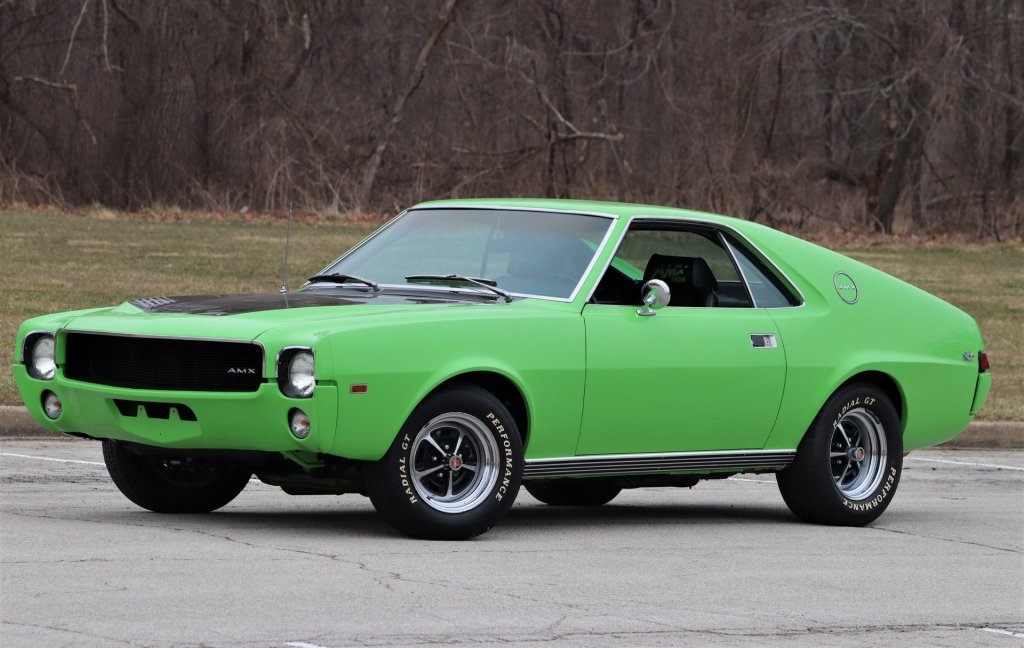
Young people like the classic muscle cars of our time too. Our 15-year-old son wants to drive the ’67 Mustang in the garage – the car I’ve owned since my youth. I used to “profile” in front of store windows cruising downtown much as he probably will later on. Young people like the essence of “cool” much as we did in our youth. We still like doing that today hoping no one notices.
As much as we rag on young people today about our differences, we have more in common than we will admit. Perhaps the focus should be on what we do have in common.
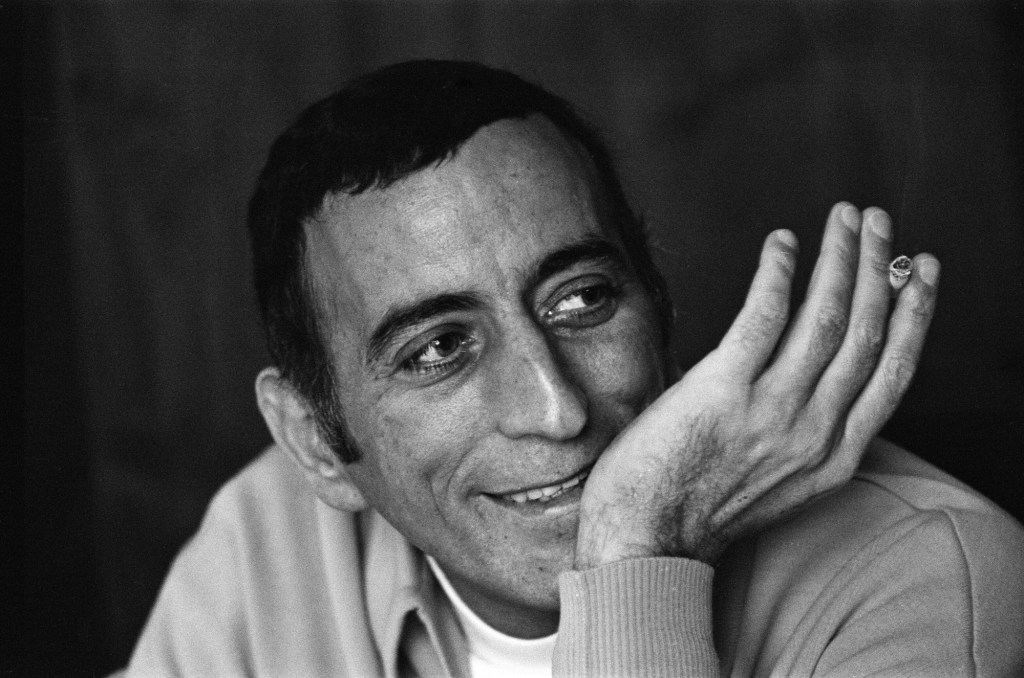
How do you say “so long” to one of the greatest vocalists of all time? It is 4 a.m. on July 22nd and I still haven’t figured how to bid this man farewell. He has been gone scarcely 24 hours. I just can’t do it. I think I will pop one of his LPs on the turntable for another round.
I need to hear his voice.
Born Anthony Dominick Benedetto August 3, 1926 in Long Island City, Tony Bennett grew up in the Astoria section of Queens, New York. By age 10 he was a proven singer with an intoxicating velvet throat.
He was so good he was paid as a singing waiter at Italian restaurants around the city. As he came of age, Bennett attended the School of Industrial Art learning his craft and honing his God-given talent.
Like most struggling young performers at the time, Bennett refined his technique in nightclubs around New York and New Jersey developing his own unique style. He wowed audiences everywhere.
Of course, there would be enormous challenges. In 1944, he entered the U.S. Army Infantry and served toward the end of World War II. By 1945, he was involved in some of the fiercest fighting of the war in Europe to supplement the heavy losses of the Battle of the Bulge. That he survived the intense fighting that ensued can be considered no less than remarkable. At the end of the war, he was involved in the liberation of the Kaufering concentration camp – a witness to the horrible atrocities of the war.
Bennett was then assigned to the Special Services band unit there to entertain American troops. He performed with talent he would come to know for decades. When he came home, he studied at the American Theatre Wing where he was taught the “bel canto” singing discipline – a technique he would practice for the rest of his life.
Despite his great talent, Bennett struggled. In 1949, he got his first big break in Greenwich Village, opening for Pearl Bailey. By good luck or fortune, he became acquainted with Bob Hope as a result of his association with Bailey. His career skyrocketed from there. Bennett signed on with Columbia Records and the only way was up.
Whenever I hear Tony Bennett, it takes me back to childhood in the 1960s with his records on the Hi-Fi and the energy he shared to the atmosphere and audiences everywhere. His voice, coupled with the work of great instrumentalists, got my adrenaline flowing. I loved his work and grew to appreciate the way he evolved in the decades to follow. He never lifted.
Bennett got criticism for sticking with tried and proven music. However, this approach worked well for him and he continued to pack houses and cut records. His style never really went out of style. It is no less than remarkable today he wows audiences ranging from The Greatest Generation to Boomers, to the very young.
Despite his struggles with Alzheimer’s, the decline of his health, and his inevitable passage into the great beyond, we can enjoy video footage and audio recordings of his work and enjoy the cool.
Godspeed, Tony – thanks for a great wealth of musical memories we can continue to enjoy for generations to come.
Do you remember long hot steamy sticky summer days and the oppressive feel of a warm and humid evening playing kickball as the streetlights came on? Sometimes, the parents would let us play until we were enveloped in darkness.
I remember that too.
The evening air would be as dense as molasses and the heat would wrap us in clammy sweat. A nice wrap up to the day was to soak in a hot tub with Mr. Bubble. We’d get out of the tub and the cool air felt so good along with the feel of clean pajamas and fresh bed linens.
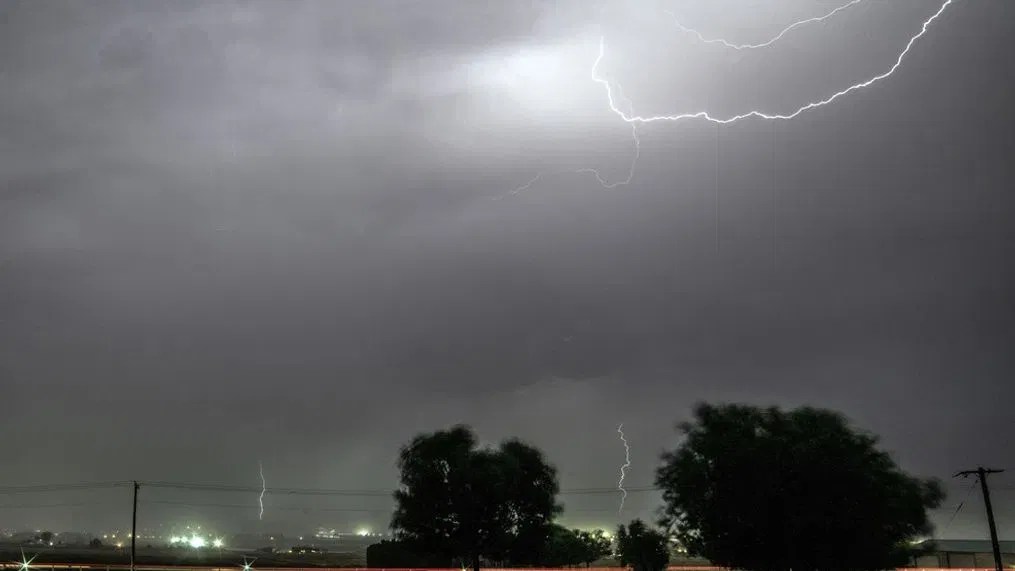
I grew up in the Mid-Atlantic. I live in California and – honestly – I am missing the rumble of thunder and the cheap thrill of a summer storm. There was such great anticipation on a warm summer evening with the distant rumble of thunder as it intensified and grew closer.
Where I lived in Maryland was hilly and wooded. You could never see the storms approaching – but you could hear them. The sound was ominous – with concussive thunderclaps indicating cloud-to-ground lightning strikes and the anticipation associated with thunderstorms. It was the thrill of the approaching threat. It made you want to hunker down and curl up.
As a child, lightning was a huge mystery to me. It lasted but a nanosecond with a startling flash and it was gone – followed by the hypersonic demeanor of thunder. The lag between a lightning flash and the thunder always baffled me, especially at eight years old when we were out there in the street in a game of kickball and had to come inside. I was one a kid who wanted to be outside in a thunderstorm to actually see lightning instead of the flash and thunderclap from our living room.
My mother and grandmother grew up in the foothills of Virginia’s Blue Ridge Mountains where the lightning could be quite intense at times. My grandmother told horrifying stories of close lightning strikes and the dangers of lightning storms “up home” in Virginia’s hill country. Both were terrified of the lightning instead of enjoying the thrilling phenomenon of thunder and lightning.
As the storms approached, my mother would round us up and get us inside to sit on the foam rubber couch to “protect us from the lightning.” She didn’t understand lightning. She perceived the foam rubber sleeper sofa would protect us. However, that’s not how lightning works. It’s like that age old myth you are safer in a car due to the rubber tires.
The old rubber tire theory has never been true.
Motor vehicles are hit by lightning all the time. Vehicles are struck and the tires blow from the intense heat of lightning traveling from the rim around the rubber to the pavement. The vehicle’s electronics are typically fried from the intense power surge. Because you are seated in a steel cage, you tend to be safer from the lightning than you would be otherwise.
Another popular misconception is you are safe inside during an electrical storm. That has never been true either. Lightning – which is static electricity – will always find its path – including right through your home to ground or from ground. Unless you are in a steel frame building, there’s always some risk of being struck by lightning. They tell you to stay away from windows, which is a good idea because it reduces your chance of being the victim of a lightning strike. However, the power of a lightning strike knows few limits. It can pass through anything.
I say these things not to alarm you, but to dissolve those old myths shared with us as children and to take you back to a warm summer evening playing kickball or hide and go seek. Hide and go seek was evening better in the darkness of dusk – that is unless you had a weak moment and started laughing.
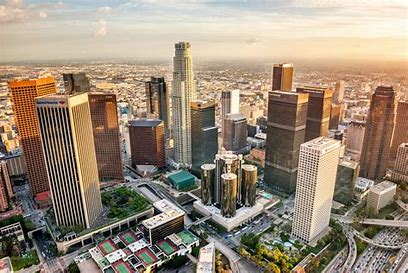
I’ve been living in Los Angeles for nearly 30 years. I’ve been all over this vast metropolis – from the high desert to San Diego. Los Angeles is unlike any place I have ever lived. It is vibrant, exciting, and one hot mess from the sea to the mountains to the deserts.
Los Angeles is no longer the eutopia it used to be. Core issue here is – too many people discovered this place in the post-war years and have come to So’ Cal’ in an effort to escape the very elements they’ve brought with them. Southern California has also become the epicenter for uncontrolled immigration and out of control homelessness. As a result, crime has spiraled out of control. It has become too expensive to live here hence the growing homeless population.
What has happened here was inevitable.
When I was growing up in Washington, D.C., Los Angeles was a faraway place we saw on television and in the movies. Friends of mine and their families were packing up and moving out of the heat and humidity and cold dampness of the mid-Atlantic and make new lives on the West Coast. People flocked to California for jobs, better pay, a perfect climate, fresh communities, and quality education.
This is the way it was 50-60 years ago.
People loved Southern California for its balmy climate, the ocean, the mountains, and the excitement of the entertainment capital. Contrary to popular belief, there are not celebrities on every street corner though I’ve seen a few in three decades.
LA was never an easy adjustment for a guy like me.
I am an East Coast boy and always will be.
The sharp contrast between East Coast and West Coast becomes very apparent when you move to Los Angeles and observe your surroundings. Most apparent are the people. Because Los Angeles is big on entertainment – narcissism is the first thing you notice….“Hellllloooo?!” Though Washington, D.C. and Los Angeles are a continent apart, they’re very much alike. D.C. is an entertainment capital but for an entirely different reason – politics and enormous egos.
New York can also be considered narcissistic. It is, after all, “The Big Apple” – New York – “HEY, I”M STANDIN’ HERE!!!” However, I love New Yorkers for their abundant character. When you have a friend in New York – you have a genuine friend in New York. Though hard edged, New Yorkers will embrace you given a chance. The same can be said about Boston where everyone knows your name.
There are many ironies that encompass East Coast and West Coast. The more different they are – the more they tend to be the same. The masses came to Los Angeles a half-century to escape the perceived oppressiveness of the Midwest and the East. And now – the masses are flocking to Mid-America and the East to escape the things they despise most about California.
As baby boomers segue into the twilight, we’re finding ourselves in a vastly different world than the one in which we grew up. Despite the great advances in technology and being able to order goods online and have them in 24 hours, there’s a certain euphoria that goes with the thrill of an in-store buying experience.
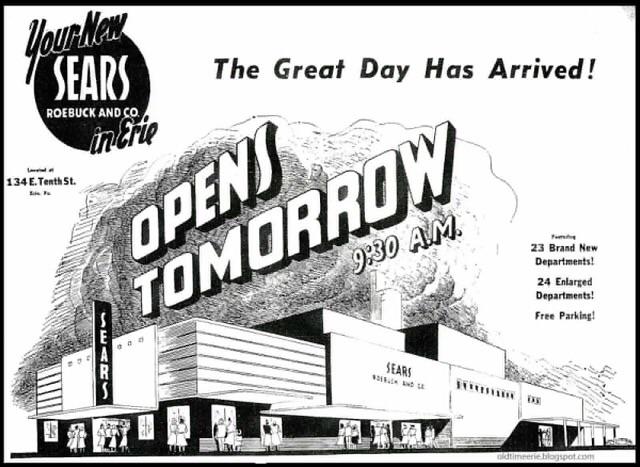
Touching. Smelling. Taking it all in. Carrying it to the checkout and being greeted with a smile. Or…ordering something mail order out of the SEARS catalog and watching for the mail carrier.
Do you remember that?
I certainly do…
I think of SEARS, Montgomery Ward, W.T. Grant, Woolworth’s, S.S. Kresge, Hecht’s, Mervyn’s, Famous-Barr, and a host of other retail giants that are gone today.
The thrill of waiting…the anticipation…is gone…
We’ve suffered the unfortunate loss of great retail names never to return. SEARS is easily the greatest American retail tragedy considering the potential it had and what it might have been given leadership with vision and an interest in the greater good.
SEARS invented mail order buying more than 100 years ago. This is what gave SEARS the edge over Amazon decades ago. SEARS already had the home court advantage because it knew the turf and how to dominate the market.
SEARS made it easier for those living in rural communities to get what they needed without having to drive to the city. In fact, there was a euphoria that went with waiting a couple of weeks for a mail order purchase to arrive. You had to wait – and the anticipation was enormous. As a kid, it was like waiting for Christmas Morning. Raw anticipation was good – and it taught us to be patient and how to wait.
We don’t know how to wait patiently anymore.
Amazon Prime gets it to you yesterday. What’s not to like about that – right? I can tell you…this is not a good thing despite our obsession with immediate gratification these days. This approach to retail has inspired us to be impatient – unwilling to wait.
It has become a form of addiction.
We want what we want when we want!
This is not a good thing either. Why? Because, long term, retailers we’ve come to know will be gone due to tough competition and Amazon will be the sole survivor along with Walmart. It will swiftly become a “Don’t like our lousy service? Too bad…” Bedford Falls becomes Potterville and the buying public, long accustomed to getting it now, becomes royally screwed. This is the time to become independent and be willing to wait.
Best we prepare for coming monopoly and return to the old- fashioned approach to retail buying and be willing to wait. Blow the dust off your car’s dashboard, or your favorite catalog, and try buying the way we all remember.
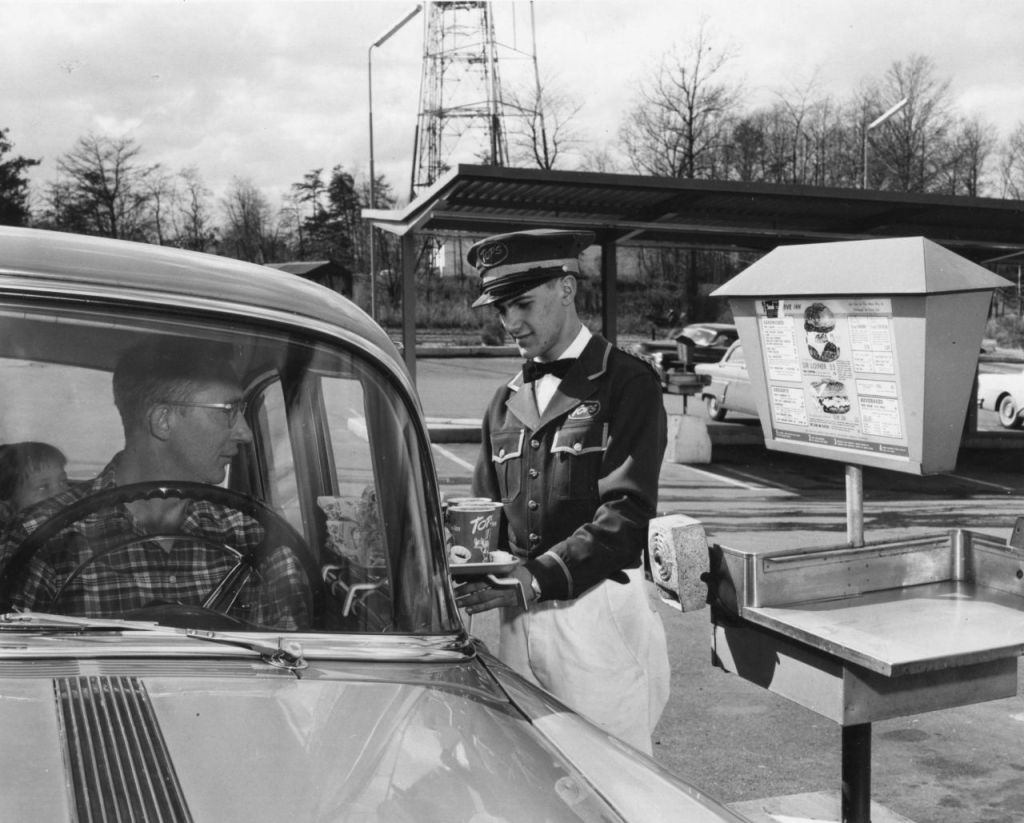
I don’t know about you, but it seems we eat a lot of fast food today. When I was a kid, fast food was a rare treat – not a matter of habit. For us, it was McDonald’s or Washington, D.C.’s very own “Little Tavern Hamburgers,” which were on a par with White Castles in the Midwest.
Because I was a kid, I hated Little Tavern burgers because they were laced with onions, which any kid knows, are not from this planet. Few kids will eat them. I always had to scrape the onions off yet the onion flavor remained. Sometimes, the ol’ man would bring home burgers from the Club 602 on his way home from work on a Friday – which were on a par with good bowling alley cuisine.
What made McDonald’s America’s favorite in those days were the basics of fast food – burgers, fries, and a shake all for under a buck – food the average American family could afford. Such is not the way of McDonald’s today. For a family of four, for example, a trip to McDonald’s or any other fast food joint is at least $40 – unheard of a half century ago. In the 1960s, $40 was a grocery bill.
McDonald’s and Burger King grew way beyond their original intended markets and have taken a lot for granted in the years since, with menus so involved today it is an exhausting read at best. It takes a logistics manager to even begin to understand any of it.
This really isn’t having it your way.
The best fast food bargain out there remains Southern California born “In-N-Out Burger” – which is catching on across the country as people flee California for more affordable lifestyles in places like Tennessee, Texas, and Georgia. In-N-Out Burger never forgot what it is in business for. It never left its core consumer group – people who want a simple burger, fries, and a drink for under $10 – and that’s in the wake of significant recent inflationary price increases.
McDonald’s, Burger King and the other big guns are always conducting consumer product testing – products that come and go for “a limited time only…” You get used to a product and suddenly it is gone. Well, who the heck wants that? Certainly not me. I am a creature of habit. I have a hard enough time breaking in a new toilet seat let alone seeing a favorite vanish from the food menu.
In-N-Out as well as other regional burger chains, never abandoned their core market. Another good example is Sonic drive-ins, which was born in the American heartland. Sonic never abandoned its core customer – people who want a simple menu that’s easy to navigate. Dairy Queen is another terrific example of how to treat the consumer. It continues to offer a simple menu and there’s always plenty to choose from.
What baby boomers enjoyed long ago is something young people miss out on today because they’ve never lived it. What made our treks to drive-ins and fast food establishments was the rare nature of these terrific outings. They didn’t happen very often and, when they did, they were thrilling instead of us thinking of it as an entitlement.
Have you ever wondered whatever happened to simple conversation – without the use of a cell phone or some other form of electronics? I am as guilty of it as the next person. Someone texts you with the words, “Call Me…” and you’re thinking “What?! Call You?!” This is how bad it has become. We have time to do a lengthy text, but no time to talk?
This constant, tiresome obsession with cellular communication instead of the fine art of time-proven good conversation. Well – personally – I’ve had enough of it – and doing a lot of soul searching as this is written. It is time to make constructive changes in my personal life because texting, messaging, and emailing as a matter of habit just isn’t a healthy lifestyle.
You’re never really with anyone because they’re constantly consumed with their cell phone. You’re in a restaurant with a friend or sitting at home with family member and it’s like you’re not even there. They’re so engrossed with this handheld device to the point to where you get up and leave the room and they don’t even notice you are gone.
This preoccupation with cell phones and electronic devices is an acute form of sociological mental illness. You see it everywhere. Televisions, cell phones, tablets, and other forms of electronics consume attention to where we aren’t even connected anymore. That’s exactly what the puppeteers want – electronic brainwashing because it works so well.
For a society so connected – we are so very disconnected.
Remember when Blackberry pagers were known as “Crackberries?” The cell phone has become an unhealthy form of emotional addiction. It divides people much as social media has. We have all kinds of courage to be rude and insulting on a keyboard – that is until we meet the person face to face. Then, we’re falling all over ourselves apologizing – however, the damage is done.
What to do about this if you’re on the outside or so obsessed with cell phone communication that you can’t put yours down? You’re going to have to go at it cold turkey and begin the withdrawal process by putting yours down. Leave it in the next room or hidden in your car. Encourage those around you to put theirs down too. Good luck on that one because the addiction is deep.
It has become so absurd to where if you don’t respond immediately, the sender goes off the deep end emotionally. Forget explaining to them the days when you would leave a message to expect to wait for a response. We want that response right now. Consider the days when you’d write a letter (I miss getting letters) and it could be weeks before you’d see a response.
I often wonder…what did we do before we had cell phones, tablets, and laptops? We walked down the street or picked up the landline.
Bowling Alleys are among my favorite childhood memories. I was born in 1956 – fortunate for having been born then. Some of my first memories of life were bowling alleys. My dad was a dedicated league bowler and he did so two to three times a week much to the chagrin of my mother. With enough cattle prodding from her, he was eventually down to one league a week.
I was born during the emergence of the big mid-century bowling boom – which came of the automation of the game and the demise of the humble hardworking pin boy. No more waiting. No tips. And the raw excitement of the game in those days.
It was a wonderful time to be young and alive.
Modern bowling centers were many at the cusp of the 1960s – bright, colorful, and designed to entice the bowling public. Some houses were open around the clock – especially where factories were. Though the look is dated by today’s standards, it still excites bowlers who remember a different time in America. We were on the grow and headed to the Moon. Design trends followed that vision. Bowling centers were futuristic in their design – with striking masking units, ball returns, telescores, and wraparound seating. They were terrific community gathering spots even if you didn’t bowl. You could visit with friends, sip a beer, down a hot dog, and swap lies with great friends.
Bowling alleys offered the best food in town – burgers on the grille, hot dogs, crispy fries, hot apple pie, plenty of beer, and fast-quick turnaround for hungry keglers between frames. Most houses had billiard rooms with at least four pool tables where you could shoot pool when bowling just wasn’t your thing or to relax after a league. There were nurseries for those who didn’t have anywhere else to ditch the pesky little particles – which was where a lot of us spent our time while the parents bowled and spent time working on their game.
Bowling was all over the airwaves. “Bowling For Dollars,” “Championship Bowling,” and ABC’s “Professional Bowlers Tour,” which aired for 35 years on Saturday afternoons to infuse live entertainment into your winter afternoon. My father and I would watch – and witnessed historic moments in bowling history – the 300 games, 7-10 split conversions, and a host of other moments.
I personally went to an airing of the Professional Bowlers Tour – the Fair Lanes Open – at Springfield, Virginia in February of 1972. It was quite a rush on a cold winter day seeing it all live and in person. I shook hands with Chris Schinkel and Billy Welu who hosted the Pro Bowlers Tour in those days. Sadly – we lost Welu to a massive heart attack two years later. He was replaced by Nelson Burton, Jr. who provided commentary for decades to follow. The once very popular Pro Bowlers Tour declined in the ratings, and ABC dropped it and the Wide World of Sports in the mid-1990s.
The Professional Bowlers Association (PBA), in search of viewers, has become more like World Wrestling, with professional bowlers yelling at the pins and getting into fits of rage in order to keep and maintain an audience. Despite all the fanfare, the results are marginal at best. Those of us who remember ABC’s Professional Bowlers Tour are not impressed nor inclined to tune in.
The decline of bowling in the past couple of decades can be attributed to the distraction from other entertainment venues and the lack of commitment to bowling leagues, which are the life’s blood of any bowling center. Seems people just don’t have time for bowling leagues and that sweet connection to others anymore. To me, an avid bowler at one time with a 185-195 average in league play, it was everything to turn out on a weeknight, hook up with friends, and experience the euphoria of a solid pocket hit.
Ten in the pit – thank you very much.
When I was 10, my dad would take me out to Odenton, Maryland for a Saturday morning youth league up on the hill above Maryland’s Route 175. Such anticipation I tell you. We would walk into the building and the place was dead quiet with the din of a handful of youngsters waiting to bowl. Counter personnel would announce practice bowling, you’d hear twelve Brunswick machines wake up with that familiar turret belt whine, and the game was on.
We had a terrific time.
There were two bowling centers in Odenton in those days – Mr. & Mrs. Q’s “Bowl-A-Rama” on 170 (now Greenway Bowl). Bowl America up on the hill above Odenton where I bowled with dozens of others was the better of the two houses in those days. Bowl America was a Brunswick house with 34 Gold Crown lanes clad in mid-century aqua pastels. Bowl-A-Rama was an AMF house with 40 lanes – 16 of them duckpins popular in the mid-Atlantic. Bowling chains like Bowl America, Fair Lanes, and a host of others have fallen on hard times and the decline of business. Bowlero has capitalized on this decline by acquiring existing centers and reinventing the bowling experience.
If you remember bowling more than a half-century ago, you remember the distinct differences between Brunswick and AMF houses. The acoustics of a Brunswick house was low frequency rumble as balls hit the pins. It was Brunswick’s long wooden kickbacks and the pit acoustics of A-Model pinsetters that made them sound that way.
AMF centers were more high frequency – with a light and airy sound with wooden and steel kickbacks to get that level of acoustics. In fact, AMFlite II bowling pins had a higher pitch “ring” than the competition. A house full of new AMFlite pins yielded a deafening decibel level until the pins became seasoned and settled. AMF lanes were low profile with a short step-up. The approaches had colorful dots, which made it easier to position yourself. Brunswick lanes were taller with a rubber mat to catch snack bar crumbs and debris. These mats had a layout of the pin deck.
Baby Boomers have lived through an incredible time in history – with the excitement of the bowling boom among the memories.
Three bicycles have been through our home – quite possibly more – purchased for our son to enjoy. All of them went to Salvation Army – virtually unused. Kids today – live in “virtual reality” instead of reality – you know – the actual world we live in? When video games end tragically, you get to start over again and live to fight another day.
No harm, no foul.
This is one reason why young people aren’t coping with REALITY. They don’t handle disappointment very well. They’ve never been taught how to deal with disappointment. Boomers have indulged them with all kinds of pacifiers in our quest to be popular instead of good solid consistent parenting.
I do not want to rag on young people. I have been a “young people.” I rode my bike all over the place. I fell and skinned my knees. I got up and brushed myself off. And – when I was old enough to secure employment – I went out and got a job. I mowed grass and I pumped gas. Because I was a snot-nosed stupid kid, I got fired too. I had a lot to learn about how to keep a job. I took Driver’s Education and got my first car. In baby steps, I learned how to make my way. There were a lot of setbacks – poor decisions that adversely affected my youth.
Life can be educational.
When I was 20 and between jobs, my mother gave me a talking to. She called me a bum and told me to get off my backside and find work. I did. My ego was bruised. However, it was incentive to grow up and find steady full-time work. No one – including my mother – was going to call me a bum and get away with it. It was at that time I began thinking about what I wanted to do in life. I joined the U.S. Air Force because I had a passion for aviation. I wanted to work on jets. I needed guidance to learn what to do when my enlistment with Uncle Sam was up. It was a miserable learning curve. I had a lot to learn. When you are very young, you think you have all kinds of time.
You don’t…
A word to the wise for those raising kids and grandkids. Prepare your kids for life or expect them to fail. Be a great mentor and parent. I tend to be a tough father – not to be mean – but to prepare our teenaged son for life. We are late in life parents who adopted a newborn at 50+. I want our son prepared for the world out there, which isn’t going to care what he wants. It will slap him around, hurt his feelings, and hand him his posterior.
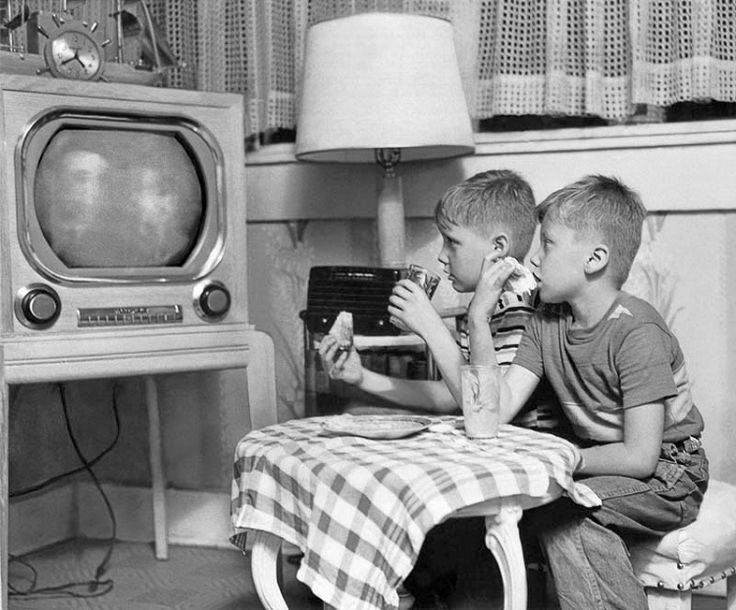
In our day when Baby Boomers and GEN-Xers were young, we went outside and played with each other in the street. We got together and connected – and without cells phones and PCs. We had a good time in a mid-century form of social media on the playground.
What have we been teaching our young? Be honest. Electronic entertainment became a babysitter for Boomers and X-ers who don’t always like being bothered with parenting (you know this is true). Not everyone will agree – but I believe this is why we have spoiled entitled millennials who aren’t coping with disappointment very well.
And yes – we are to blame.
But – consider this. What if we would have had video games and electronic media 60 years ago? Would we have fallen into the same trap as our kids and grandkids?
You bet we would have.
One of the greatest things you can teach your young is WORK ETHIC. The value of a dollar and what it takes to earn it. Teach them life isn’t an endless supply of cash and instant gratification. Show them how important it is for them to plan ahead and learn to wait for things. We also need to teach them compassion for others. We’ve become so self-absorbed to where the masses just don’t even know how to do it.
What we haven’t given our offspring is our time. We’ve spoiled them with material goods, playthings, and everything they’ve ever wanted. That is what has made them feel “entitled.”
If you’ve been around a while, you remember the thrill of a new car when you were a kid in the 1960s. The aroma of fresh vinyl and new carpet gassing off along with glistening chrome and new paint. I remember the aroma of paint burning off of hot exhaust manifolds. The new car experience a half-century ago was nothing like today where one model year blends into the next void of the fanfare and excitement we knew growing up. Each fall, new car dealers papered up their windows and the new model year rollout was a big secret.
If you loved automobiles, you went to the newsstand to check out the new models in MotorTrend and Car & Driver – then – headed to the dealers to see the new models on introduction day. It was a tradition and a big deal in these United States. The airwaves were alive with car commercials. TV shows highlighted the new models by making them characters in the show. Who can forget the Andy of Mayberry and all the new Fords – or “Bewitched” with Corvettes, Camaros, and Chevelles. Astronaut Major Tony Nelson in “I Dream of Jeannie” always had new Pontiacs. Who could even look at the GTOs with the distraction of Barbara Eden parading across the screen?
Every fall on “Dealer Row” in each community was a festive event with an abundance of exciting teasers to lure buyers into the showroom, “What will it take to put you in a new Ford today?” Lots of goodies for the kids – free stuff. The powerful influence of spouses who wanted to replace the family car with something a little more sporty or luxurious.
It is funny to remember how guarded our parents were with a new car. No food or drink. Get your feet off the seat backs. Stop playing with the switches and buttons. The endless battle over who got the window and who didn’t. And – that dreaded roadside spanking.
By the way – our car culture is as strong as it ever was. People like being seen in new cars and trucks. They like to get them home and dress them up with accessories. Placing your hands on the wheel of a new vehicle exudes a special kind of high – motoring away from a dealership. The euphoria of a new car and the anxiety of car payments. We ride those payments out for five years, just in time to start the payment cycle all over again.
The way dealers sell vehicles and the way we buy them is changing. Automakers are slowly abandoning their dealers and opting instead for you to buy direct. There’s also abandoning volume, building fewer vehicles, and making them more expensive. This is the new automotive economics as we crest the mid-2020s. Hard to know what’s next. I’ve noticed in recent years dealer stocks are loaded with well-appointed vehicles when I’d be happier with fewer options. To order a new vehicle is a very expensive proposition.
These days, people tend to lease new vehicles. Dealers call it “Smell new every two…” Less of a commitment that way. Don’t get too attached and watch your mileage.
Now me – I’ve always bought new cars for the long haul. I think the best automotive investment is the vehicle you buy new and drive 300,000 miles for 15-20 years. Clean fluids and lubrication along with regular preventative maintenance are the best investment you can make for longevity. It remains the best way to buy a new car.