I was parked on a side street waiting for my teenage son to say goodnight to his girlfriend just after the stroke of Midnight, January 1, 2025, when the Paul McCartney hit “Band On The Run…” from the mid-1970s was played on satellite radio.
I thought to myself, “My God, I feel old this morning…”
Has this ever happened to you? Those familiar vintage hits that were once Top 40 on FM radio stations across the nation? As “Band On The Run” unfolded, I began to feel those old feelings associated with springtime that evoke both euphoria and profound sadness. Euphoria for the aroma of spring clover and sweet honeysuckle along with balmy temperatures, the chorus of birds, and the anticipation of summertime. Sadness over a lost love – especially a love lost to someone else.
A few of us understand how that feels.
Two of the quickest connections to our pasts are our sense of smell and music.
It is remarkable what our minds retain from a lifetime ago. Raising a glass to the terrific era in which we grew up. Have a terrific weekend, everyone…
I’ve been living in Los Angeles for 31 years. L.A. isn’t just a great big freeway – it has long been a passionate car culture bent on being seen in traffic…in style… Cruising downtown – profiling in front of store windows watching yourself go by. L.A. is an enormous ego trip if you’re driving something cool. Then – there’s the rest of the mundane masses driving nothing to be seen in.
Today, Los Angeles is a sea of uninspiring imports and domestic economy cars, which has been the trend since the 1970s. The vastness of Los Angeles calls for economical transportation, especially since the fuel shortages of the seventies. These econoboxes line the streets and driveways of the L.A. Megalopolis from North Los Angeles County to the Tijuana border.
Los Angeles has changed a lot since the post-war years. Stylish Detroit rides of steel have become mundane boilerplate boring transportation. Can’t tell one brand or model from the other. I’ve been a car enthusiast all of my life and have earned a living writing about automobiles, and how to fix and restore them. Yet, I cannot tell them apart in traffic except for their emblems and markings. Pickup trucks have become so common where I cannot tell a Chevy from a Ford from a Ram.
How pathetic is that?
Trucks used to be distinctive to each brand name. Dodge RAM trucks, especially, were standalone with an unmatched masculinity. Do you remember the 1990s when Dodge trucks underwent a massive redesign to where they resembled a Mack truck? That brute styling remained with RAM for a long time. The latest offering blends right in with every other truck out there.
With very few exceptions, automotive styling has become mundane though I am bound to get arguments on that one – especially if you just bought a new car or truck. Creature comforts have vastly improved though I wonder what happened to the driving experience – actually driving a motor vehicle and enjoying the excitement it yields. Buyers want the comforts of home during the morning commute – features that also distract and cause accidents. To protect drivers from themselves, automakers have had to dial in safety features – like automatic braking, perimeter protection alerts, steering correction, flashing brake lights, and the rest of it to prevent accidents.
Whatever happened to personal responsibility?
We’ve gotten so far away from the human factor of driving and vehicle personalization that the driving experience is not enjoyable anymore. What about that? Not sure automakers or society will opt for this – but what about the distinctive nature of automotive styling we could actually recognize? Styling has become so homogenized that it reminds me of NASCAR where everything has to be the same right down to the body, chassis, and powertrain. Whatever happened to competitiveness where “you run what you brung…” and may the best man win? We need that on the freeway.
Those of you who read Boomer Journey remember a different time on the American road. Some of you have opted to continue driving your classic car while others have chosen to roll with the flow.
Boomers grew up in an amazing time in history. America was on the grow and education standards were high. In the wake of the Great Depression and World War II, the only way was up. I had the good fortune of great mentors growing up – terrific teachers and administrators – who showed me the way and managed to infuse some level of wisdom into my stupid head.
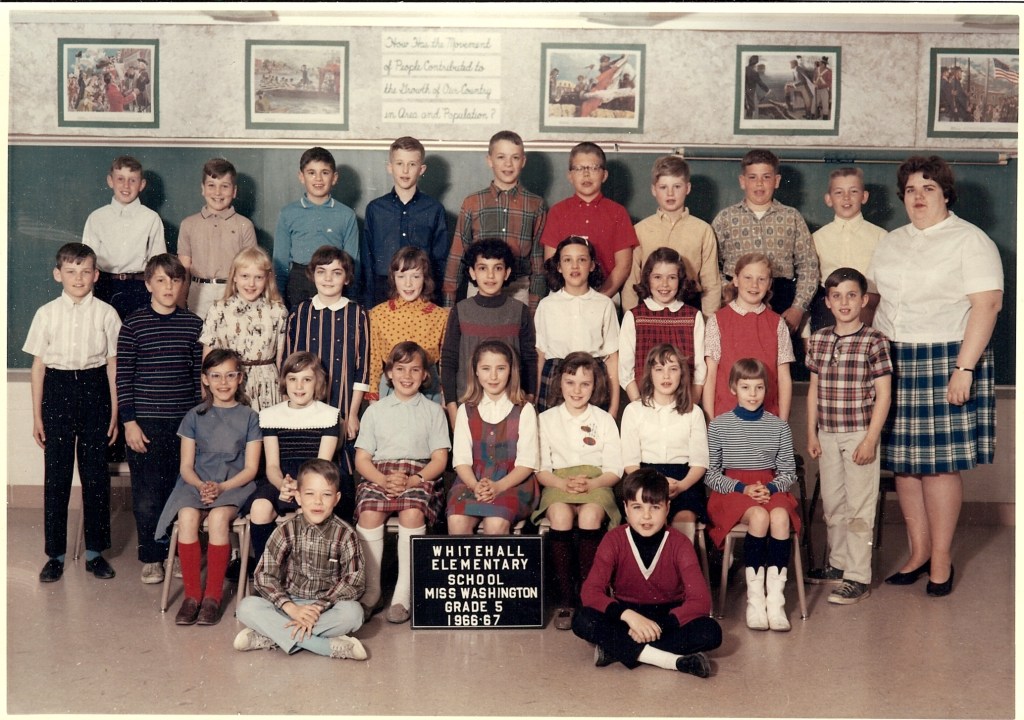
When I entered 5th grade in September of 1966, I was living in the fastest growing city in the United States – Bowie, Maryland – some 26 miles outside of Washington, D.C. At the time, the Prince George’s County School system worked feverishly to keep up Bowie’s growth. Homebuilder William Levitt (Levitt & Sons) brought his community building resources to what was a rural area of the county at the cusp of the 1960s. The quiet little hamlet of Bowie, Maryland was about to change.
Bowie was a wide spot in the road on Defense Highway (MD 50/450) between Washington and Annapolis, Maryland. Levitt arrived in Maryland at just the right time. In those days, Bowie was in a triad region between Washington, Annapolis, and Baltimore. It was on the way to everywhere. US Route 50 became a freeway between Washington and Annapolis, with Route 3 North to Baltimore.
In the fall of 1966, I met the greatest teacher I would ever have—Miss Nancy Washington, 26, fresh out of college. She wasn’t your traditional “Single File, Class…” educator. She was very down to earth, a true friend who made learning fun. She made education an adventure. In fact, she was so good I’ve never been able to forget her profound effect on my life.
At Bowie Senior High School in the 1970s, we had Vice Principal Anthony “Tony” Verge who was raised in his native West Virginia. Mr. Verge was not your average administrator. He yielded a firm hand, yet we never felt he was the heavy. If you were cutting class and hoping to get out of the Bowie High parking lot unnoticed, Anthony Verge would be waiting, then pop out from behind a car and comment, “Where you supposed to be?” He didn’t drop the hammer – he reminded us to examine our conscience. We knew where we were supposed to be.
I’ve had the good fortune of knowing Tony Verge since the 1970s. I lost track of him for decades, then found him and his lovely wife and educator, Arlene, recently – long retired in West Virginia. We’ve had a wonderful enduring journey together in recent years getting to know each other intimately in the peace and quiet of their rural community. They are stellar people to spend time with. The Verges have dedicated their lives to service to humanity and are still at it in their eighties.
John Filardo is another terrific mentor and educator – very laid back and easygoing. He managed to educate me in Consumer Math 50 years ago when it was virtually impossible to educate me. I was a terrible student and challenging to teach. I used to go to his house and tune his cars, which was how we bonded and have remained great friends for a lifetime. A committed golfer, John Filardo retired from teaching years back – focusing on what made him happy. He has never wavered. I call him and he will answer, “I’m about to tee off, call me later.”
Truly committed educators are those who spend their lives making the world a better place before they hand us to the world. Sadly, I missed out on Nancy Washington, who I lost track of after elementary school ended in 1968. She passed in 2000. I regret missing out on her and thanking her through the years. I will never forget her.
John Filardo and The Verges continue to educate me with their wit, humor, and continuing commitment to educating me a half-century later.
Every year end, I post something philosophical to reflect and wrap up the year. We are in turbulent times with a lot of unrest going on around us. We’re headed into uncharted waters with no idea how this will all shake out.
A lot of us are scared.
I promise no politics – but politics is surely affecting our lives both nationally and on personal levels. New laws. Big changes. Hope and shattered hope. Disillusionment and euphoria. We all have our biased feelings – just never forget to put country, family, friends and your faith first. You don’t have to agree on everything. Just remember to practice mutual respect.
Be nice…
I am a born pessimist – born to this mindset. It has been challenging for me to be optimistic. It is how I am hardwired and how I was formed growing up. I was taught good values by great mentors, and I know I was loved growing up.
Call it genetics and conditioning.
Despite all that – I’ve learned how to laugh at myself. It’s a good practice. To get through life – you must have a sense of humor – the ability to laugh it off and find a way to move forward.
I count my blessings every day and give thanks to the Higher Authority who handed me life some 69 years ago. Grateful for a tight wonderful circle of supportive friends and family who’ve stood by me through a whole lot over a lifetime. Enduring friends – you know who you are.
Thank You for your never-ending belief in me.
As we enter 2025, it is best to look at the future with a sense of euphoria and wonderment. It is out there waiting for us even as we face our twilight years.
Old age doesn’t mean dead. Chart your course and never stop dreaming.
Baby Boomers and GEN Xers are arriving at old age and a lot of us don’t like it. It was where our parents and mentors were a lifetime ago. However – there’s a lot to be said for not having a choice. You are growing old and that’s hard to accept. However, growing old means you are still alive – a tough survivor who has weathered the storms and flown out stronger for the tough times when a lot of us are gone from this world. You are still here to know both love and pain. Pain – tough as it is – means you’re still alive. And – when you pass may you have few regrets and know love.
And remember…All Will Be Well…
And finally – I am going to say something that will ruffle a few feathers – but please know it is important. We’ve become too dependent on social media and electronics – both of which I am practicing here. Way too dependent. As we hold our cell phones, tablets, and laptops – we’re missing out on a whole lot. We are missing out in each other. Time passes. So does life.
That said, put down your cell phones, tablets, and laptops and take the time to spend time face-to-face with a friend, loved one, a sibling, or an associate whom you value. You never know when today will be their last – or yours…
Again, my thanks for your love and friendships. Be safe and may you know happiness and good health in 2025. No one knows what’s next – so enjoy every moment. Never forget to say “I Love You.” Hug them and let them know what they mean to you.
We are a generation in denial. It has been said repeatedly by boomers that 60 is the new 40. I beg to differ. I will be 69 in March and I am positive 60 is not 40. I’ve been 40 and I have been 60, and I am positive 40 was better. I did things at 40 that I would never tackle at 68. With each passing decade, our minds and bodies deliver a fresh message for the next decade in the form of aches and pains and tasks we’re wise enough never to try again.
We are not 40 anymore.
I think of things I used to do at 40 – like climbing on top of the roof of an old house 30 feet in the air and never thinking a thing about it. What is it about 68 that makes me terrified of heights? I suppose we break easier at 68 than we do at 40 though a 30-foot fall would have killed us at 40.
And – what is it about that morning constitution after coffee that just isn’t the same? As a man, you are reminded “Operation Golden Flow” is a lot more sluggish than it was at 40. We sit there for a time waiting to finish. Better do a PSA test along with that dehumanizing cavity check digital rectal exam just make sure.
My doctor said, “Oh no worries, I have small fingers…” as though that would make it easier.
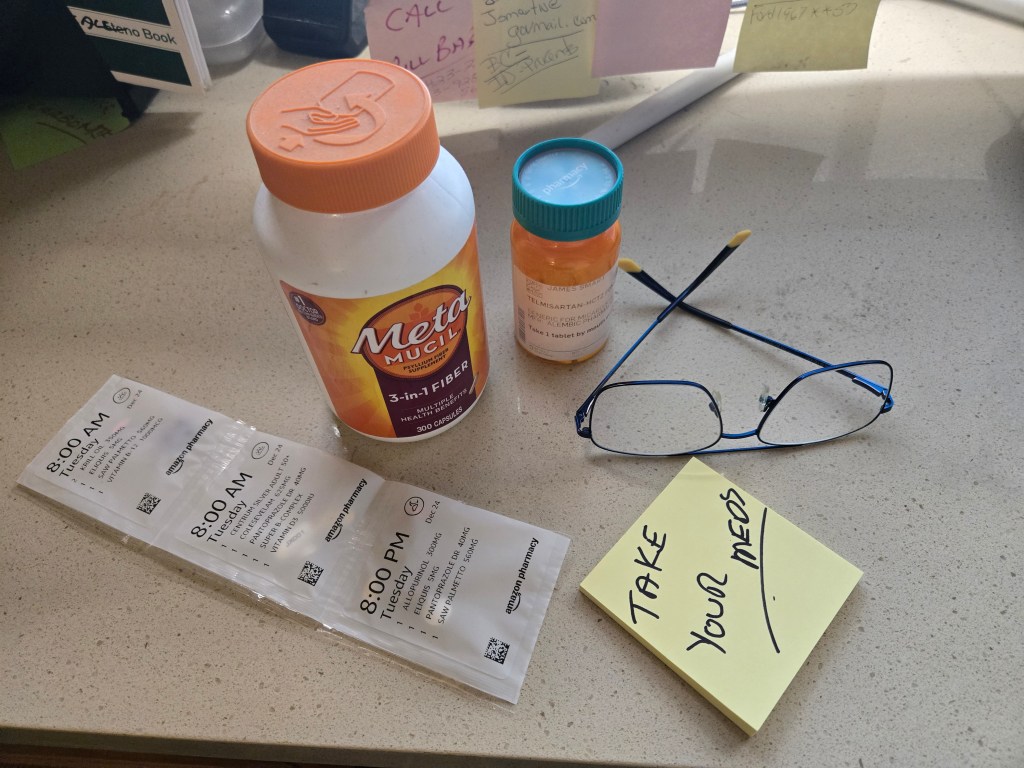
Adding insult to injury is Number Two. Takes a lot more energy to do it at 68, which reminds me to take Meta Mucil each morning. More importantly, does it even work? On the upside, you can develop six-pack abs this way if you forget.
The elements of old age sneak up on us in osmosis form one day, one week, one birthday at a time. One rule of law holds true – with each landmark birthday at 50, 60, 70, and so on, we begin to feel changes in our mental and physical state. Fifty is surely the gateway to old age. I have to laugh at those who – at 60 – refuse to acknowledge they have entered senior citizen status at IHOP.
Probably the biggest insult of all is memory. I can remember superficial nothingness from 60 years ago, yet I cannot remember the name of a friend I’ve known since the Disco Era. Someone explain that to me – and if only I could remember what they said in a phone call this morning.
I suppose you could call Mother Nature cruel – however, she knows exactly what she’s doing. Old age is one of the few fair things in life – if you’ve lived this long, you are among survivors – those smart enough to have made it through the 1960s and ’70s. Some of us didn’t survive. I hear my fellow Hoosiers lamenting old age and wonder what the issue really is. Old age is reserved for survivors – those of us who managed to survive the foolishness of our youth.
Those of you who read Boomer Journey are endlessly reminded of childhood Christmases whenever you hear holiday music from back in the day or catch the refreshing aroma of woodsmoke or a live Christmas tree. That’s how it still is for me more than a half-century later.
I can never resist donning “The Andy Williams Christmas Album” or the “Great Songs of Christmas,” the latter available from Goodyear tire dealerships in the 1960s. These wonderful vinyl record albums, and dozens of others, take us back to our childhoods when Santa was very real and out there on a cold winter night. It was the rare magical combination of darkness and imagination.
It was all about faith and belief in what we couldn’t see or touch.
Childhood was all about imagination – the freedom to escape to an imaginary world no one knew about but us. It was a nice escape until adulthood arrived and life was never the same. Some of us never segued into adulthood. I will admit to you I’ve never really grown up. I like to close my eyes and escape to the world of imagination – my own little world – which keeps me sane. Dunno about you, but I find it a place where I feel very much at peace.
I think we all need a little bit of that.
Imagination can range from retreating from life for time by yourself, perhaps on a cold winter night on the patio bundled up, taking in the sweet holiday smell of woodsmoke, or listening to the quiet -save for that ringing in our ears. If it is a snowy night, you cannot hear a thing – just wonderful silence and a great sense of peace as snowflakes brush your face and settle to the firmament.
As I have grown older, I’ve found our memories are our greatest escape. Put on the sweet, wonderful holiday music of your past and drift peacefully into a wonderful memory. Though I have a vintage Magnavox stereo console in my office that was my mother’s, I instead listen to traditional holiday music on YouTube or Google Home to enjoy the same music we did as kids. Technology has passed that classic Maggie up – yet it remains an integral part of those childhood Christmas memories.
Whatever holiday tradition you celebrate – be it Christmas, Chanukah, or any number of other religious beliefs from around the world, as long as you are sharing the memories and the happiness, that’s all that matters friends. Let us all be accepting of one another’s traditions and beliefs. Be safe and comfortable this holiday season.
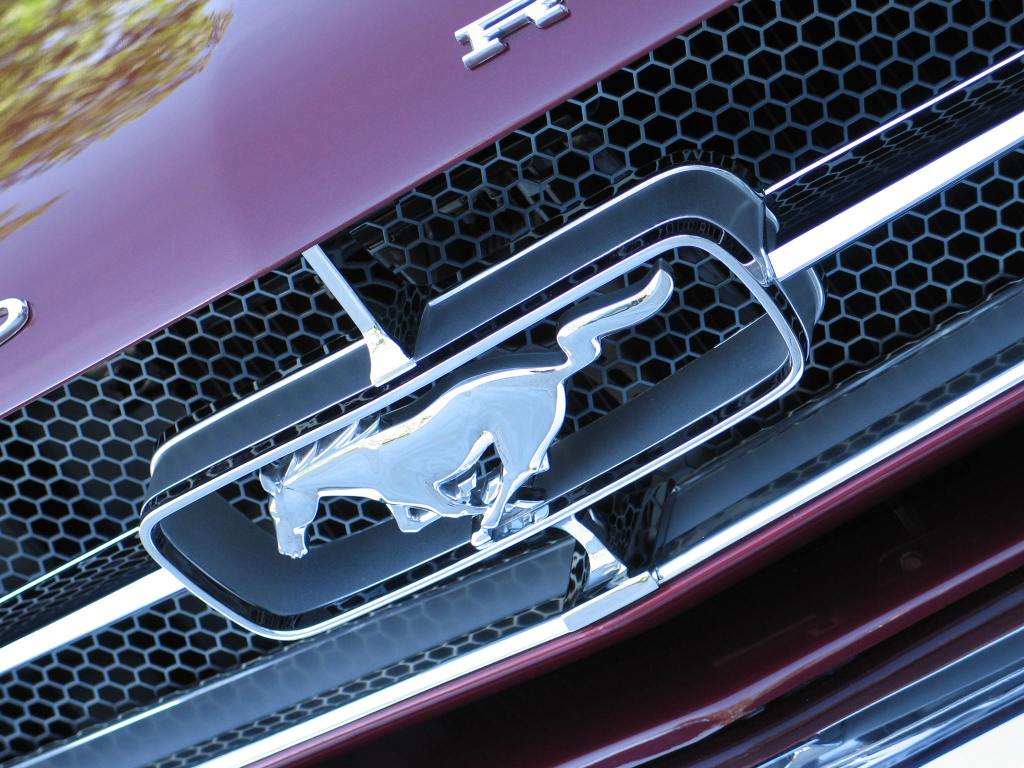
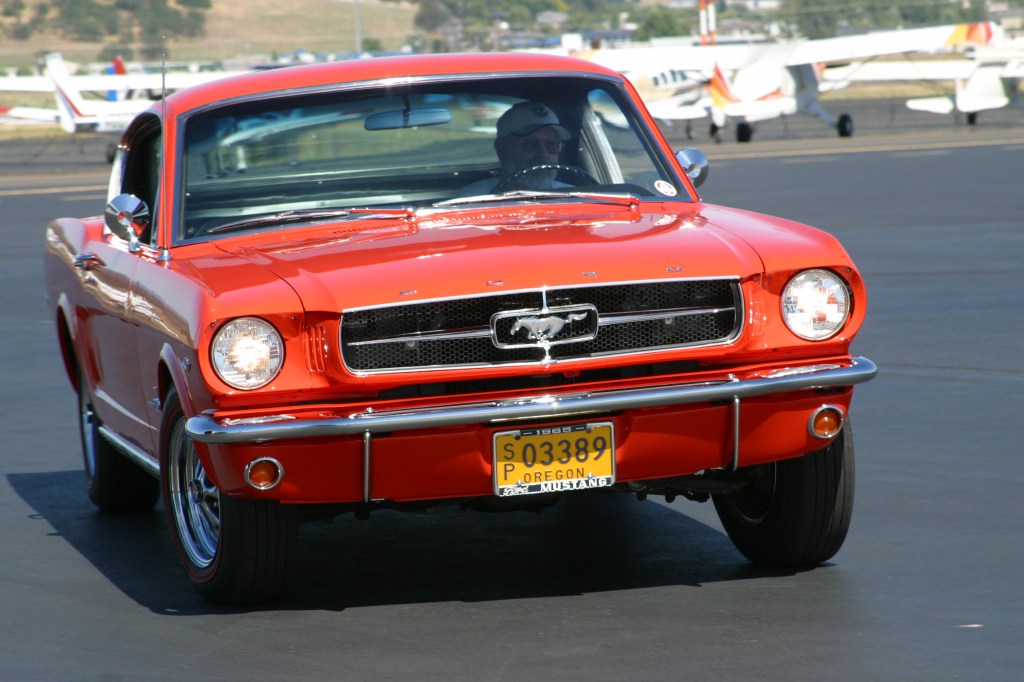
Ford’s Sporty Mustang fun car changed the way we perceived automobiles 60 years ago. Instead of boring economy cars, Ford’s Vice President and Ford Division General Manager, Lee Iacocca, concluded transportation didn’t have to be boring. He also saw a hot market coming for affordable sporty automobiles. Sporty didn’t have to be expensive. Instead – it would be a mass market ride.
Iacocca’s enormous challenge was building an affordable sporty car for a buck a pound. Several concepts were examined, with only one concept meeting the objective – the Falcon/Comet platform, which paved the path to Mustang. Ford product planners, engineers, manufacturing people, and marketing gurus had 18 months to get Mustang to market.
It was the summer of 1962.
Iacocca staged a design competition from three Ford corporate studios – Advanced, Lincoln-Mercury, and the Ford Division studio. All were expected to roll out their vision of what the Sporty Ford Car should be. On a warm August morning in 1962, each brought their concepts to the Ford Design courtyard. One stood out – the sporty Ford “Cougar” clay concept conceived by Gale Halderman, Dave Ash, and design boss Joseph Oros. All departments went to work developing what would become Ford Mustang. This meant working day and night around the clock, seven days a week, for a timely rollout at the New York World’s Fair in April of 1964.
The Sporty Ford Car project known as “T-5” was something everyone wanted to be a part of. The raw excitement of something totally new – a youth market car conceived specifically for baby boomers coming of age. However, the Mustang became something even more – buyers of every age bought Mustangs – even if they didn’t need a second or third car. People bought Mustangs for reasons they couldn’t fathom just to say they had one. The elderly bought Mustangs to feel young again. Ford called it a “youth movement…”
I’ve had the good fortune of living the Mustang life for more than 50 years. It has been a good run for me. My passion for automobiles became a career as an automotive writer and historian. I was handed my dream shot with an up and coming publisher specializing in niche automotive enthusiast markets such as muscle cars, hot rods, classic cars, and more specifically – the Mustang.
The result has been never being bored going to work each day. What I have learned from this experience has been to always pursue what you love doing. If you can make a lot of money doing it, all the more reason to do it. I have not become wealthy as an automotive journalist; however, I’ve earned a comfortable living doing so and managed to meet people who’ve become friends and extended family. And now – it is time to expand my writing experience and look to the next chapter of a life spanning nearly 69 years. I would like to invite you to come along.
As Mustang’s 60th year winds down and the seventh decade lay ahead, what about your dreams and that next chapter? What will you do next?
I was chatting with a friend recently when the subject turned to our mutual lives. Like most discussions like this, we lamented our lives, frustrations, and also our blessings. Thankful for the love of friends and family – but also whining about the things that were getting us down.
My friend, who was about to turn 60, offered wisdom and perspective – suggesting we imagine ourselves in a rocker chair at age 85 recognizing our good fortune and also our regrets. Then – he suggested asking what we would do differently given the chance. Life doesn’t allow us to go back and change what has already happened – but it does allow us to mold a healthier future.
That said – what would you do differently?
That prompted me to look at my own life and – if I could – what would I change? What would you change? Some of us are in positions where any major change to our lives would be impossible. Perhaps you’re in a bad marriage and stone broke, with zero options because it takes enormous cash reserves to change direction at any age. My mother always used to say even a bad marriage becomes a habit – a comfortable rut – or perhaps an uncomfortable rut. You want to make changes but haven’t the foggiest idea of how to get there.
You may be very much alone – stuck in a different kind of rut. Perhaps you’re in a multi-generational household with grown kids and grandkids with an intense desire to get away from them and have a life of your own. Few things are more discouraging than being on the tail end of a hook and ladder firetruck with someone at the wheel in front who is headed in an entirely different direction.
Doesn’t bode well for a healthy life.
Some of you will say you’re too old to tackle a major change in life. It can get scary. The unknown always is. Depression, loneliness, health issues, financial woes, and a host of other issues can inhibit change. Seems all so impossible, doesn’t it?
But – it isn’t.
Real change comes from an overwhelming and burning passion to change. You have to feel it and envision it deep in your soul, then chart a plan. And, by the way – you’ve got to really want it. Not everyone close to you will appreciate it. You may lose friends and family along the way who don’t share your vision.
Again – how are you going to feel in that rocking chair at 85?
I’ve learned from wise people it is best to find ourselves in the company of positive people – people who can infuse healthy thinking into our lives and be our champions. They want what is best for us and won’t discourage us from trying. They will put us first and cheer us on. I will tell you I was raised by good people who taught me the importance of responsibility and giving generously to others. Yet – with the best of intentions, enveloped me with negativity. I was discouraged from trying anything new and different. I was also raised never to think of myself but only of others.
Putting others first is a noble gesture and it is important to maintaining healthy relationships, however, you must also take care of your own needs before you can be of any value to others. Recognizing your own needs and wants makes you emotionally strong enough to be of service to others. What I’ve always needed to practice and haven’t has been balance – giving generously to others while never forgetting my own dreams, needs, and wants.
So, what about that?
If you forsake your own dreams, wants, and needs, you become bitter and resentful – someone no one will want to be around. If you’ve spent most of your life serving others, have you also taken care of yourself?
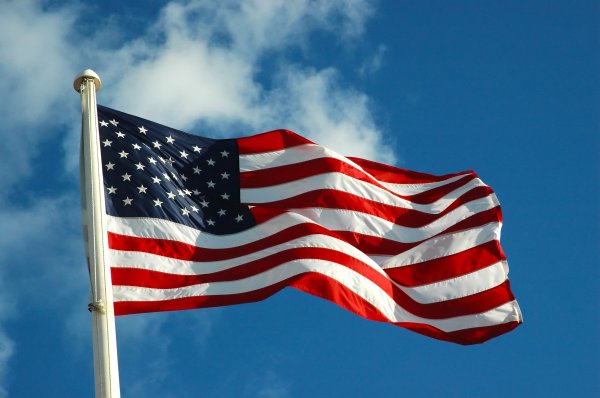
We are in a low spot in American history – a nation divided and decidedly lost. We still haven’t found a way to work together for the common good.
I’ll say it again – Country First…
Oh sure – we’ve been here before. We couldn’t have been more divided than we were during the American Civil War 161 years ago. No American war was more deadly than the war between the states with 1.2 million dead. This makes the American Civil War the deadliest to date. Not all were killed in combat, but also from disease, and those who died in captivity.
All this chatter about “civil war” in these unsettled times is spoken by those who don’t understand the cost of civil war. It gets darned bloody and people die. Were you able to ask anyone who participated in the Civil War what it was like and what it accomplished, they would likely tell you it wasn’t worth what it cost in human toll. America learned from the Civil War to work hard at peacefully settling our differences.
We still have a long way to go because the Civil War’s cost and toll are long forgotten. However, we still understand the cost of war in our war dead and wounded in 2024. All the wars foreign and domestic since 1776 plus World War II, Korea, Vietnam, the Gulf War, Iraq, Afghanistan, and undoubtedly conflicts now in the Middle East and Eastern Europe. The war-wounded walk among us. They can cite for you what combat is like – if they can even talk about it.
It seems mankind can’t find a way to live together peacefully with an eye on love and respect for others. Egos start wars as do simple differences of opinion and misunderstandings. The late George Carlin, a great satirist and comedian, spoke of America’s history of war. He defined us as a war-loving nation. Our very economy has thrived on it and so has our desire for world dominance.
I will say this cautiously. Well-grounded women make better leaders and this has been proven continuously around the world. We’ve missed two opportunities to elect women in recent times. Not everyone will agree with this and that’s okay. Women – who give life – are less inclined to start wars. They are less interested in having huge amounts of real estate. They’re more interested in peace than men who perpetually want more land and power – and will do anything to have it.
It’s an ego thing…
Personally, I am more interested in perpetual peace. Not everyone will get along and there will always be differences of opinion. However, self-control is more in order – knowing how to contain anger and frustration. I will tell you I am not a patient person. Self-control comes from cognitive therapy and practicing what you learn from it. It is more easily learned than practiced. Add to that the personalities of some 7 billion human lives and it becomes complex.
The United States of America remains the experiment of the Great Society. We still have much to learn. It is how we fly out of this current atmosphere of unrest that will determine where we are a century from now. I have faith in our young to work harder at this “work in progress” than we have to date. We’ve made progress – but still have a long way to go. Once we find a way to put country and democracy first, we will become the promised land again.
Thanksgiving is an American tradition – friends and family, celebrating our good fortune and even our bad – and enjoying an autumn day filled with football games, feeling warm and cozy, bellying up to the table, and that food coma to follow.
It is a time of swearing off of diets and enjoying the meal.
We’ve been celebrating Thanksgiving since the 1600s by some estimates. Others will tell you we started celebrating in 1863. In any case, Thanksgiving is a time of giving thanks for all our blessings. It is just a good practice. As a rule, I give thanks every day for my blessings large and small.
A typical Thanksgiving dinner consists of a time-proven menu dating back to New England harvest celebrations – turkey (naturally), potatoes in all forms, squash, cranberries, primarily pumpkin pie, and more. Every part of the United States celebrates with different foods and customs. What has long been customary isn’t so customary anymore. Such is life in the world’s melting pot with all of our different cultures and beliefs. The key word is acceptance.
Thanksgiving is also a time of giving to those less fortunate – charitable organizations, a troubled neighbor, a friend in need, local food banks and homeless institutions – the list goes on. I make it a habit of donating to charitable organizations like the Red Cross, St. Judes, Veterans organizations, food banks for the hungry, and more finances permitting. It feels good to serve others.
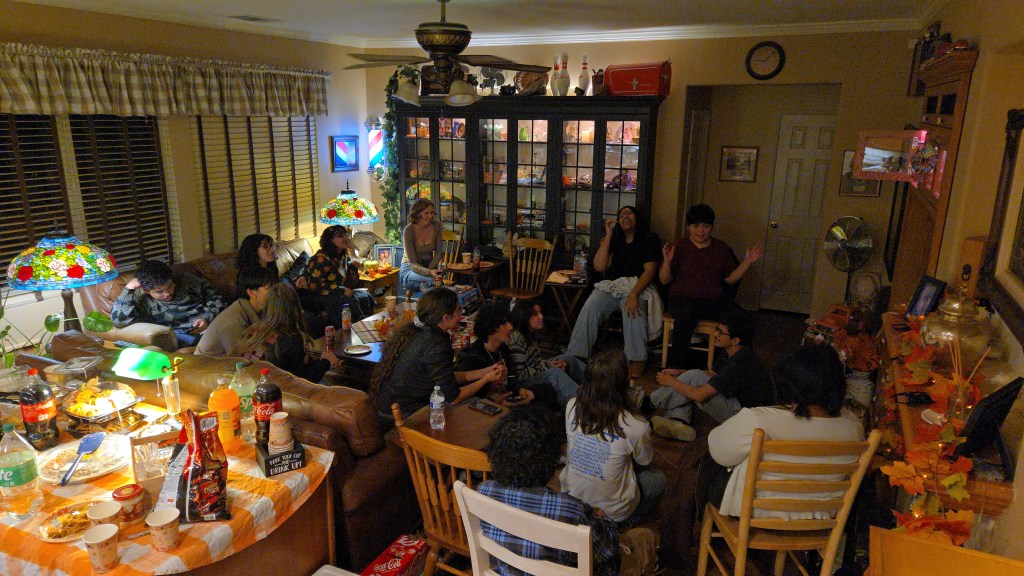
Young people have come up with something known as “Friendsgiving…” to celebrate friends giving to each other in an atmosphere of mutual respect and love. Without respect, there cannot be love. I will cite you an example. My 16-year-old son just hosted a “Friendsgiving” celebration here at the house with a terrific group of friends from his high school marching band. It was a wonderful time with laughter, hugs, and celebration.
We tend to rag on young people – however – there’s really nothing to worry about. These were responsible 16–18-year-olds having a wonderful time in one another’s company. When it was over, they cleaned up the place and loaded a trash bag. They collectively thanked us for the hospitality and drove away quietly. They didn’t burn the place down. What’s more, their manners were impeccable.
Our future is in capable hands.
“Friendgiving” should become a tradition celebrated across the land regardless of how divided we have become. In the end, we must remember we’re each here for a short time and must find a path to peace and civility. Our very survival counts on it. What’s more, it just feels good.










 Boomer Journey...