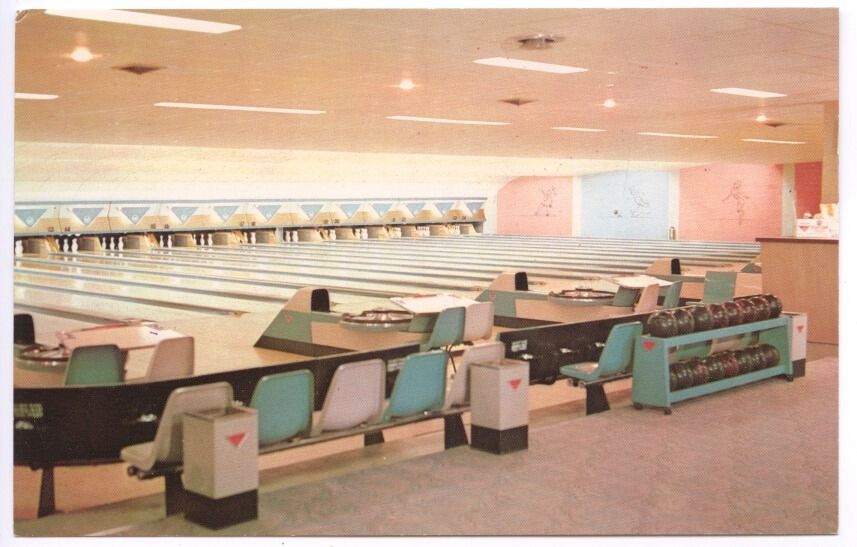
Do you remember when bowling was something millions of us did? The Bowling Boom? Baby Boomers? Millions of us? It kept us off the streets. It was easy, fun, and accessible to nearly everyone. Prior to the automation of bowling in the 1950s, bowling was a more limited pastime with the demeanor of a pool hall. You didn’t have the pin-setting speed you had with the automatics. Pin boys took a lot more time – and they required tips.
Before automation, bowling alleys had pin boys at the end of each lane or a pair of lanes requiring them to move quickly between lanes to keep up with the game. Some houses had one pin boy for four lanes. The job required hours of jumping into the pit to gather pins and return bowling balls for low pay and resetting pins quickly while dodging the obvious hazards like stray bowling ball from disgruntled impatient bowlers if they weren’t fast enough. Being a pin boy was considered a dangerous occupation with broken bones and bruises. My father was a pin boy in Kansas City during the Great Depression and had curved index fingers to prove it.
In the 1940s, a gentleman by the name of Gottfried Schmidt designed and built a prototype automatic pinsetter – which ultimately became the AMF 82-30 pinspotter introduced in 1948. The 82-30 was a clunky, yet pretty reliable pin setting machine, which wound up in bowling centers around the globe. The 82-30 gave way to the more advanced 82-70 and 82-90XL later on, which were clearly better machines.
AMF got the jump on Brunswick Corporation early in the 1950s – which rolled out its original A-Model automatic pinsetter in 1956. Brunswick’s pinsetter was mechanically complex and required extreme expertise in its service with a belt-driven gearbox and a clutch that engaged when a bowling ball hit the pit cushion. Brunswick’s machines had the precision of a Swiss watch.

Although the Brunswick A and A-2 machines were fiercely reliable, they also had issues early in the going. It took time to get them perfected. Originally developed and manufactured by Otis Elevator, which had extensive experience with manufacturing systems, the first 25,000 Brunswick pinsetters were built by Otis.
Bowling was so popular in Japan that Brunswick pinsetters were built there under license to keep up with the demand. By contrast, the AMF 82-30 was a simple all-electric machine with three motors and an electromechanical control unit with a cam, switches, relays and a host of other types of electronic gadgetry to get the timing right.
With the advent of automation, the bowling industry needed a fresh image. Bowling centers popped up nationwide with a fresh “family entertainment” image to maintain. They were new and exciting and became overwhelmed with welcomed business. I vividly remember the post-war bowling boom when established bowling alleys were renovated along with a bumper crop of new centers from coast to coast. My dad was an avid league bowler who maintained a 185 average in sanctioned league play. We were at nearly every grand opening of a new bowling center at the cusp of the 1960s around suburban Washington, D.C.
The passion for bowling was so fierce, and league play so common, that you didn’t have a prayer of finding open lanes between 5 and 10 p.m. any night of the week. The waiting lists were so long that closing time arrived and you never got the lane you waited two hours for.
Did you know there were some 9 million league bowlers in the 1970s with 10,000 bowling centers? Today – at best – 1.3 million with at least 70 percent of that 10,000 gone. How do you explain such a decline? The bowling boom worldwide can be defined as no less than phenomenal. What has happened to the game since the 1960s could also be considered phenomenal.
That said, how could something so popular be so gone a half-century later?
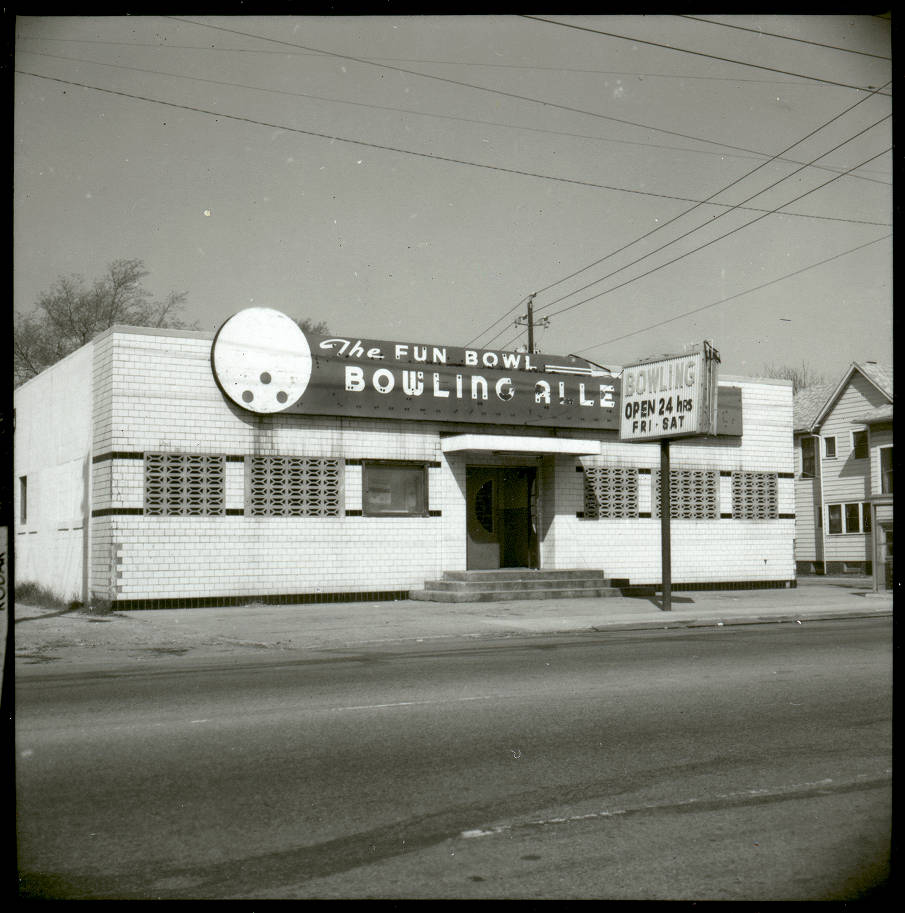
The answer can be found in changing social patterns, work schedules, commitments, and alternate entertainment venues. The internet has created alternate forms of entertainment where people don’t have to leave their homes anymore. There’s even virtual bowling you can do in your living room. I think I will pass on virtual bowling. I prefer a bowling ball and the aroma of lane conditioner, beer, and a snack bar.
I started bowling at age 11 and grew up around bowling. The changes to bowling in my lifetime have been remarkable. I remember the excitement of the game and the atmosphere of my favorite houses. I recall walking into “Bowl America” up on the hill above Odenton, Maryland in the 1960s. The place was quiet with people chatting in anticipation of youth league play on a Saturday morning. We took up 12 lanes in a 34-lane house. The manager would come on the PA system, flip 12 switches, and we’d marvel at the sound of Brunswick A model machines coming to life followed by the symphony of pinfall. It was a magical time to be a kid growing up in the ‘burbs.
Back in the day, bowling centers weren’t just about bowling or shooting pool. They were community gathering spots where friends gathered, ordered burgers, beer, and hotdogs while swapping lies and sharing war stories. Sixty years later, we socialize via cell phones and the internet. Some call this progress.
 Boomer Journey...
I don’t understand why bowling recreation has fallen so far out of favor since 1960-70ish! I love bowling now more than I did back then. The cost has gone up a lot, but I don’t think that’s why. Everything is a lot more expensive now. Any ideas?
LikeLike
I believe distractions and busy schedules mostly. Cost not an issue. I believe back in the day we didn’t have the kind of entertainment we have today. So many ways to stay home and be entertained. This is what is hurting movie theatres.
LikeLiked by 1 person
Choice overload. I was never good at most sports except 10 pin. Bowling. I’ve mentioned there is a huge, high-tech, glitzy bowling alley right here in Gaithersburg. I must go there soon..
LikeLike
We went to the Highlander when we’d cut school. Bowling, pinball and pool. And girls🤣 Bowling suffered the same fate as many, or any activity that required time and practice, two things that fell out of popularity with the rise of instant gratification. Bowling, garage bands, I understand. The ones that get me are the demise of local amusement parks and drive-ins – harmless fresh air social venues.
LikeLike
Wholeheartedly agree. Simple forms of entertainment and face time.
LikeLiked by 1 person