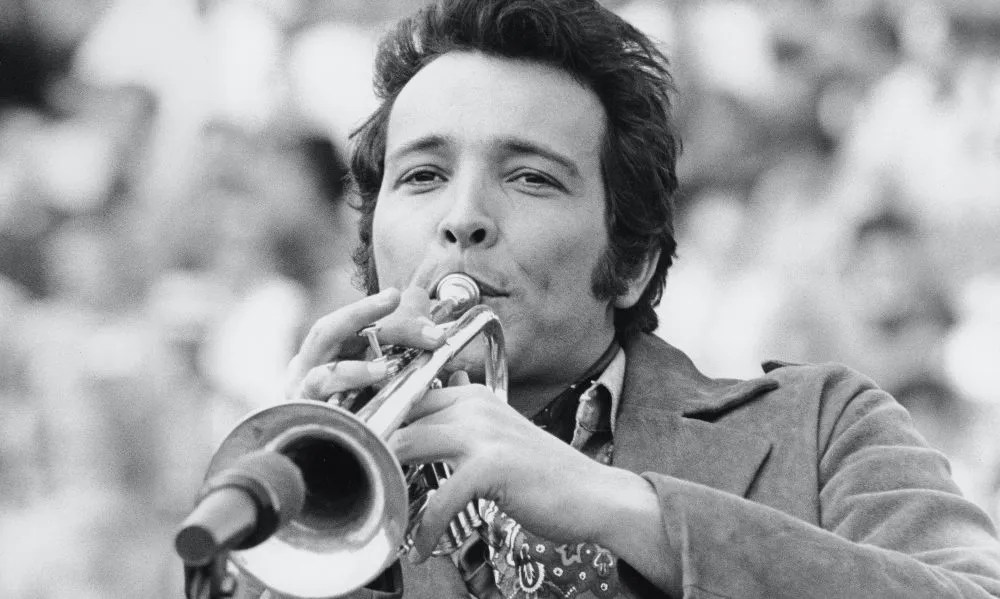
It was a crisp autumn afternoon in my native Maryland. With the rustle of leaves, we arrived home from a shopping trip as the holidays approached. My mother placed a new vinyl record album onto the turntable, featuring a refreshing sound known as “Latin Jazz” by Herb Alpert and The Tijuana Brass (TJB).
In an entertainment venue dominated by popular vocalists such as Andy Williams, Johnny Mathis, Tony Bennett, Matt Monroe, and Frank Sinatra, a fresh and exciting sound emerged from a young man from East Los Angeles, accompanied by musical talent that rocked the entertainment world.
Together, they were inspiring. They made us lust for more.
Herb Alpert teamed up with the late Jerry Moss to conceive A&M Records in 1962, located in the old Charles Chaplin Studios on Le Brea Boulevard in Hollywood, California. Together, they created a recording phenomenon to be reckoned with. Alpert and Moss (A&M) struck a deal with a handshake and a verbal agreement. That’s all they needed. They never had a signed contract but instead became brothers in arms in the decades to follow. It was a business relationship and friendship built on trust. They never wavered from their commitment.
I was just 10 that Saturday afternoon when my mother put the TJB’s “What Now My Love” album on a World War II vintage console photograph. “What Now My Love” was not Alpert’s first recording effort, but only his latest. His work inspired me to play the trumpet. I would listen to his work and try to emulate it on my Bundy trumpet, which to the discontent of my family. That passion for trumpet playing would surrender to a love of automobiles in the 1970s.
That didn’t minimize my love for the TJB.
Herb Alpert’s success was equal to his passion for music. In his career spanning 60 years, he has recorded 28 albums that have appeared on the U.S. Billboard 200 chart of which five have reached Number 1 status. Add to those 14 platinum albums and 15 gold awards. What’s more, Alpert is the sole musician ever to have reached Number 1 on the U.S. Billboard Hot 100 as both a vocalist and an instrumentalist.
He could sing too…
Wikipedia tells us Alpert has sold an estimated 72 million albums worldwide, which includes a Tony Award and eight Grammy Awards. The list of great achievements goes on – including a Grammy Lifetime Achievement Award, Rock & Roll Hall of Fame, and the National Medal of Arts Award from President Barack Obama.
Herb Alpert was born in the Boyle Heights part of East Los Angeles. His parents were Jewish immigrants from Ukraine and Romania (then Radomyshl). His father was a tailor and a mandolin player. His mother, also a musician, taught violin. His older brother, David, was a drummer. He had an older sister, Mimi, who played piano.
At age eight, Alpert applied his breath and lips to the trumpet. By 10th grade, he was well on his way to stardom. When he entered college at USC, he joined the Trojan Marching Band, followed by a stint in the U.S. Army in the 6th Army Band.
At the cusp of the 1960s, Alpert launched his recording career with RCA Records as Dore Alpert. Herb Alpert and Jerry Moss swiftly launched A&M Records to create a recording empire, and the rest is history.
Alpert’s Tijuana Brass was born of a bullfight he attended in Tijuana, Mexico, which inspired the TJB. He heard the crowd roar along with traditional Mariachi music, and it clicked. That experience inspired a musical phenomenon.
That first TJB album, “The Lonely Bull,” spawned decades of great music. A hallmark of Alpert’s style was “overdubbing,” where he accompanied himself slightly off key. “The Lonely Bull” immediately hit Number 6 on the Billboard chart.
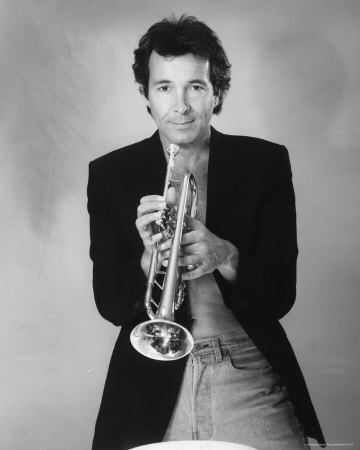
“The Lonely Bull” paved the way to “Whipped Cream & Other Delights,” which became Number 1 in 1966. “Going Places” and “What Now My Love” followed. Alpert’s work could be heard everywhere. You couldn’t walk through a shopping center or a medical building and not hear the TJB.
Turn on any number of game shows or TV commercials and you’d hear the TJB. Even “The Brady Bunch” had moments of the TJB, which accompanied composer Frank De Vol’s composing and conducting efforts.
The pressure of Alpert’s own success led to something of a breakdown in 1969 when he had to take a break from music and disband the TJB. He decided to reach out to Carmine Caruso, a music teacher who had never played a trumpet. He would come to find that the real energy in the trumpet was his own skills and passion.
He returned to the trumpet in the 1970s and has been playing successfully ever since. He was just too good to flounder and fade away. Alpert returned to the spotlight at the cusp of the 1980s with “Rise,” which hit Number 1 on the Billboard charts. His success and notoriety led to a succession of hits in the years to follow, including “Steppin’ Out” in 2013. He and his wife, singer Lani Hall, have been entertaining audiences around the globe in the years since.
To see them live is soul stirring.
In 2024, Alpert formed a new Tijuana Brass and has been performing in 2025. Known as “Herb Alpert & the Tijuana Brass & Other Delights,” they have been delighting audiences from coast to coast.
At age 90 this year, Alpert and his wife Lani of 50+ years, continue to amaze.
 Boomer Journey...
Saw them at the intimate art deco Majestic in Dallas. Amazing. The art, the talk, the riffs. Not to mention the best live drum I’ve ever heard and I was in the music biz working with the top end of the food chain for 45 years. Absolutely stunning what the man brought to music. Karen Carpenter, Rick Wakeman, The Police, Cat Stevens, Carole King. Some of the best music of the 60s, 70s and 80s would have gone unnoticed with Alpert. Not bad for a guy who started out playing a drummer boy in The Ten Commandments.
LikeLike
That would be without Alpert.
LikeLike
One hell of a drummer. Together – phenomenal. I’ve seen them – I think four times. Mostly up close. At 90 – I wonder if Herb can keep this pace. Tony Bennett stayed at it until 94.
LikeLiked by 1 person
Herbie Hancock is 85. Different shtick but Shatner’s like 93.
LikeLike