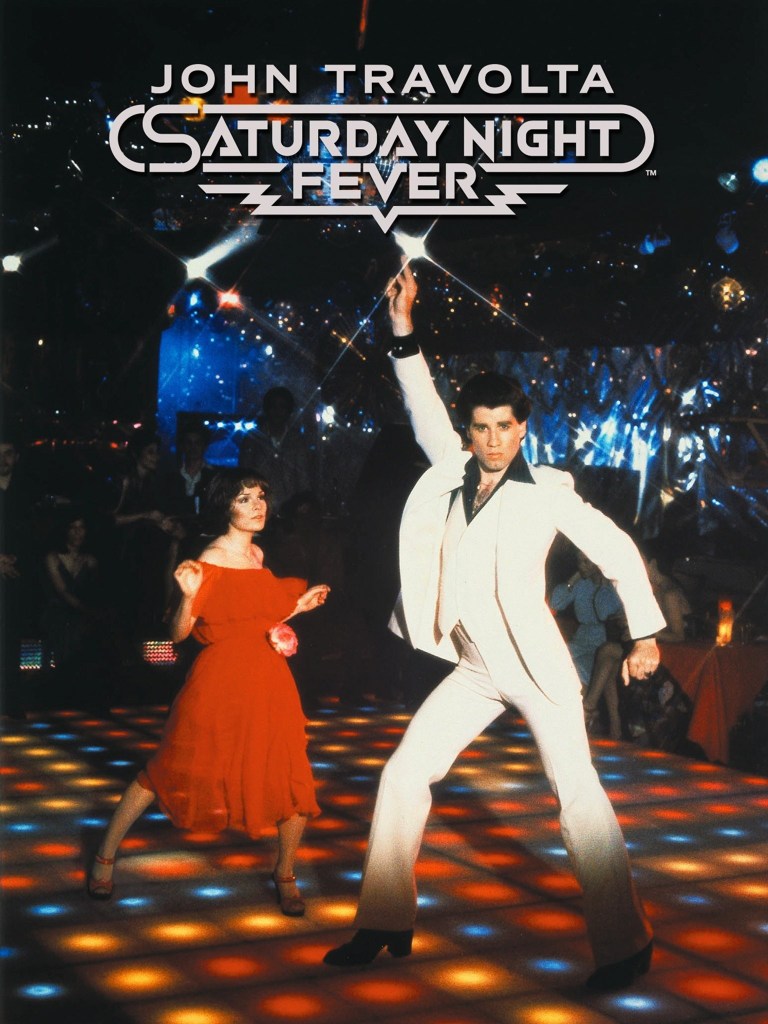
It is impossible to reflect upon the 1970s without thinking of the short-lived disco era. People either loved it or had no use for it. In the mid-1970s, I had no opinion. I walked into an old-fashioned, small-town Oklahoma movie theatre and watched.
More recently, I sat down and watched “Saturday Night Fever” before writing this week’s Boomer Journey to gain inspiration. “Saturday Night Fever” was challenging to watch, if not sickening. It was that bad.
Although “Saturday Night Fever” was a phenomenal hit, earning over $85 million at the box office, with 40 million copies of the Bee Gees soundtrack sold, with a Grammy for “Album of the Year,” it never did it for me.
There are so many really bad Brooklyn cliches throughout that it becomes nauseating to watch. So many exaggerated Brooklyn accents from proven actors that it becomes nearly impossible to watch. None of these talented actors captures the Brooklyn accent authentically. No one in Brooklyn speaks that way.
The “pussy finger” comment from Travolta – at best – was tacky.
Despite the obvious issues, “Saturday Night Fever” put Sweat Hog John Travolta (Welcome Back Kotter) on the map, though his portrayal of a Texas shit kicker oil roughneck in “Urban Cowboy” in 1980 did its share of damage. “I luv ya Sissy….I know I’m prideful…” OMG!!!
Makes you want vomit in a bowl of Texas Chilly.
“Urban Cowboy” countered the great success of “Saturday Night…” though it didn’t do much damage to Travolta’s acting career. “Urban Cowboy” was to country music line dancing what “Saturday Night” was to disco. Although Travolta’s Tony Manero character in “Fever” was a bit overdone, it worked, and it put him in the spotlight as a rising actor. “Saturday Night Fever” was a launch pad for a promising young actor who got an Academy Award Nomination.
Englewood, New Jersey-born Travolta knew how to be Tony Manero. He became the character, embodying the very soul of a young buck coming of age in Brooklyn. He appeared soulless yet cared for his friends. He didn’t soft soap anything. He was to the point and told it like it was. He’d take a punch for any of them. His love-struck sidekick, Annette, (Donna Pescow) was someone he looked out for. He protected her and had the opportunity to take advantage of her in the back seat of a ’64 Chevy hardtop – yet didn’t take the bait. His friends were not that kind.
A lot of us can relate to Tony Manero and his circle of buddies. Tony was searching for purpose and a future. There wasn’t much promise in the future as these working-class people gazed across the East River at the promise of Manhattan. The skyscrapers of Manhattan shadowed by the twin towers of the World Trade Center were where a promising future was. Tony wanted that badly.
“Saturday Night Fever” didn’t sidestep social issues of the times then or now. There was racism, sexual assault, and economic recession a lot of us can relate to. If you’re reading this column, you grew up in those times and can understand the theme of what would otherwise be a boring dance film.
That said, what made “Saturday Night Fever” so successful?
It has been said the Bee Gees’ soundtrack epitomized the disco era – symbolic of this fleeting media phenomenon. The disco era came and went – swiftly, yet we remember it vividly.
I would lay a wager that this soundtrack album still sells.
I personally think the Bee Gees soundtrack contributed greatly to the film’s success. It was also a recipe of the things that make a movie successful – John Travolta’s performance, the musical pinnacle of the disco era, and the future of young people coming of age in an oppressive Brooklyn. Hope and dreams that didn’t appear would ever be realized. So many wound up working stiffs with a half-century of the urban grind ahead of them. It was a storyline a lot of us could relate to.
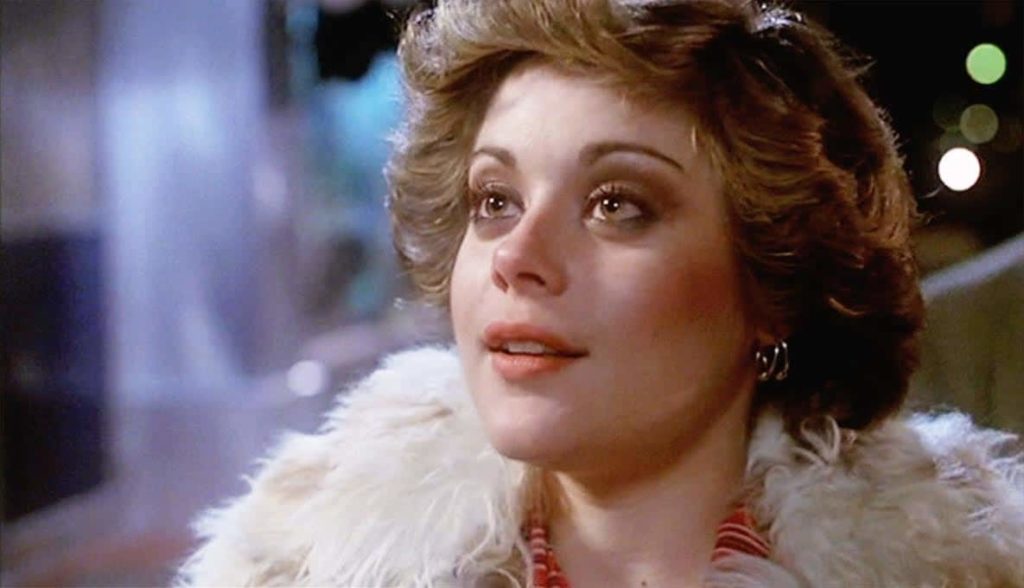
The good news for rising actor, John Travolta, was – this film thrust the native New Yorker into stardom (despite “Urban Cowboy”) and a string of successful flicks to follow. Travolta honed his craft and became a phenomenal actor. Other stars, like Donna Pescow, Karen Lynn Gorney, Barry Miller, Joseph Cali, Martin Shaker, and a host of others got their start in “Saturday Night Fever” and moved on to other venues in the years to follow. “Stayin’ Alive” was a logical follow-up to “Saturday Night,” but the concept had pretty much passed its prime.
If you’re like a lot of us, you remember the time quite well, no matter where you grew up and came of age at the time. “Saturday Night Fever” enabled us to watch, absorb, and take a look at our own lives.
 Boomer Journey...
I had a character tell another “You have a BeeGees tape? Man, don’t you know that (poop) will turn your brain into oatmeal?” “Yeah, but chicks dig it.” I never made it through SNF. I’ve see;it all in pieces but never a sit through. The trope can be found elsewhere, equally gag worthy, sans disco. Travolta is successful in spite of putting up one of Hollywood’s longest list of used dog food movies. Whew…
LikeLike
Phil – agree on all points. I’ve never been able to sit through the entire film either. Just did in order to get a feel for it.
LikeLiked by 1 person
Disco. How did we make it through those few years? Travolta, sort of a hack actor, made for tv sitcom. I thought Pescow’s performance was better. The Bee Gee’s, geez.
LikeLike
Absolutely agree. Travolta’s acting in Saturday Night was below par. Donna was pretty good. The Bee Gees stuck and endured.
LikeLiked by 1 person
Momo and I tried to watch that movie a few months back, just for old time sake. the best scene was the opening with Tony strutting down the street with the paint can, the rest…nah.
LikeLiked by 1 person
Agreed – it is the power and the ego of the opening theme. Tony in pace with the Bee Gees. New York as we all remember it.
LikeLike