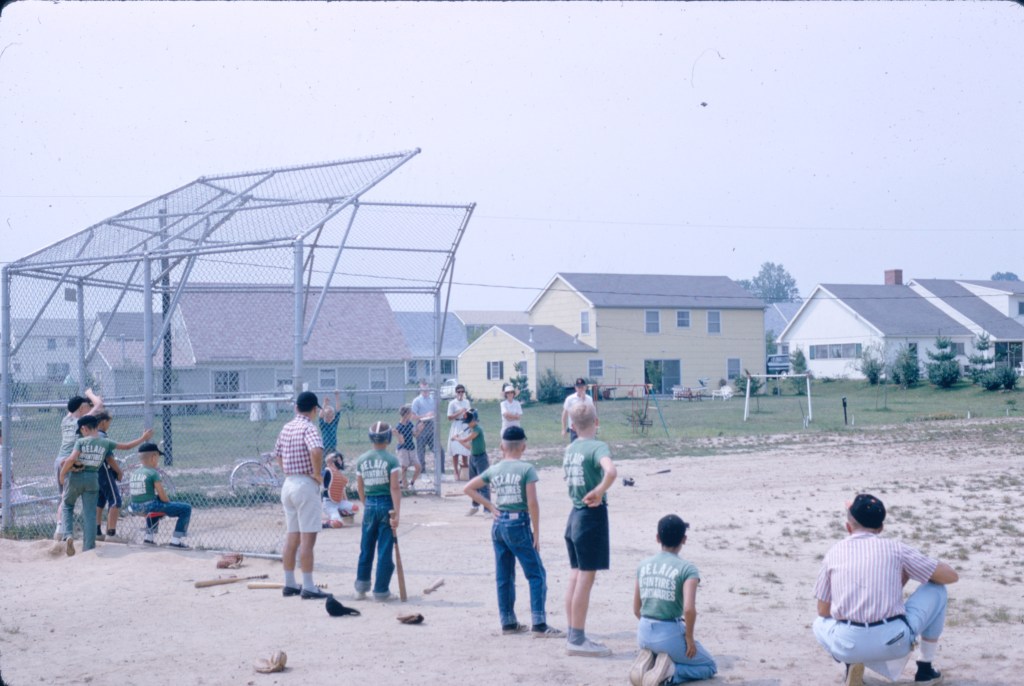
I am thankful for having lived the era in which we all grew up – the post-war years. When I was a kid growing up in the 1960s, America was on the rise, we were headed to the moon, and there seemed no end to the great things we could achieve together.
One of those great American achievements was Suburbia, which enabled families to get out of the cities and into safe and secure communities. It gave most of us a nicer place in which to grow up. Aside from a few neighborhood bullies, it could be considered safe. Most suburban areas brought us new well-maintained schools, playgrounds, parks, community centers, and places of worship.
Crime was considered an “urban” problem.
Acres of vacant land became newly erected shopping centers with retail stores we grew to know and trust. Many are gone today. Shopping was a family tradition. Grand openings were routine. We never had to want for anything because it was all provided in abundance, with easy access within a few minutes of the house.
I was born in Northwest D.C. and grew up around the district line. I did a horrible D.C. commute for work in the 1970s, entered the USAF, and left D.C. behind. The irony is I couldn’t wait to get out of D.C., which is strange considering I find myself homesick for a place that no longer exists.
The great American pastime growing up was driving around suburbia touring model homes and apartments. Developers were everywhere, seeking out their slice of the American Pie – which was either profitable or a huge bust.
There were weekends where we’d visit my aunt, uncle, and cousins over in Wheaton one hour away. There was that tedious drive over to Arlington to see my grandparents before the freeways were built. We’d head down U.S. 50 to New York Avenue and follow a bizarre path into the District around the Lincoln Memorial, across Memorial Bridge to Arlington to Washington & Lee Apartments.
My grandparents were retired and shared friendships with retired blue hairs at the apartments – which was where I cultivated a deep love of old people. at such a young age, I loved their stories and felt such profound sadness at their eyes, wondering what happened in a life suddenly behind them.
Today – at 70 – I can relate to their emotions.
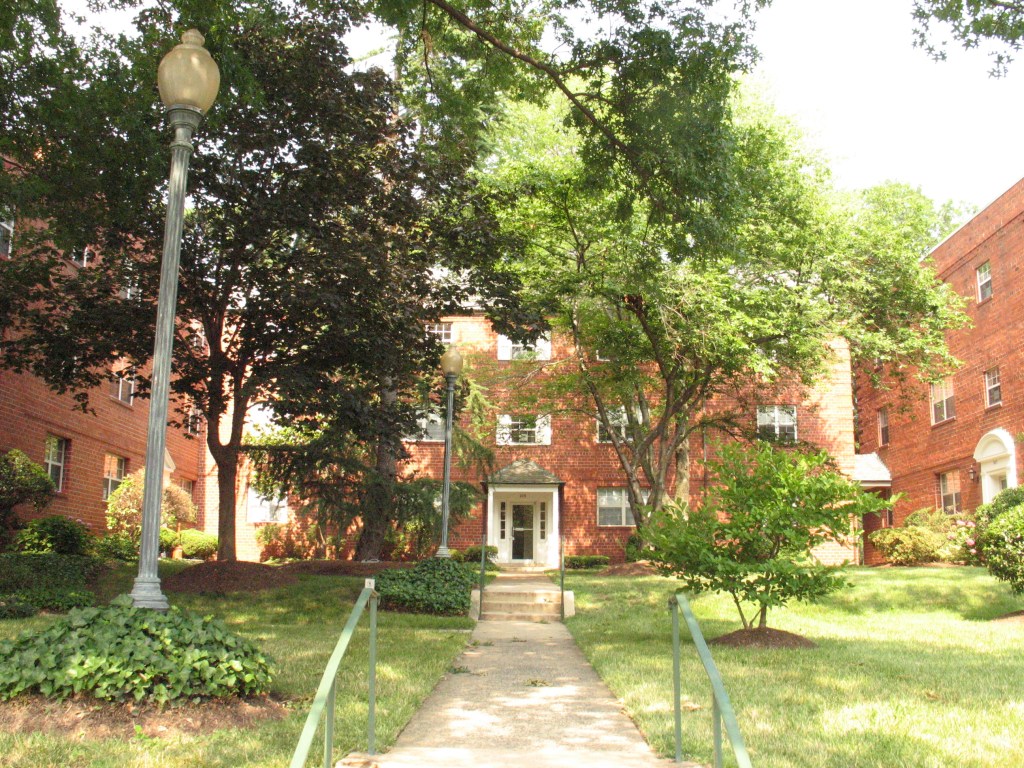
Washington & Lee Apartments at the intersection of Arlington and Washington boulevards is a charming period apartment complex that came of the Federal Housing Act enacted in WWII. It has been a safe home and harbor for untold thousands of tenants for 80 years. It was home to my family long ago.
When we were living in Lanham/New Carrollton, Maryland in the early 1960s, my folks decided to drive out to the country for a look at a new Levitt & Sons community – “Belair At Bowie” – which was little more than seven model homes along Maryland’s Route 50 (now 450) near Bowie, Maryland.
Developer William “Bill” Levitt of Levittown fame knew what he was doing. What seemed a forgotten place in the middle of nowhere was opportunity waiting to be realized. Levitt purchased 17,000 acres of rich farmland that included the iconic Belair Mansion and stables that Levitt left untouched.
Levitt’s Belair was located where the new John Hanson Highway (Route 50) would unfold as the Washington-Annapolis Expressway at the intersection of Maryland’s Route 3/301 North to Baltimore. You could jump on the new Route 50 and be in D.C. in 30 minutes. Ditto for Baltimore and Annapolis.
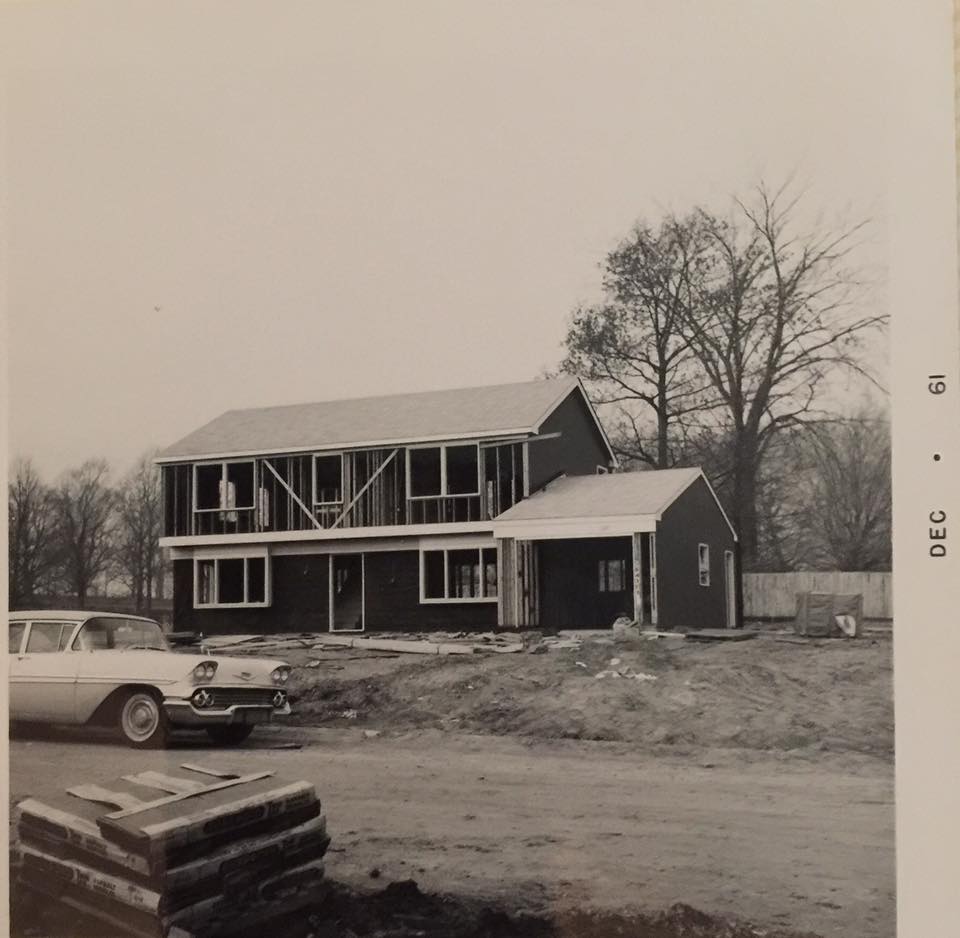
Image Courtesy Sue Emery Manganaro, circa 1961, in the Somerset Section of a new Belair At Bowie community by Levitt & Sons.
The quiet and innocence wouldn’t last long. By 1966, Bowie was the fastest growing city in the United States, with more than 9,000 homes before Levitt wrapped in 1969. Belair was where I grew up and came of age in the 1970s. Those who never left Bowie wonder what happened to the relative peace and quiet of suburbia.


Like you, I was born in DC (although several years earlier)and spent much of my youth in town with my grandparents, who lived in apartment buildings. Moving to the suburbs was a strange and freeing experience at a tender age. Car trips into town took “forever.” Then, in 1961 or 62, my aunt and uncle bought a lot and house to be built in Belair on Botany Lane. It was a muddy mess, but seemed to be the up and coming community of the future. A few years later in 1964, my dad and stepmother bought a house on Safety Turn and I moved to Belair in the summer of 1965. Life was forever changed for me. I started BHS when it opened. I have looked back and wonder how the world has changed so much since then. Nostalgia keeps me company often.
LikeLike
I can relate Wendy. Those exhausting trips to Arlington via D.C. because there were no freeways then – and the Beltway would not have helped. I grew up in Chapel Forge on Chesney Lane and became a man there. Been back to Bowie a few times since and Belair is an old old community now. I know how you feel…
LikeLike
That old adage about you can’t go home is true. Because what it was, isn’t. Oh, some of it is still there, but when you grew up where the horizon is off in the haze the sprawl and the decaying donut are realities until a new generation gets tired of the commute. And every city had those boxy Edwardian brick apartment complexes, now only memories found in film noir. I had one on my paper route. Creepy. They smelled like mold and pee and old people, even in the heart of the burbs. Once a safe haven, turned into a good place to experience a demented flasher…
LikeLike