As baby boomers segue into the twilight, we’re finding ourselves in a vastly different world than the one in which we grew up. Despite the great advances in technology and being able to order goods online and have them in 24 hours, there’s a certain euphoria that goes with the thrill of an in-store buying experience.
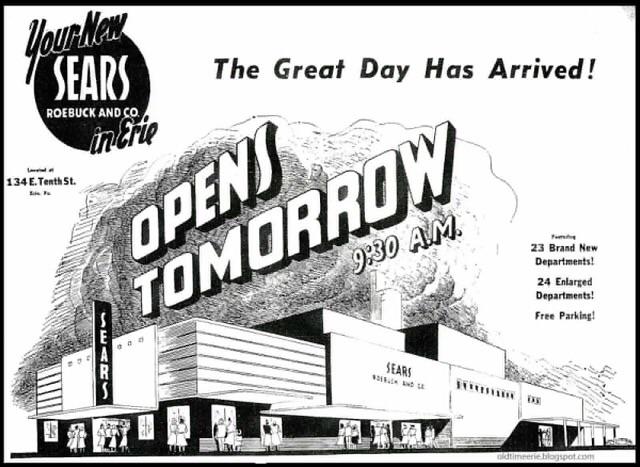
Touching. Smelling. Taking it all in. Carrying it to the checkout and being greeted with a smile. Or…ordering something mail order out of the SEARS catalog and watching for the mail carrier.
Do you remember that?
I certainly do…
I think of SEARS, Montgomery Ward, W.T. Grant, Woolworth’s, S.S. Kresge, Hecht’s, Mervyn’s, Famous-Barr, and a host of other retail giants that are gone today.
The thrill of waiting…the anticipation…is gone…
We’ve suffered the unfortunate loss of great retail names never to return. SEARS is easily the greatest American retail tragedy considering the potential it had and what it might have been given leadership with vision and an interest in the greater good.
SEARS invented mail order buying more than 100 years ago. This is what gave SEARS the edge over Amazon decades ago. SEARS already had the home court advantage because it knew the turf and how to dominate the market.
SEARS made it easier for those living in rural communities to get what they needed without having to drive to the city. In fact, there was a euphoria that went with waiting a couple of weeks for a mail order purchase to arrive. You had to wait – and the anticipation was enormous. As a kid, it was like waiting for Christmas Morning. Raw anticipation was good – and it taught us to be patient and how to wait.
We don’t know how to wait patiently anymore.
Amazon Prime gets it to you yesterday. What’s not to like about that – right? I can tell you…this is not a good thing despite our obsession with immediate gratification these days. This approach to retail has inspired us to be impatient – unwilling to wait.
It has become a form of addiction.
We want what we want when we want!
This is not a good thing either. Why? Because, long term, retailers we’ve come to know will be gone due to tough competition and Amazon will be the sole survivor along with Walmart. It will swiftly become a “Don’t like our lousy service? Too bad…” Bedford Falls becomes Potterville and the buying public, long accustomed to getting it now, becomes royally screwed. This is the time to become independent and be willing to wait.
Best we prepare for coming monopoly and return to the old- fashioned approach to retail buying and be willing to wait. Blow the dust off your car’s dashboard, or your favorite catalog, and try buying the way we all remember.
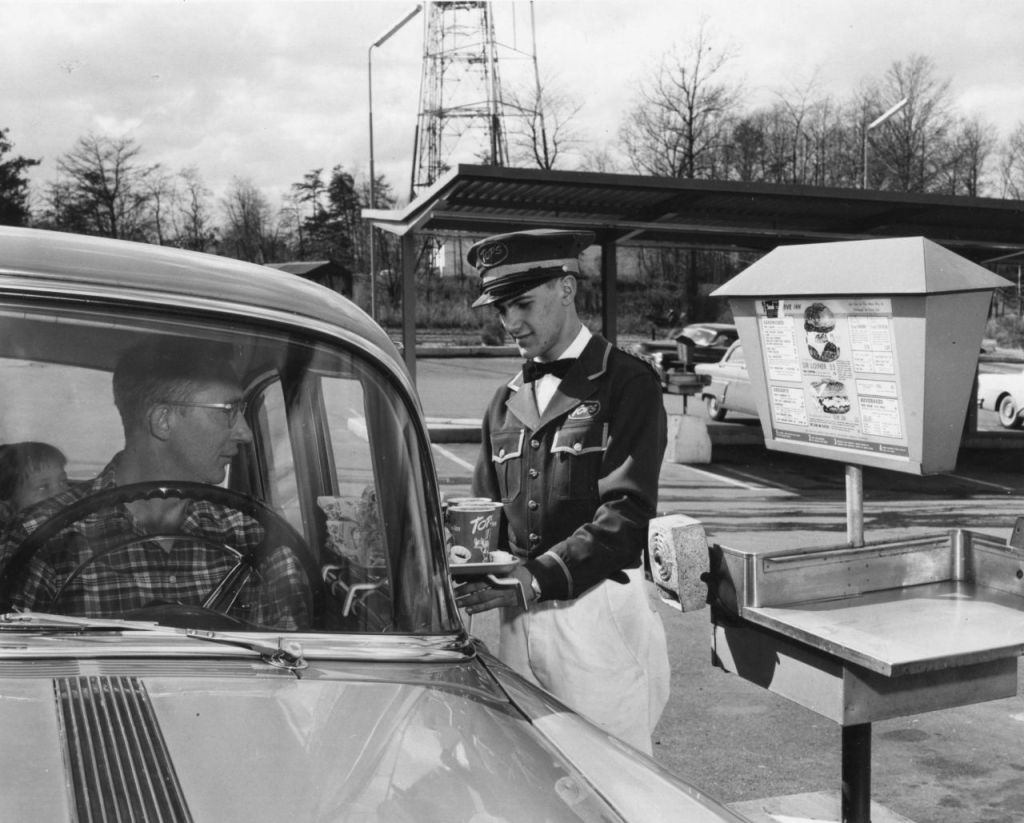
I don’t know about you, but it seems we eat a lot of fast food today. When I was a kid, fast food was a rare treat – not a matter of habit. For us, it was McDonald’s or Washington, D.C.’s very own “Little Tavern Hamburgers,” which were on a par with White Castles in the Midwest.
Because I was a kid, I hated Little Tavern burgers because they were laced with onions, which any kid knows, are not from this planet. Few kids will eat them. I always had to scrape the onions off yet the onion flavor remained. Sometimes, the ol’ man would bring home burgers from the Club 602 on his way home from work on a Friday – which were on a par with good bowling alley cuisine.
What made McDonald’s America’s favorite in those days were the basics of fast food – burgers, fries, and a shake all for under a buck – food the average American family could afford. Such is not the way of McDonald’s today. For a family of four, for example, a trip to McDonald’s or any other fast food joint is at least $40 – unheard of a half century ago. In the 1960s, $40 was a grocery bill.
McDonald’s and Burger King grew way beyond their original intended markets and have taken a lot for granted in the years since, with menus so involved today it is an exhausting read at best. It takes a logistics manager to even begin to understand any of it.
This really isn’t having it your way.
The best fast food bargain out there remains Southern California born “In-N-Out Burger” – which is catching on across the country as people flee California for more affordable lifestyles in places like Tennessee, Texas, and Georgia. In-N-Out Burger never forgot what it is in business for. It never left its core consumer group – people who want a simple burger, fries, and a drink for under $10 – and that’s in the wake of significant recent inflationary price increases.
McDonald’s, Burger King and the other big guns are always conducting consumer product testing – products that come and go for “a limited time only…” You get used to a product and suddenly it is gone. Well, who the heck wants that? Certainly not me. I am a creature of habit. I have a hard enough time breaking in a new toilet seat let alone seeing a favorite vanish from the food menu.
In-N-Out as well as other regional burger chains, never abandoned their core market. Another good example is Sonic drive-ins, which was born in the American heartland. Sonic never abandoned its core customer – people who want a simple menu that’s easy to navigate. Dairy Queen is another terrific example of how to treat the consumer. It continues to offer a simple menu and there’s always plenty to choose from.
What baby boomers enjoyed long ago is something young people miss out on today because they’ve never lived it. What made our treks to drive-ins and fast food establishments was the rare nature of these terrific outings. They didn’t happen very often and, when they did, they were thrilling instead of us thinking of it as an entitlement.
Have you ever wondered whatever happened to simple conversation – without the use of a cell phone or some other form of electronics? I am as guilty of it as the next person. Someone texts you with the words, “Call Me…” and you’re thinking “What?! Call You?!” This is how bad it has become. We have time to do a lengthy text, but no time to talk?
This constant, tiresome obsession with cellular communication instead of the fine art of time-proven good conversation. Well – personally – I’ve had enough of it – and doing a lot of soul searching as this is written. It is time to make constructive changes in my personal life because texting, messaging, and emailing as a matter of habit just isn’t a healthy lifestyle.
You’re never really with anyone because they’re constantly consumed with their cell phone. You’re in a restaurant with a friend or sitting at home with family member and it’s like you’re not even there. They’re so engrossed with this handheld device to the point to where you get up and leave the room and they don’t even notice you are gone.
This preoccupation with cell phones and electronic devices is an acute form of sociological mental illness. You see it everywhere. Televisions, cell phones, tablets, and other forms of electronics consume attention to where we aren’t even connected anymore. That’s exactly what the puppeteers want – electronic brainwashing because it works so well.
For a society so connected – we are so very disconnected.
Remember when Blackberry pagers were known as “Crackberries?” The cell phone has become an unhealthy form of emotional addiction. It divides people much as social media has. We have all kinds of courage to be rude and insulting on a keyboard – that is until we meet the person face to face. Then, we’re falling all over ourselves apologizing – however, the damage is done.
What to do about this if you’re on the outside or so obsessed with cell phone communication that you can’t put yours down? You’re going to have to go at it cold turkey and begin the withdrawal process by putting yours down. Leave it in the next room or hidden in your car. Encourage those around you to put theirs down too. Good luck on that one because the addiction is deep.
It has become so absurd to where if you don’t respond immediately, the sender goes off the deep end emotionally. Forget explaining to them the days when you would leave a message to expect to wait for a response. We want that response right now. Consider the days when you’d write a letter (I miss getting letters) and it could be weeks before you’d see a response.
I often wonder…what did we do before we had cell phones, tablets, and laptops? We walked down the street or picked up the landline.
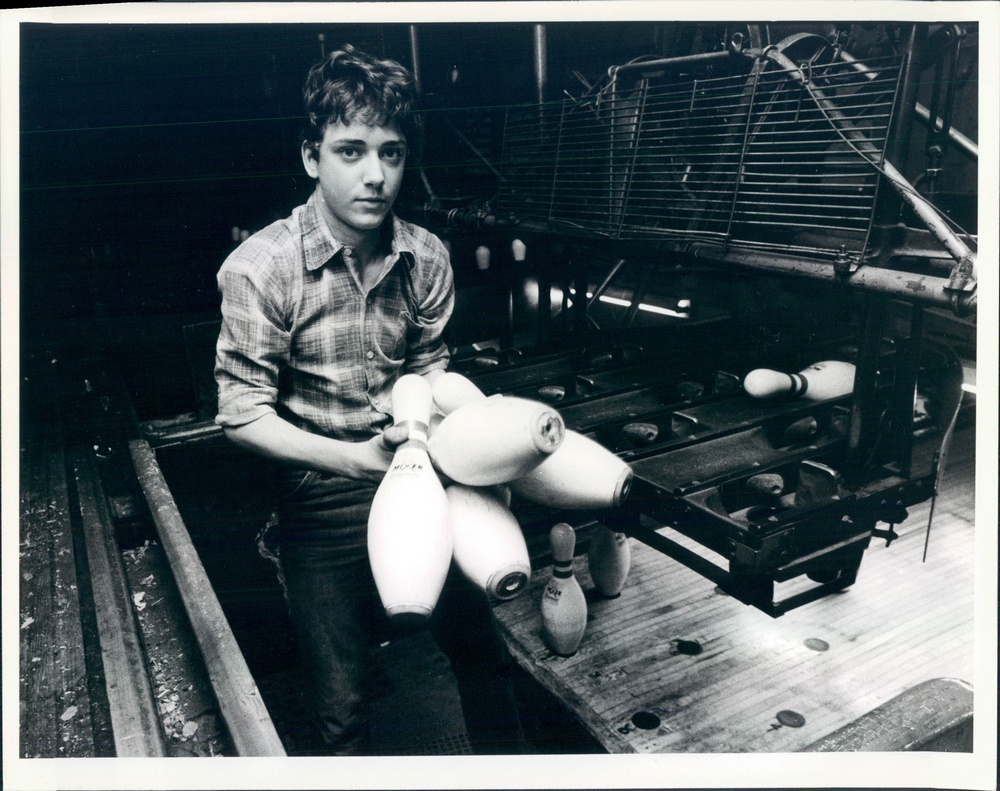
Bowling Alleys are among my favorite childhood memories. I was born in 1956 – fortunate for having been born then. Some of my first memories of life were bowling alleys. My dad was a dedicated league bowler and he did so two to three times a week much to the chagrin of my mother. With enough cattle prodding from her, he was eventually down to one league a week.
I was born during the emergence of the big mid-century bowling boom – which came of the automation of the game and the demise of the humble hardworking pin boy. No more waiting. No tips. And the raw excitement of the game in those days.
It was a wonderful time to be young and alive.
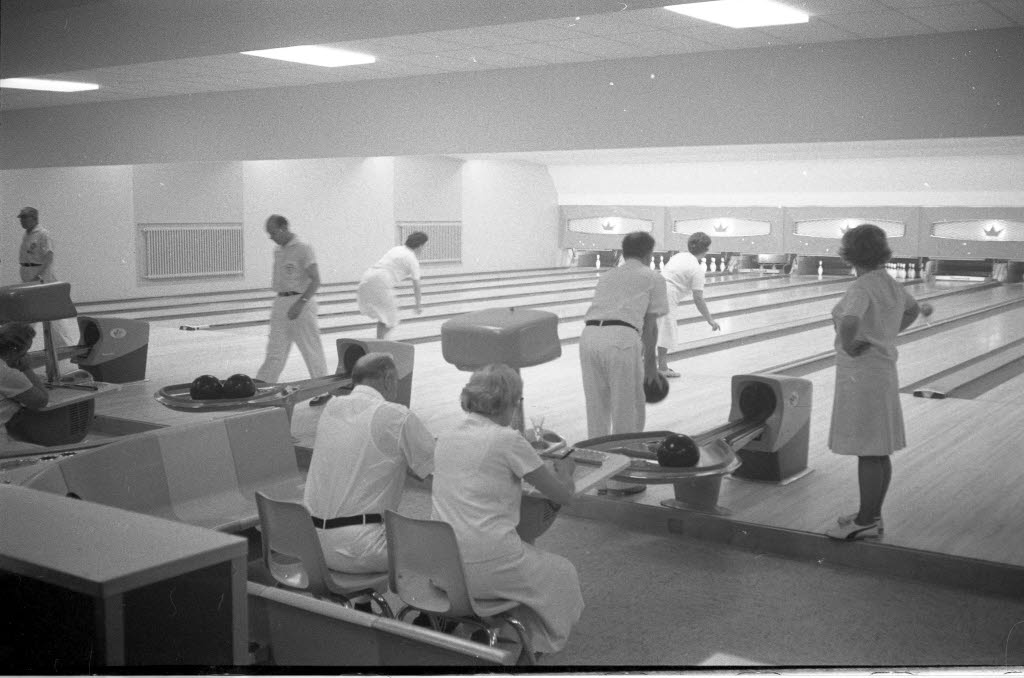
Modern bowling centers were many at the cusp of the 1960s – bright, colorful, and designed to entice the bowling public. Some houses were open around the clock – especially where factories were. Though the look is dated by today’s standards, it still excites bowlers who remember a different time in America. We were on the grow and headed to the Moon. Design trends followed that vision. Bowling centers were futuristic in their design – with striking masking units, ball returns, telescores, and wraparound seating. They were terrific community gathering spots even if you didn’t bowl. You could visit with friends, sip a beer, down a hot dog, and swap lies with great friends.
Bowling alleys offered the best food in town – burgers on the grille, hot dogs, crispy fries, hot apple pie, plenty of beer, and fast-quick turnaround for hungry keglers between frames. Most houses had billiard rooms with at least four pool tables where you could shoot pool when bowling just wasn’t your thing or to relax after a league. There were nurseries for those who didn’t have anywhere else to ditch the pesky little particles – which was where a lot of us spent our time while the parents bowled and spent time working on their game.
Bowling was all over the airwaves. “Bowling For Dollars,” “Championship Bowling,” and ABC’s “Professional Bowlers Tour,” which aired for 35 years on Saturday afternoons to infuse live entertainment into your winter afternoon. My father and I would watch – and witnessed historic moments in bowling history – the 300 games, 7-10 split conversions, and a host of other moments.
I personally went to an airing of the Professional Bowlers Tour – the Fair Lanes Open – at Springfield, Virginia in February of 1972. It was quite a rush on a cold winter day seeing it all live and in person. I shook hands with Chris Schinkel and Billy Welu who hosted the Pro Bowlers Tour in those days. Sadly – we lost Welu to a massive heart attack two years later. He was replaced by Nelson Burton, Jr. who provided commentary for decades to follow. The once very popular Pro Bowlers Tour declined in the ratings, and ABC dropped it and the Wide World of Sports in the mid-1990s.
The Professional Bowlers Association (PBA), in search of viewers, has become more like World Wrestling, with professional bowlers yelling at the pins and getting into fits of rage in order to keep and maintain an audience. Despite all the fanfare, the results are marginal at best. Those of us who remember ABC’s Professional Bowlers Tour are not impressed nor inclined to tune in.
The decline of bowling in the past couple of decades can be attributed to the distraction from other entertainment venues and the lack of commitment to bowling leagues, which are the life’s blood of any bowling center. Seems people just don’t have time for bowling leagues and that sweet connection to others anymore. To me, an avid bowler at one time with a 185-195 average in league play, it was everything to turn out on a weeknight, hook up with friends, and experience the euphoria of a solid pocket hit.
Ten in the pit – thank you very much.
When I was 10, my dad would take me out to Odenton, Maryland for a Saturday morning youth league up on the hill above Maryland’s Route 175. Such anticipation I tell you. We would walk into the building and the place was dead quiet with the din of a handful of youngsters waiting to bowl. Counter personnel would announce practice bowling, you’d hear twelve Brunswick machines wake up with that familiar turret belt whine, and the game was on.
We had a terrific time.
There were two bowling centers in Odenton in those days – Mr. & Mrs. Q’s “Bowl-A-Rama” on 170 (now Greenway Bowl). Bowl America up on the hill above Odenton where I bowled with dozens of others was the better of the two houses in those days. Bowl America was a Brunswick house with 34 Gold Crown lanes clad in mid-century aqua pastels. Bowl-A-Rama was an AMF house with 40 lanes – 16 of them duckpins popular in the mid-Atlantic. Bowling chains like Bowl America, Fair Lanes, and a host of others have fallen on hard times and the decline of business. Bowlero has capitalized on this decline by acquiring existing centers and reinventing the bowling experience.
If you remember bowling more than a half-century ago, you remember the distinct differences between Brunswick and AMF houses. The acoustics of a Brunswick house was low frequency rumble as balls hit the pins. It was Brunswick’s long wooden kickbacks and the pit acoustics of A-Model pinsetters that made them sound that way.
AMF centers were more high frequency – with a light and airy sound with wooden and steel kickbacks to get that level of acoustics. In fact, AMFlite II bowling pins had a higher pitch “ring” than the competition. A house full of new AMFlite pins yielded a deafening decibel level until the pins became seasoned and settled. AMF lanes were low profile with a short step-up. The approaches had colorful dots, which made it easier to position yourself. Brunswick lanes were taller with a rubber mat to catch snack bar crumbs and debris. These mats had a layout of the pin deck.
Baby Boomers have lived through an incredible time in history – with the excitement of the bowling boom among the memories.
Three bicycles have been through our home – quite possibly more – purchased for our son to enjoy. All of them went to Salvation Army – virtually unused. Kids today – live in “virtual reality” instead of reality – you know – the actual world we live in? When video games end tragically, you get to start over again and live to fight another day.
No harm, no foul.
This is one reason why young people aren’t coping with REALITY. They don’t handle disappointment very well. They’ve never been taught how to deal with disappointment. Boomers have indulged them with all kinds of pacifiers in our quest to be popular instead of good solid consistent parenting.
I do not want to rag on young people. I have been a “young people.” I rode my bike all over the place. I fell and skinned my knees. I got up and brushed myself off. And – when I was old enough to secure employment – I went out and got a job. I mowed grass and I pumped gas. Because I was a snot-nosed stupid kid, I got fired too. I had a lot to learn about how to keep a job. I took Driver’s Education and got my first car. In baby steps, I learned how to make my way. There were a lot of setbacks – poor decisions that adversely affected my youth.
Life can be educational.
When I was 20 and between jobs, my mother gave me a talking to. She called me a bum and told me to get off my backside and find work. I did. My ego was bruised. However, it was incentive to grow up and find steady full-time work. No one – including my mother – was going to call me a bum and get away with it. It was at that time I began thinking about what I wanted to do in life. I joined the U.S. Air Force because I had a passion for aviation. I wanted to work on jets. I needed guidance to learn what to do when my enlistment with Uncle Sam was up. It was a miserable learning curve. I had a lot to learn. When you are very young, you think you have all kinds of time.
You don’t…
A word to the wise for those raising kids and grandkids. Prepare your kids for life or expect them to fail. Be a great mentor and parent. I tend to be a tough father – not to be mean – but to prepare our teenaged son for life. We are late in life parents who adopted a newborn at 50+. I want our son prepared for the world out there, which isn’t going to care what he wants. It will slap him around, hurt his feelings, and hand him his posterior.
In our day when Baby Boomers and GEN-Xers were young, we went outside and played with each other in the street. We got together and connected – and without cells phones and PCs. We had a good time in a mid-century form of social media on the playground.
What have we been teaching our young? Be honest. Electronic entertainment became a babysitter for Boomers and X-ers who don’t always like being bothered with parenting (you know this is true). Not everyone will agree – but I believe this is why we have spoiled entitled millennials who aren’t coping with disappointment very well.
And yes – we are to blame.
But – consider this. What if we would have had video games and electronic media 60 years ago? Would we have fallen into the same trap as our kids and grandkids?
You bet we would have.
One of the greatest things you can teach your young is WORK ETHIC. The value of a dollar and what it takes to earn it. Teach them life isn’t an endless supply of cash and instant gratification. Show them how important it is for them to plan ahead and learn to wait for things. We also need to teach them compassion for others. We’ve become so self-absorbed to where the masses just don’t even know how to do it.
What we haven’t given our offspring is our time. We’ve spoiled them with material goods, playthings, and everything they’ve ever wanted. That is what has made them feel “entitled.”
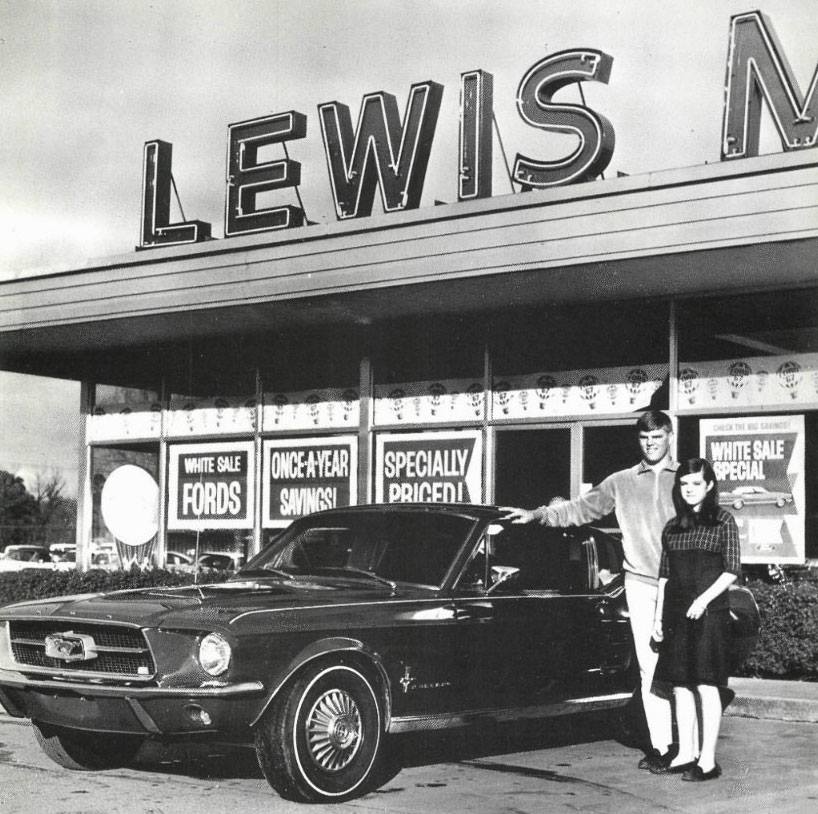
If you’ve been around a while, you remember the thrill of a new car when you were a kid in the 1960s. The aroma of fresh vinyl and new carpet gassing off along with glistening chrome and new paint. I remember the aroma of paint burning off of hot exhaust manifolds. The new car experience a half-century ago was nothing like today where one model year blends into the next void of the fanfare and excitement we knew growing up. Each fall, new car dealers papered up their windows and the new model year rollout was a big secret.
If you loved automobiles, you went to the newsstand to check out the new models in MotorTrend and Car & Driver – then – headed to the dealers to see the new models on introduction day. It was a tradition and a big deal in these United States. The airwaves were alive with car commercials. TV shows highlighted the new models by making them characters in the show. Who can forget the Andy of Mayberry and all the new Fords – or “Bewitched” with Corvettes, Camaros, and Chevelles. Astronaut Major Tony Nelson in “I Dream of Jeannie” always had new Pontiacs. Who could even look at the GTOs with the distraction of Barbara Eden parading across the screen?
Every fall on “Dealer Row” in each community was a festive event with an abundance of exciting teasers to lure buyers into the showroom, “What will it take to put you in a new Ford today?” Lots of goodies for the kids – free stuff. The powerful influence of spouses who wanted to replace the family car with something a little more sporty or luxurious.
It is funny to remember how guarded our parents were with a new car. No food or drink. Get your feet off the seat backs. Stop playing with the switches and buttons. The endless battle over who got the window and who didn’t. And – that dreaded roadside spanking.
By the way – our car culture is as strong as it ever was. People like being seen in new cars and trucks. They like to get them home and dress them up with accessories. Placing your hands on the wheel of a new vehicle exudes a special kind of high – motoring away from a dealership. The euphoria of a new car and the anxiety of car payments. We ride those payments out for five years, just in time to start the payment cycle all over again.
The way dealers sell vehicles and the way we buy them is changing. Automakers are slowly abandoning their dealers and opting instead for you to buy direct. There’s also abandoning volume, building fewer vehicles, and making them more expensive. This is the new automotive economics as we crest the mid-2020s. Hard to know what’s next. I’ve noticed in recent years dealer stocks are loaded with well-appointed vehicles when I’d be happier with fewer options. To order a new vehicle is a very expensive proposition.
These days, people tend to lease new vehicles. Dealers call it “Smell new every two…” Less of a commitment that way. Don’t get too attached and watch your mileage.
Now me – I’ve always bought new cars for the long haul. I think the best automotive investment is the vehicle you buy new and drive 300,000 miles for 15-20 years. Clean fluids and lubrication along with regular preventative maintenance are the best investment you can make for longevity. It remains the best way to buy a new car.
Y’Know – we didn’t have much growing up in the 1960s and 1970s. We didn’t have video games or big screen televisions. We didn’t have a lot of the luxury kids have today.
Yet – we were happy.
We played ball – both kickball and baseball. We had soccer too. We rode our bikes all over the place – sometimes miles away (especially if our parents didn’t know about it). We had the woods. We played in the dirt and carved out cities and streets. We had a ball living with only our imaginations, being anything we wanted to be.
As we grew up – we had bowling, billiards, teen activities on Friday nights, movies, drag racing at local racetracks, and…..oh the concerts and great music! We had the Washington Senators baseball and our beloved REDSKINS. If you grew up in the Mid-Atlantic, you will understand the passion, insanity, madness, and loyalty to these teams. If you leaned toward Baltimore – you had the O’s and the Colts (yes…The Colts). And – let’s not ever forget basketball – The Capitol Bullets. Political Correctness changed that – and The Redskins… (The Washington Commanders? Seriously?????).
This was the beauty of living between Washington and Baltimore. You had a choice of big town hometowns – either Washington or Baltimore – and sometimes both. Depending upon how well your home team was doing, you could always switch. Redskins fans will understand that.
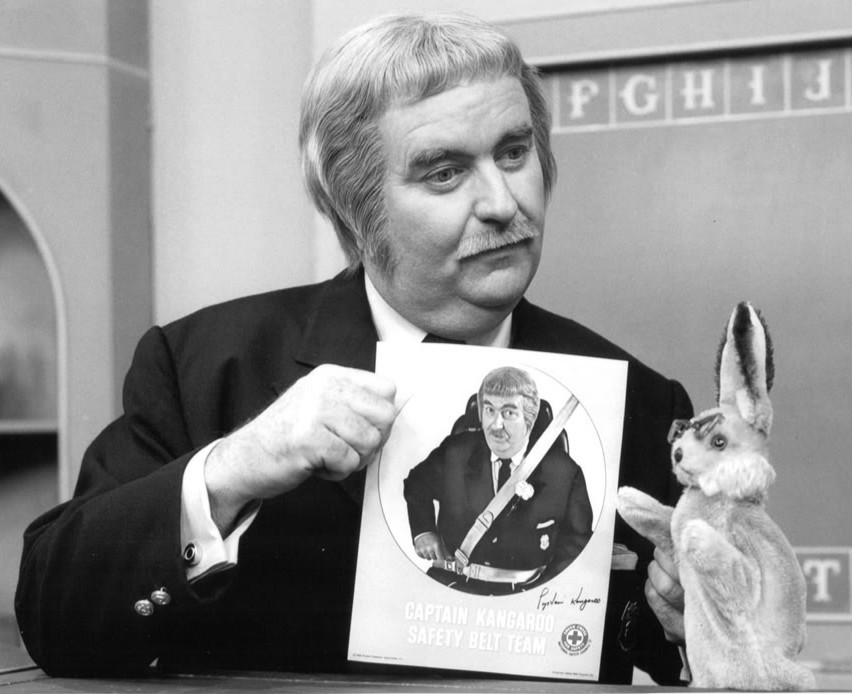
As young boomers, we had our precious imaginations. We could mentally go anywhere and be anything. Just imagine….and remember… At 60+, we tend to want to act on our imaginations. On television – we had the greatest cartoons in history. We had “The Captain” – “The Best to You Each Morning” from actor and mentor Bob Keeshan who brought us into the Treasure House as Captain Kangaroo. We watched, listened, and learned before school. That is…before CBS decided to minimize The Captain’s influence and fill that time slot with the morning news.
In the evenings, we had great comedy and futuristic programming. There were the odd-duck sitcoms like “I Dream of Jeannie,” “Mister Ed,” “Bewitched,” and a host of others where one or two people knew the big secret. Because the future was ours to hold, there were the science fiction programs like “Lost In Space” and “Time Tunnel” to keep us imaginative and entertained. Thank goodness for great imaginations in Hollywood, which has never been short on imagination.
If you loved Westerns – there was plenty to see every night.
“The News” was….well…..THE NEWS… Respected commentators and reporters told us what happened – and without opinion and a panel of pundits. Thirty Minutes of network and give or take – an hour of local news. They reported what happened without opinion or editorializing. We had Louie Allen or Gordon Barnes with The Weather in Washington, D.C. We had Glenn Rinker and Jim Vance at WRC -TV (NBC). We had Gordon Peterson at WTOP (now WUSA). And if you wanted a good laugh along with News Weather & Sports – there was sportscaster Glenn Brenner at Channel 9. Always good for laughs and great entertainment along with the news.
I could go on…. We all remember growing up in America in the 1960s and 1970s. We couldn’t wait to bust out of our hometowns to see the world – aka George Bailey in “It’s A Wonderful Life.” We sat around in our favorite cruising spots and bowling alleys – lamenting about how we could not wait to leave. And now….we are tearful with memories of “back home” where we get to relive the deep and distance past with nothing but our thoughts and that motion picture in our mind’s eye.
As the generation that changed everything about America and the world, we have our memories – and each other. Close your eyes, turn on the great music of the era, and take that mental vacation.
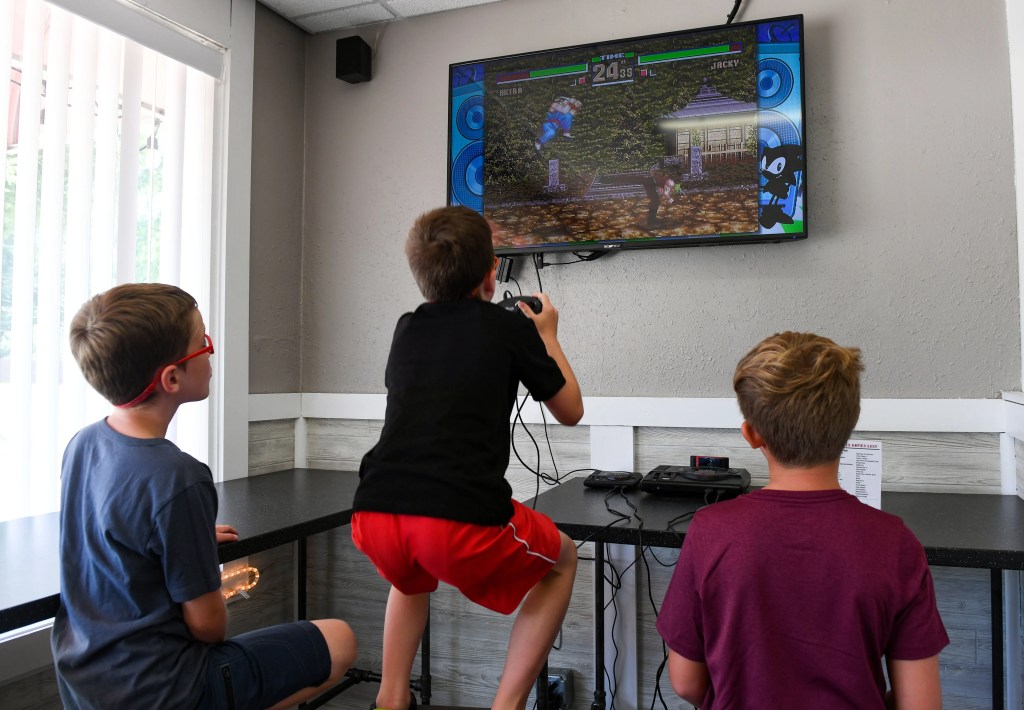
Boomers are having a challenging time understanding “gamers” and their endless obsession with electronic video games. For example – it is time for the family meal table and you’re wondering where your child is. “Be there in a minute…” while they finish up a gaming tournament with their friends – yet the game never seems to end. Before they can come to the table, they wrapped up in a new game. In my day, we would have gone without dinner.
There was no “in a minute…”
It’s time to head off on a family vacation and there’s that half-hour wait while kids gather up video gaming equipment to load into the SUV to have at the camp site along with stacks of battery packs and headsets to keep them from losing their minds while on vacation. Can’t be without their video games and communication devices.
And forget conversation – which is always peppered with the word “Huh?” – if you even get that.
There is abundant concern these days over the obsession we collectively have with electronic devices – particularly video games and cell phones. You see it addressed all the time on talk shows and in the news. Studies have been conducted on what this is doing to society and our minds. For such a connected world – we are so disconnected. I see this in restaurants and public venues all the time. The couple texting one another or gaming while sitting across a table.
Are you kidding me?
This isn’t just about a child’s obsession with video games and cell phones, it is about a nation of cell phone “zombies” who are constantly walking into walls, light poles, and mall fountains while glaring at a phone trying to kill zombies. It can be considered a form of mental illness and emotional dependency.
We just can’t cope without our dope.
Wikipedia defines a “gamer” as “a proactive hobbyist who plays interactive games, especially video games, tabletop role-playing games, and skill-based card games, and who plays for usually long periods of time.” That would be my 14 year-old son. It goes on to say, “Some gamers are competitive, meaning they routinely compete in some games for money, prizes, awards or the mere pleasure of competition and overcoming obstacles.”
That would describe my preoccupied teen as well…
Wikipedia goes on to say, “Originally a hobby, gaming has evolved into a profession for some (those who create video games). In 2021, there were an estimated 3.24 billion gamers across the globe.” Forget it, the battle is lost. You’re never going to be able to pull your offspring away from gaming.
The word “gamer” isn’t new. This oft used word dates back to at least 1422, when the local laws of Walsall, England referred to a gamer as “any dice-player, carder, tennis player, or other unlawful gamer”, according to Wikipedia. More recently, this word has been used to describe those who participate in the playing of video games for sport and competition. This annoying trend (for those of us who don’t participate) began as electronic war games that have evolved into an endless array of challenging video games one can play with others or by themselves for hours on end.
If you paint the gaming obsession with a broad brush, is it really any different than the games we played as children? We played kickball and other games in the street for hours on end. We’d ride our bikes all over the neighborhood. Dinnertime would roll around and you’d hear parents yelling for their kids to come home. We had a neighbor with a dinner bell intended to round up the brood of eight children at mealtime. One gentleman down the street from us would crack a whistle with his front teeth across his tongue and lips you could hear a block away. My friends knew they’d better be front and center upon hearing the whistle or else. The former US Marine didn’t need a bell.
Our childhood obsessions with sports, bike riding, running and playing isn’t much different than what we are seeing in children today. The way they get together and entertain themselves has changed. And imagine if we would have had video games to entertain ourselves in the 1960s…. Would we be any different than kids today?
Boomers are likely the last generation to remember the aroma of a hot cup of coffee and a freshly lit cigarette. I live in California where smoking has been banned to an off-shore island or Las Vegas some four-hours away. The dated smell of a burning cigarette is so rare that it makes people say, “Who’s smoking?! Louise…do you smell that?”
This phenomenon comes from childhood memories of a frosty morning, freshly brewed Maxwell House coffee, a freshly lit cigarette, and the ol’ man sipping a cup of black coffee. To capture this authentic aroma, the cigarette must be just lit with a match (the sulfur in the match is important to this formula) and the coffee must be brewed in an old-fashioned percolator or on a hot stove. It must also be cold outside along with the ambiance of a freshly fired gas furnace.
The ultimate combination, of course, is the cigarette, coffee, and that first furnace firing of the winter where all the dust accumulated on the combustors over the summer begins to burn off and fill the house with the warm and cozy anticipation of the holidays around the corner.
Isn’t it remarkable what our sense of smell does to memories? Rubbing alcohol triggers memories of those polio boosters and the sting of a quick shot in the butt. The sweet aroma of clover and honeysuckle in spring. Stinky diesel fumes remind us of taking a city bus downtown. Unburned exhaust hydrocarbons from cold carbureted engines takes us back to those frosty mornings.
For me personally, I could do without ever picking up the scent of Wind Song perfume ever again along with my mother’s body chemistry. My mother wore Wind Song and it reminds me of being car sick and her holding the barf pan. Some memories are best forgotten.
How about the dense aroma of a library with hundreds of thousands of books and periodicals? And, who can forget the heavy smell of a bar, pool room, or bowling alley? Bowling alleys always possessed the smell of lane conditioner, cigarettes, and spilled beer. School buildings deliver a smell, even today, that reminds me of what a lousy student I was a half century ago.
Yes…seriously…
Autumn, of course, is a personal favorite with the sweet aroma of woodsmoke and fireplaces burning all over the community. It was a smell that began to arrive around Halloween. As neighbors raked leaves and burned them, it only added to the magic of fall.
As I write this, I am reminded of the need to buy a fresh can of deodorant – I need a shower.
This is the gorilla in the bedroom no one wants to talk about – especially men. It is time to address aging and why it doesn’t have to be so rough. The “sum gain…” day trader game of the 1980s has evolved into the “lucky if there’s no net loss…” of the new Millennium – which, by the way, isn’t so new anymore. Y2K is long over.
We are 23 years into the 21st century wondering what happened. I will tell you what happened – the passage of time… With time has come the natural aging process boomers like to deny is happening. Blame it on genetics. Pass it along to your kids and grandkids. We begin aging from the time we are born. It is said we peak somewhere in our twenties – then – the slow decline toward “old” begins unless you are taking really good care of yourself. We are big on talking about it – but not very effective at managing it.
The news isn’t all bad. With our advancing years comes a treasure trove of wisdom – that is if we’re wise enough to use it.
I see these commercials promoting “age defying” makeup and other anti-aging, memory improvement products and I break into laughter. I’ve been 30 and I’ve been 67 and 30 was better – kind of… At 67, I’m not what I was by any means. My joints hurt. Tendinitis generates its share of pain in regions where I’ve never had pain before. My “where are my glasses?” moments kicked into high gear at 65. I suffer from “profound” hearing loss from my years as an automotive writer and aircraft technician. Lots of noise in both professions.
I suspect because boomers craved those loud concerts in our youth as well as drag racing on Saturday nights, a whole lot of you suffer from hearing loss and the horrible ringing of tinnitus – especially when the room is dead quiet and you’re longing for any kind of noise.
Despite these woes, I seek to find the good in all of it. For one thing, at 60+ you’re no longer chasing the corporate ladder and feel confident of your own observations. You feel less inclined to ask others for their opinion. In fact, you stop giving a damn what others think and start relying on your own time-proven judgment. Be prepared to make stupid mistakes. You’ve been making them all of your life. I’d like to think I have learned from them and can impart this wisdom to those who are younger who may learn from my experiences.
Share this knowledge and feel good about it.
There is a wealth of good fortune to be had in old age. We just have to cultivate it. Your younger counterparts generally come to you for advice instead of their younger associates. They look to your wisdom instead of the inexperienced.
At 60+, we are less tolerant of trivial BS than we used to be – yet more accepting of things as they are. It is what it is…
In old age, I’ve come to understand the only person I can hope to change is myself instead of the frustration of trying to change others. I’ve cultivated empathy for others – which comes from experiences along the way and watching what happens to others. In our advancing years, it becomes easier to put your arm around someone who is troubled. It feels good to reach out and care for another. It is good for them and even more important for you. You’re inclined to be a better caregiver than you used to be because you understand what it’s like to be dependent on others.
Because we are the “Sexual Revolution” generation (we still believe we invented sex), we begin to wonder what happened to our sexual libido, which begins to fade as we grow older. Older couples in healthy relationships are learning sex doesn’t have to end at 60. I’ve known couples who’ve been sexually active well into their seventies. There’s the rare exception where couples are still going at it well into their eighties. And no matter how old you become; your mental libido can remain quite strong. Visit any bar, park bench, or country club and you will find men who still have “it” upstairs. The challenge is what isn’t happening downstairs.
Sexual libido varies significantly from one person to the next. Men and women alike both go through some form of menopause. Women experience the change of life to where intercourse becomes uncomfortable. Men lose the ability to maintain an erection. This varies from person to person depending on a preferences and circumstances. Libido is also affected by unending medical conditions, hormone levels, medications, your lifestyle, and relationship health. What happens outside the bedroom affects what happens in the bedroom.
Couples who have had a enduring healthy relationship to begin with have found good healthy sex doesn’t have to mean sexual intercourse. They find there’s excitement to be found in touch, kissing, oral sex, and “the tease…” Ambiance and atmosphere are everything in intimacy. The best intimacy comes from a nice evening out over dinner, flirting with one another over good food and drink, and the slow ride home. Slow down and take your time.
Make not hurry…it’s going to be good when you get there.
Older couples have come to find they like to quietly reflect and remember what it was like to be young – especially for those of you who’ve been together a lifetime. Mentally take your bride to the senior prom again. Remember what it was like to look at your handsome stud muffin in a tux. Reflect upon that first night in a hotel room or your parent’s guest room having a glorious time with your pants down and your bra off.
Loosen up, let your guard down, and worship one another. It is easy if you try – and forget about that stupid argument you had this morning.










 Boomer Journey...