It has been coming all of our lives.
Retirement…
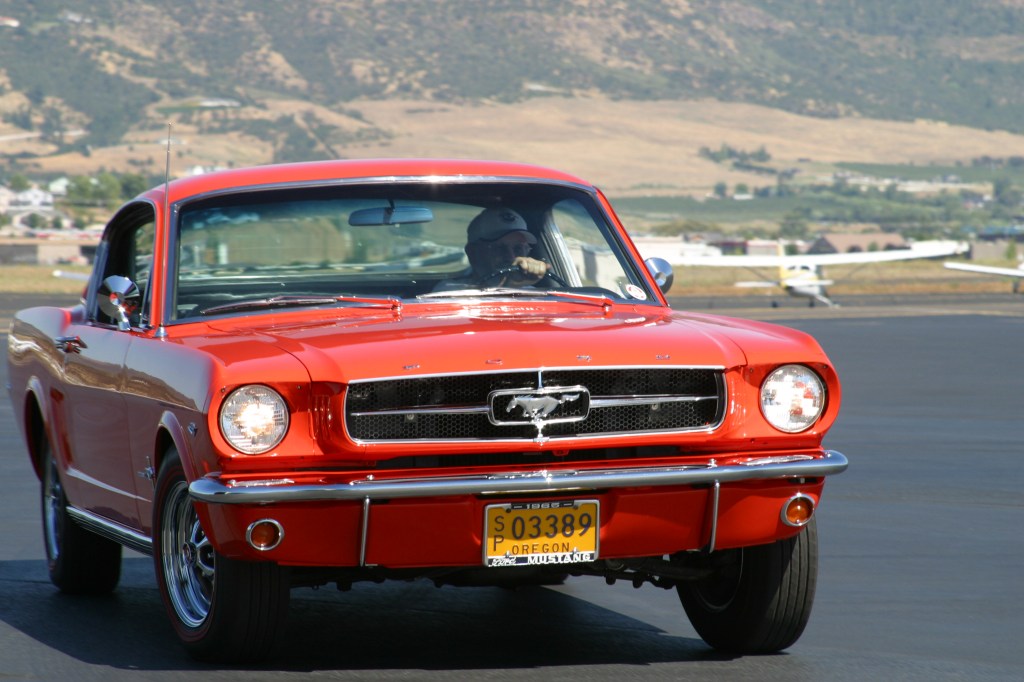
Oh my – how we’ve longed for it. No more ugly commutes and temperamental bosses – just peace and quiet. Doing what we want when we want. Time to prop up our feet; watch Jerry, Maury, and Dr. Phil; snack when the mood hits, vacations, fishing trips with the buddies, cruisin’ the drag in our dream car on a Friday night, hanging out with the young bucks at Big Boy and Sonic, camping with the family, and sleeping in on a Sunday morning without a care in the world.
Sounds intriguing now doesn’t it?
Then – how come we’re lying awake in the night wondering what to do with our time in the daylight hours? We begin to hate the sunrise. It becomes so bad we cannot sleep and wind up sitting in front of the PC while those around us are sleeping.
Does this chatter resemble your life?
Is retirement all it is cracked up to be? Funny thing about retirement…leisure time…goofing off…all that stuff we were looking forward to. It isn’t what we thought it would be. Most of us need purpose throughout our lives no matter how old we become. We need a reason for being.
So what about that?
Retirement should mean a new journey. Renewed purpose.

I’ve been an automotive writer for over 40 years and I’ve had a darned good time doing so. Retirement has never been a part of my plan because I’ve had a ball as a writer. As you might imagine, print media – the humble magazine and book titles – have declined in readership and all-important advertising dollars to where thousands of magazines are gone now – upended by the internet. That thrust countless numbers of automotive journalists into retirement.
So what to do when your chosen career field has dried up and you’re looking for something to keep yourself off the streets. It isn’t just about living off Social Security and other forms of retirement income. It is also about purpose. Purpose is what keeps us going. It’s what keeps us alive.
Purpose can be volunteer work, taking care of the grandbabies, home improvement, restoring an old car or truck, landscaping and gardening, teaching young people how to survive and thrive, teaching a trade, and even continuing in your line of work as a consultant.
Because employers are having a tough time securing young people who will show up and stay the course without expecting outrageous salaries, retired boomers become an excellent value. We show up. We stay. We understand work ethic.
What about you?