Can anyone explain to me why we’ve become such a hypersensitive society of chronic crybabies? Political correctness is on steroids – with everyone getting their noses jacked out of joint over virtually everything.
We’ve become a society of professional victims.
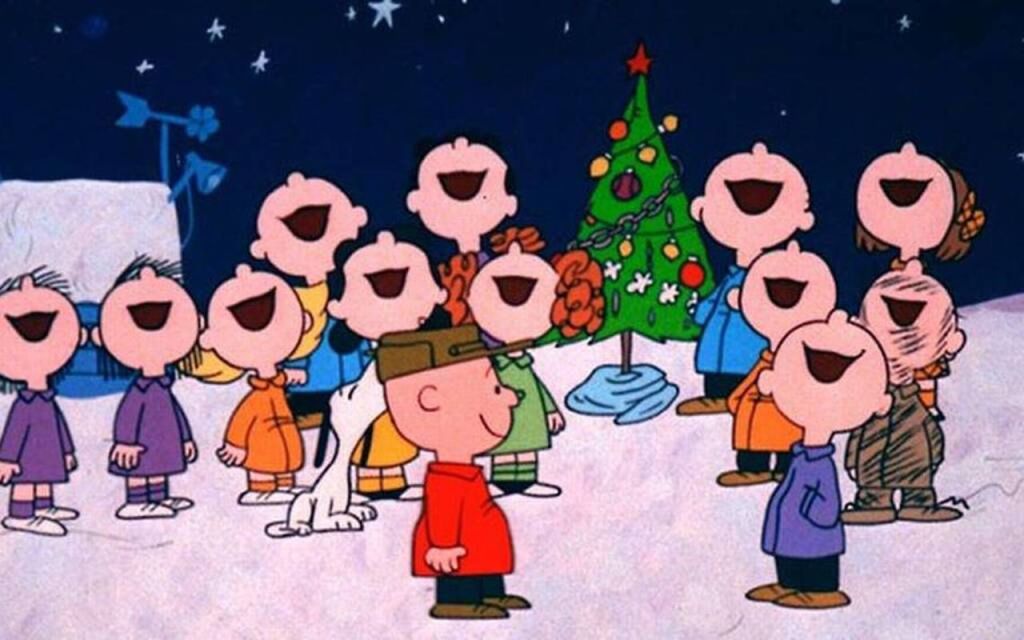
Think of all the things that have become banned because they offend certain segments of the population. Television programs banned because they offend people. Even the heart felt “A Charlie Brown Christmas” Peanuts holiday special where some want to eliminate Linus’ “That’s what Christmas is all about, Charlie Brown…” speech that still brings the masses to tears nearly 60 years later. How ridiculous is this?! The name of this holiday special is “A Charlie Brown Christmas…” and there are those who want to ban this speech. Go bury your head in a pillow and turn the TV off. I was 9 years old when Charlie Brown originally aired, and it remains a “feel good” special to see on the holidays. Don’t you dare even mess with it.
Things have become so ridiculous to where Tinker Bell has been virtually banned by the Disney company. Since when did a make-believe cartoon character become offensive enough to be banned? What next? Banning Mickey Mouse because he offends rodent lovers? Walt Disney is spinning in his grave. The Wonderful World of Disney – the magic – should never waver. Why? Because children aren’t offended by Tinker Bell nor any other Disney character. The is neurotic adulthood nuttiness. The magic of Disney is all about children now isn’t it? Leave it to attention starved adults, who need to grow up, to be offended. Idiotic adults with an axe to grind. Nosy, busy body “Karens” with nothing better to do.
Go mind your own business and leave the rest of us alone.
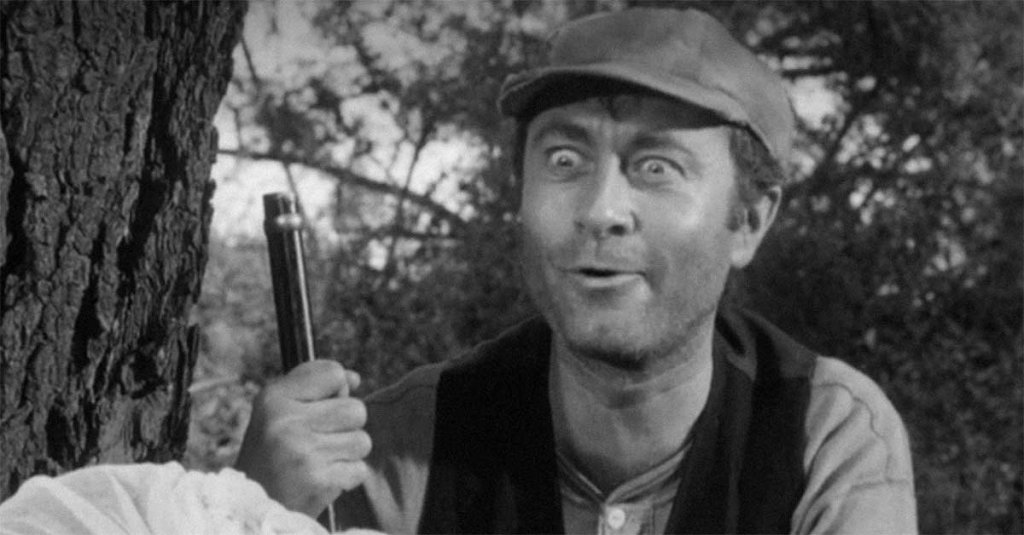
How many of us have laughed hysterically at the antics of Ernest T. Bass (actor Howard Morris) in Andy Griffith? Andy Griffith poked fun and humor at rural life and the interesting characters who popped up throughout this classic comedy. The Darlings. Floyd the barber. Barney. The fun girls from Mount Pilot. In those days, America knew how to laugh at itself and our many cultures. You didn’t hear Appalachia getting bent out of shape, demanding it be banned from television.
I think we need to reach down deep inside and find the sense of humor we used to have – the keen ability to laugh at ourselves and enjoy living.