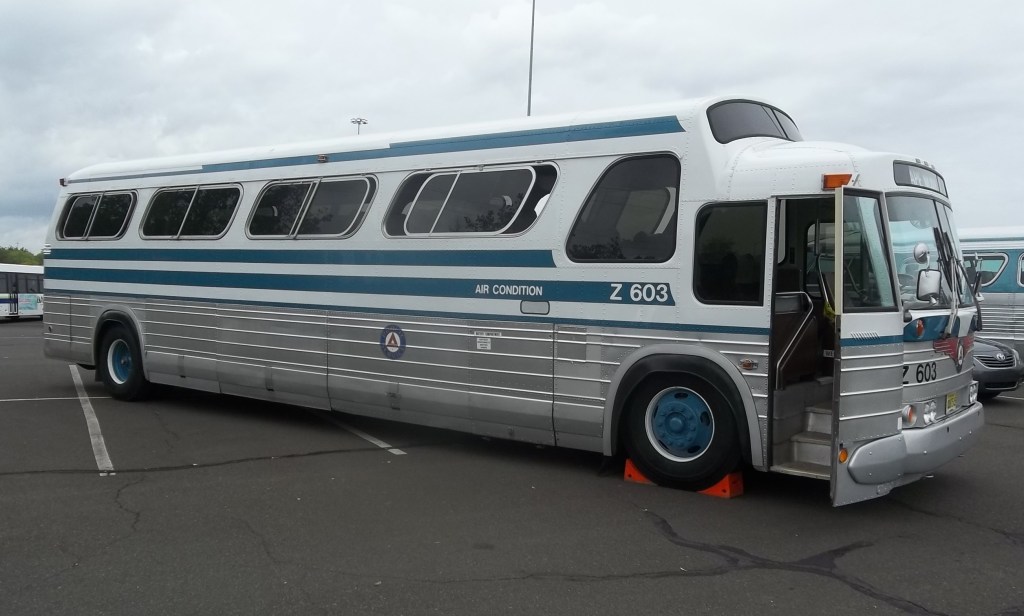
Before this age of affordable high-altitude 600 mph transportation – there was “the bus…” I imagine most of you remember the era. Flying was for those who could afford it. Before airline deregulation in the late 1970s, air travel was expensive and exclusively for the affluent and business travelers. We’ve all witnessed the business traveler clad in a suit and tie running through an airport to an awaiting gate or families all dressed up with somewhere to go.
I don’t think the humble bus gets enough credit for getting us around. When we were kids, school busses in all their forms grabbed us from the corner bus stop and hauled us to school a short distance away. When we came of age and couldn’t afford a car, city and regional busses got us around the metropolis. These are the busses we remember most because they were everywhere.
If you were traveling hundreds of miles away to see the aunt you never wanted to see in the first place, you hopped on one of those road-going coaches – Greyhound or Trailways – and dozed through the ride for hours to see Aunt Milred. Wally and the Beave’ would catch the bus from Mayfield to spend time with Aunt Martha, who was annoying by nature for a kid, in Belport.
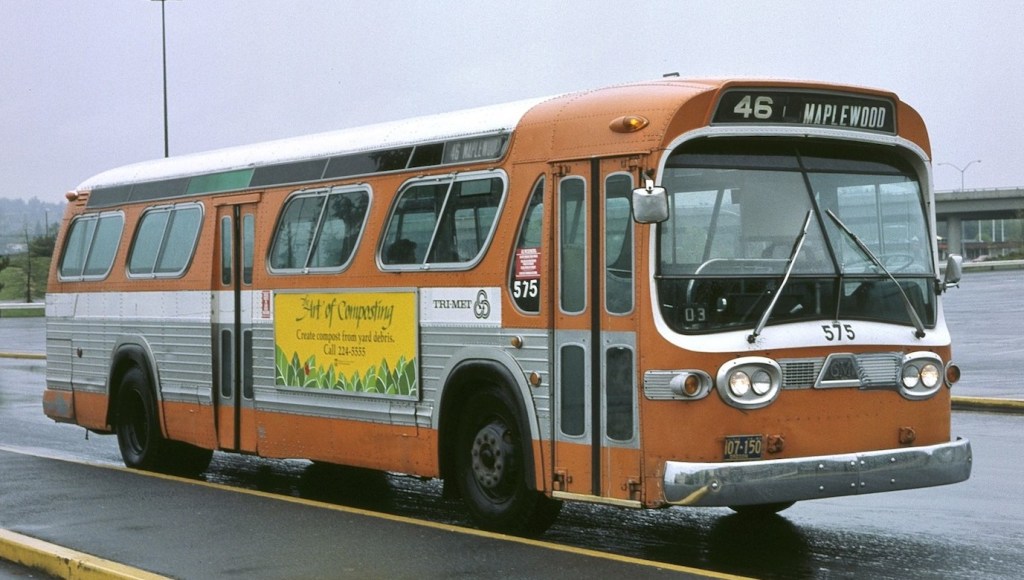
GMC’s “New Look” (known as the “Fishbowl”) was the most common transit bus introduced in 1959 and produced in both the U.S. and Canada with more than 44,000 of them built. Well known for its curved six-piece windshield and twin-set headlights, it became an iconic workhorse in cities all across North America for decades before they began to fade away in the 1970s.
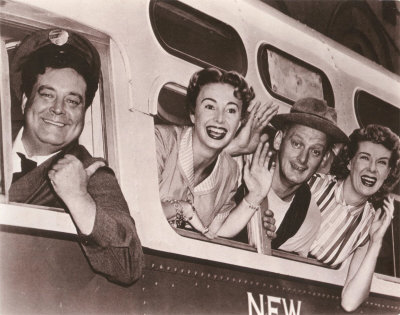
The most oft seen transit bus has been GMC’s “New Look” bus built in all its forms beginning in 1959. It was seen and heard for decades in every metropolitan area in the nation. Those classic “bread loaf” Ralph Kramden (Jackie Gleason) busses GMC called the “Old Look” busses introduced in 1940 delivered the same screaming, smoky Detroit 6-71 two-stroke diesel roar every time they left a bus stop. That same sound was carried over to the “New Look” busses that arrived with the 1960s.
They were gross polluters.
These smoky beasts gave everyone a headache wherever they traveled. If you were behind one in traffic, it became unbearable. I recall being car sick in the back seat and throwing up to both the sound and the aroma of diesel fumes along with my mother’s sickening Wing Song perfume.
I find it ironic these New Look busses were so aerodynamic yet never traveled any faster than 30 mph throughout the city. The same can be said for the “Old Look” bread loafs. Most of these GMCs had Allison automatic transmissions designed specifically for busses. Cruising around the city, with the driver on and off the throttle while their automatics struggled to navigate the gears.
Those first “New Look” busses were delivered to my hometown bus line – D.C. Transit – which later became WMATA – today Metrobus. I remember when my mother used to catch D.C. Transit daily from Arlington to downtown Washington for work as a bank teller before returning home in the evening. Tough times and utter exhaustion for my mother in those days. We didn’t have a car.
The GMC “New Look” became a celebrity in the 1994 action/adventure movie “Speed” where a bomb was placed on a Santa Monica Transit bus and the passengers were held for ransom. The bus had to stay above 50 mph to prevent the bomb from detonating. The trick was keeping this bus above 50 within the city. Not sure how many New Look busses were destroyed during the filming. However, this flick made the New Look famous. I didn’t know these busses could reach 50.
GMC produced its last New Look bus in 1977 when production changed to the RTS series. As federal emissions standards have gotten tougher, these Detroit Diesel powered busses have slipped away in favor or CNG and electrics.
I place the more luxurious motor coaches in higher esteem for long distance travel because they deliver a way smoother quieter ride than their ancestors. When you’re sitting in a Boeing 737 with your knees up against the seat in front of you, the appeal of a bus side becomes greater because, for one thing, legroom is better. What’s more, you arrive at a bus terminal closer to Aunt Milred’s than the airport.

